Breather Ceasefire

In 1953, an armistice agreement was signed ending the fighting on the Korean Peninsula, but it did not officially end the war to this day. Although 70 years have passed, it only stopped the fire and established a demilitarized zone; it did not address the core dispute nor create a real peace. Instead, it postponed the war, and the situation remains unchanged to this day.
This is an indicator confirming that in politics, not every ceasefire is the beginning of peace, and a cessation of hostilities does not mean the end of conflict. Rather, peace begins when everyone feels mutual trust. History provides many examples: many wars do not end with a ceasefire, but when one side becomes convinced that the cost of confrontation outweighs its gains. Then trust-building begins to achieve peace. Otherwise, it remains a maneuver and a breather ceasefire, during which each side reorganizes its cards in preparation for the next round.
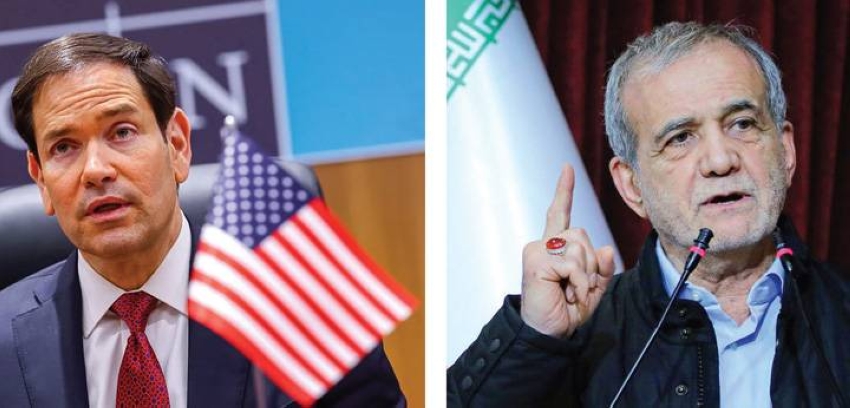
Therefore, many view the memorandum of understanding signed between the United States and Iran not as an announcement of the end of confrontation, but rather as a ceasefire imposed by circumstances following a war from which Tehran emerged heavily laden with losses, most notably the loss of top leadership, including Supreme Leader Ali Khamenei, in addition to human casualties, damage to infrastructure and nuclear facilities, and an economy struggling under painful international sanctions. Thus, Iran’s need for time outweighed its need for an agreement; it sought a ceasefire not because it abandoned its project, but because it wanted to salvage what could be saved. Meanwhile, the other side viewed the ceasefire as a phase to build trust with the Iranian side.
The weeks following the signing quickly revealed that Tehran had not changed its behavior, and that the agreement did not change the nature of the regime so much as it changed the rhythm of confrontation. This was evident during the official funeral of Supreme Leader Ali Khamenei; the funeral was not an occasion to ease tensions or send reassuring messages, but turned into a political platform that reproduced the same revolutionary discourse. Chants called for revenge, banners targeted the United States, and the official rhetoric remained captive to the vocabulary of confrontation. This is a message affirming that the ruling establishment in Tehran does not see the ceasefire as a strategic shift, but as a temporary station in a conflict it considers long-term.
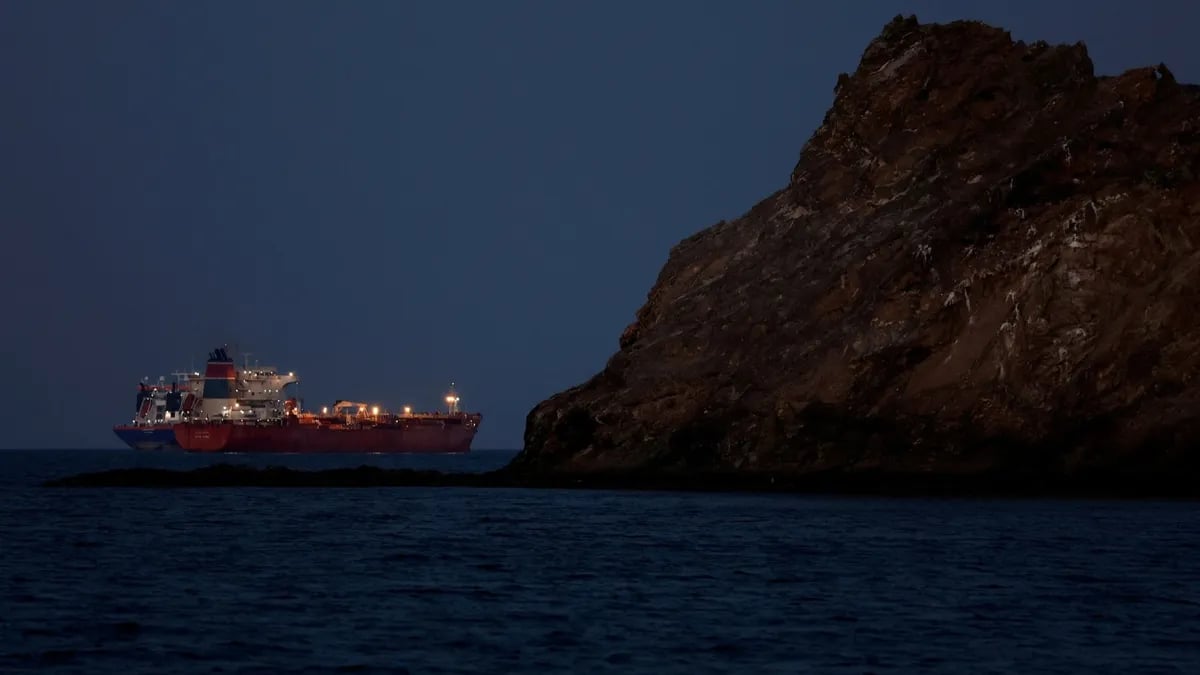
Moreover, the targeting of commercial ships in the Arabian Gulf is among the escalatory tools Iran uses to harm the global economy in order to pressure Washington. Subsequently came the Iranian threat to close the Bab el-Mandeb Strait, knowing the importance of waterways on the global economy, as it did with the Strait of Hormuz. It was no coincidence that Houthi threats to target airports and vital facilities in Saudi Arabia and to threaten maritime navigation in the Arabian Sea resurfaced, followed by the interception of a ship coming from Iran carrying weapons and ammunition destined for the Houthis. This indicates that Iran wants to transfer the Strait of Hormuz experience to Bab el-Mandeb. Also, the resumption of the airline route from Tehran to Sanaa, without regard for any international considerations, is a message that Iranian influence in the region was not up for negotiation, and that Tehran’s regional tools remain part of the bargaining equation.
Iran never stopped targeting its Arab neighbors after the ceasefire. Instead, Iranian behavior remained based on expanding influence rather than building trust and partnerships. The targeting of Saudi Arabia, Gulf states, Jordan, and Syria with drones and missiles continued, because Tehran does not view neighboring countries as neighbors and partners, but rather as spheres of influence. Therefore, talk of building trust with the Iranian regime remains of limited utility as long as its political and security doctrine is based on exporting influence before respecting the sovereignty of states.
Therefore, the resumption of US strikes was not surprising, because the causes of the crisis remained unchanged. The ceasefire addressed some tactical files, but left the core of the dispute pending: the nuclear program, missiles, regional influence, and the network of proxies. When you postpone the root problem, you do not establish peace; you only postpone the next crisis.
As quoted from Asharq Al-Awsat
Advertorial
Advertorial
Disclaimer: All published articles represent the views of their authors only.
Original source: Al Arabiya


Comments (0)
Be the first to comment.