Hezbollah Parliamentary Bloc Criticizes Results of Lebanese President Joseph Aoun's Recent Visit to Washington
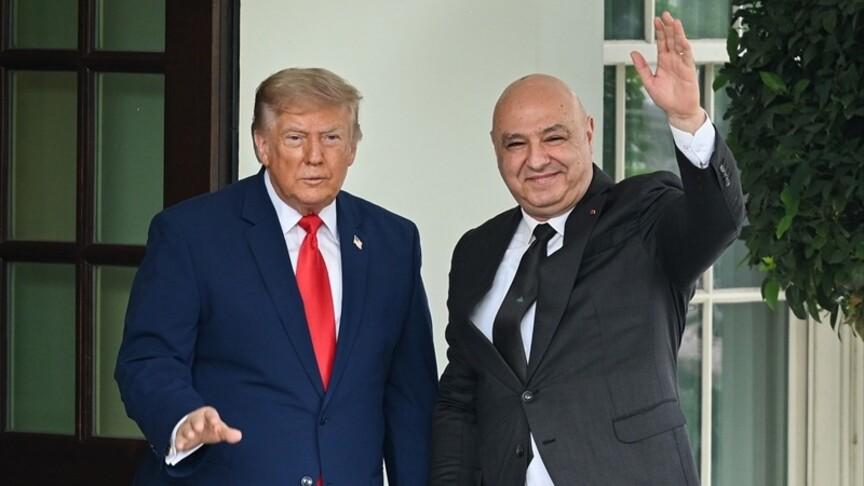
Hezbollah issued a critical stance on the results of Lebanese President Joseph Aoun's visit to the United States, stating that it did not produce an American commitment to Israel's withdrawal from Lebanese territory.
BEIRUT / Naim Berjawi / Anadolu
These developments come amid ongoing discussions about defense strategies and state sovereignty over all Lebanese territories.
Hezbollah criticized, on Thursday, the visit of Lebanese President Joseph Aoun to the United States, saying it did not yield an 'American commitment' to Israel's withdrawal from the Arab country.
This critical stance came in an official statement issued by the party's parliamentary bloc following its regular meeting chaired by MP Mohammad Raad.
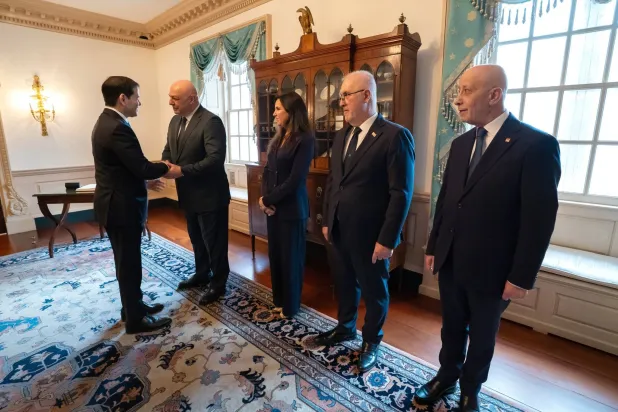
The Lebanese president concluded on Wednesday evening a four-day working visit to the United States, which included talks with US President Donald Trump.
According to observers, Aoun's visit carried a set of files, most notably the implementation of the framework agreement with Israel, based on the withdrawal of Israeli forces from areas still present in southern Lebanon, strengthening the deployment of the Lebanese army, in return for the military institution receiving US political and military support.
The party's bloc claimed that 'the visit failed to achieve the minimum national sovereign demand, as it did not yield an American commitment to the withdrawal of the enemy (Israel) from our land, did not stop the killings, bombings, and bulldozing that this enemy continues to perpetrate against our people, did not provide a safe return for the displaced, nor a start to reconstruction.'
It pointed out that 'the priority is the complete withdrawal of the occupation army from our occupied land, and any approach to the resistance's weapons will be after the withdrawal of the enemy, based on national consensus, within the framework of a national security strategy.'
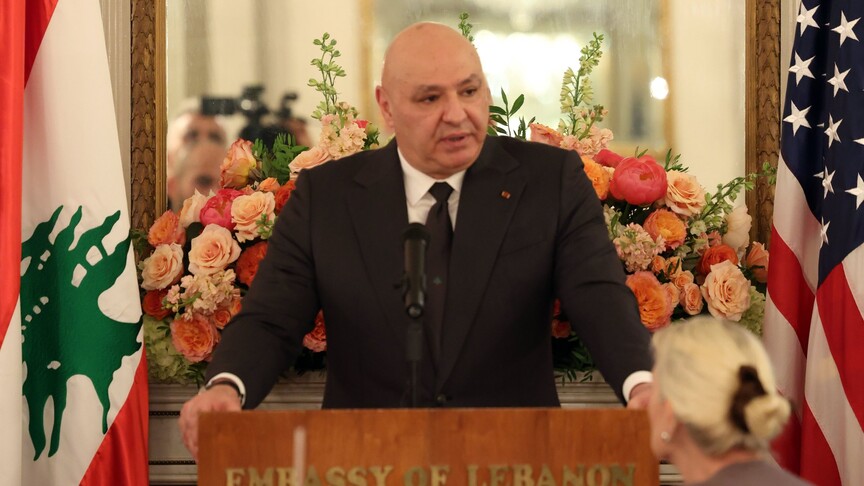
Meanwhile, no immediate comment was issued by official authorities in response to the party's statement, noting that Aoun had on Tuesday set three conditions for discussing the issue of Hezbollah's weapons, foremost of which is ending the Israeli presence in the south.
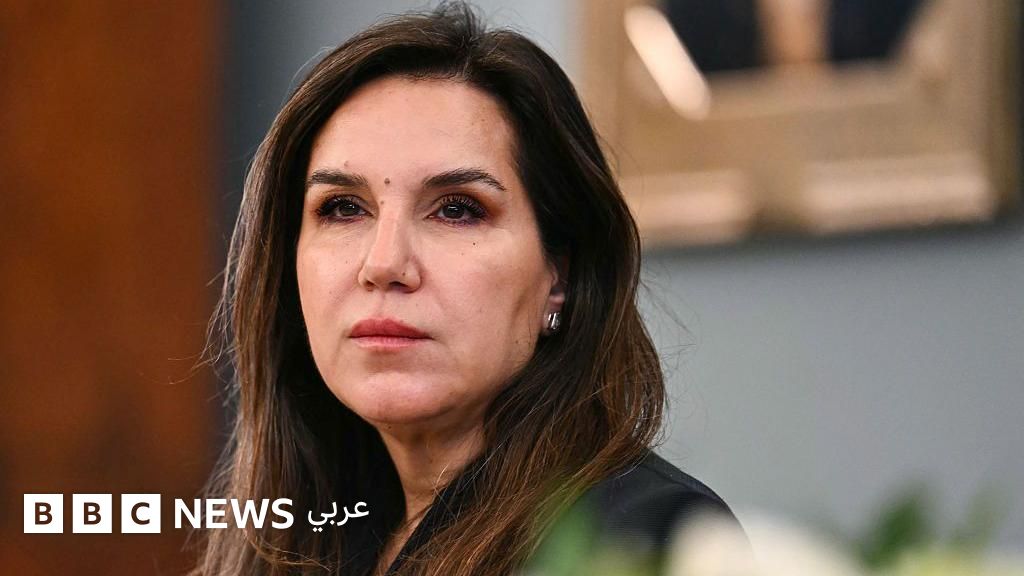
During a dinner hosted by Beirut's ambassador to Washington, Nada Muawwad, on Tuesday evening in Washington, Aoun linked the disarmament of Hezbollah to 'removing the (Israeli) occupation, the Lebanese army assuming full control, and a reconstruction program run solely by the state,' according to a statement from the Lebanese presidency on Wednesday.
The Lebanese government is implementing a program to confine weapons, including Hezbollah's weapons, to the state, but the party clings to its weapons and emphasizes that it is a 'resistance movement against the Israeli occupation.'
Israel occupies areas in southern Lebanon, some for decades, and others since the previous war between 2023 and 2024, while it advanced more than 10 kilometers during the current aggression.
Since March 2, Israel has been waging an aggression on Lebanon, resulting in 4,329 dead and 12,233 wounded, in addition to more than one million displaced, according to the Lebanese Ministry of Health.
These positions reflect the extent of the political and sovereign division over the files of borders, disarmament, and reconstruction in Lebanon. The relationship between official institutions and armed factions remains the focus of widespread attention both locally and internationally. These files are also closely linked to regional and international understandings regarding stability and security in southern Lebanon. Coordination with major capitals, foremost Washington, remains a key element in the current political and security negotiation path.
Original source: Anadolu Agency


Comments (0)
Be the first to comment.