Hegseth: Cost of war against Iran reached $37.5 billion, and we do not rule out Tehran possessing hidden capabilities
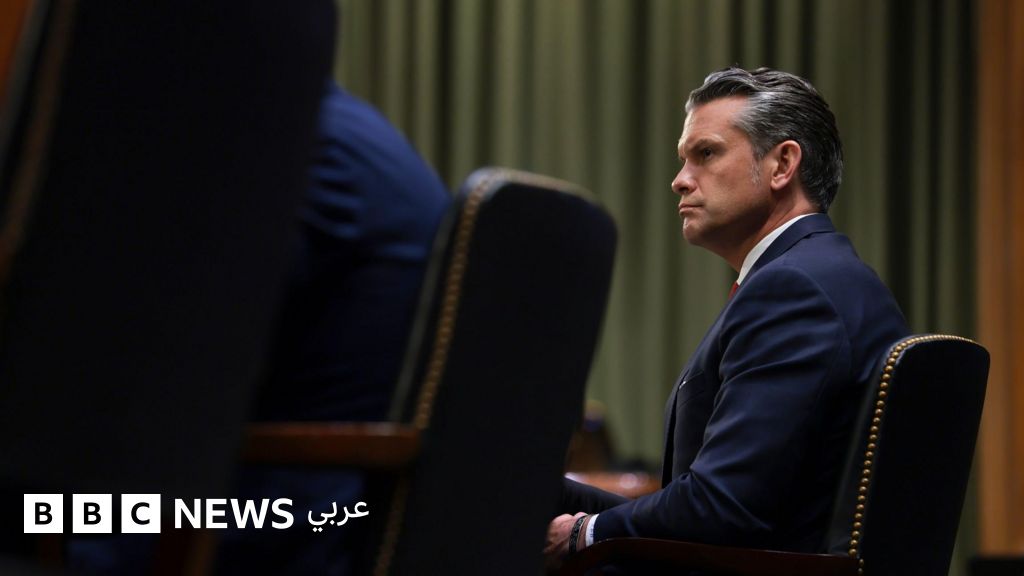
Hegseth announces that the cost of the war against Iran has reached $37.5 billion, amid Democratic criticism of its goals and outcomes.
Hegseth: Cost of war against Iran reached $37.5 billion, and we do not rule out Tehran possessing hidden capabilities
Published one minute ago
Reading time: 5 minutes
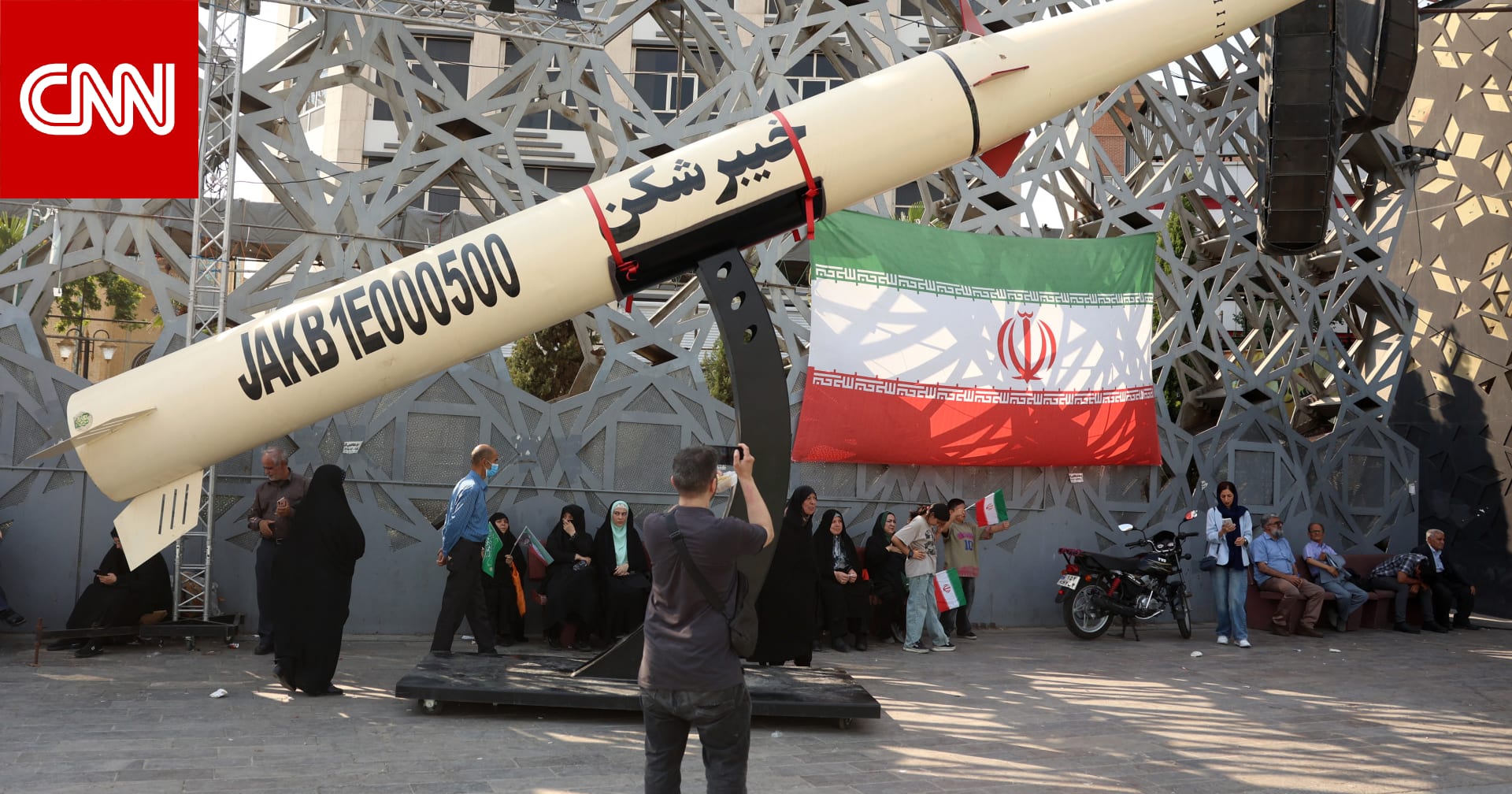
U.S. Defense Secretary Pete Hegseth said the war against Iran has cost the United States about $37.5 billion since it broke out in late February, as President Donald Trump's administration faced criticism in the Senate over the absence of what Democrats described as a "realistic outcome" of the war.
During a hearing before the Senate Appropriations Committee, Hegseth said Trump deserves praise "for his courage in ensuring that extremist Islamists do not possess a nuclear weapon."
But Democratic Senator Jack Reed responded by asking: "Should he be praised for starting a war without authorization, and creating a situation where the global economy is suffering severely?" adding: "We don't have a result, or at least no realistic outcome in sight."
Reed also asked Joint Chiefs of Staff Chairman General Dan Caine whether the U.S. military expects operations to escalate to ground combat.
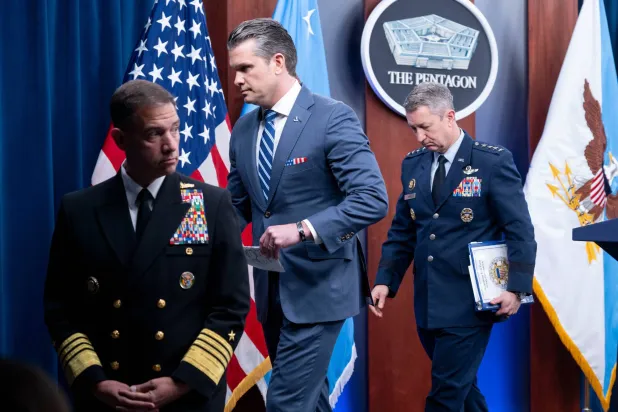
Caine refrained from delving into that possibility, saying it would not be helpful to comment on hypotheses, but he stressed that the military constantly develops a large number of options.
Increase of about $8 billion
Hegseth's announcement of the war's cost came in response to a question from Democratic Senator Dick Durbin, in the first new official estimate from the Pentagon since May.
The figure represents an increase of about $8.5 billion compared to the last estimate announced by the Defense Department on May 12, when it said the war cost had reached $29 billion. The Pentagon had told lawmakers that the first week of operations alone cost about $11.3 billion.
Hegseth clarified that part of the announced amount covers the continuation of operations until September, while the administration is requesting additional funding to continue the war and replenish weapons and ammunition stockpiles.
Skip most read and continue reading
Princess Leonor at the forefront of 2026 World Cup celebrations... Who is the Spanish heir to the throne?
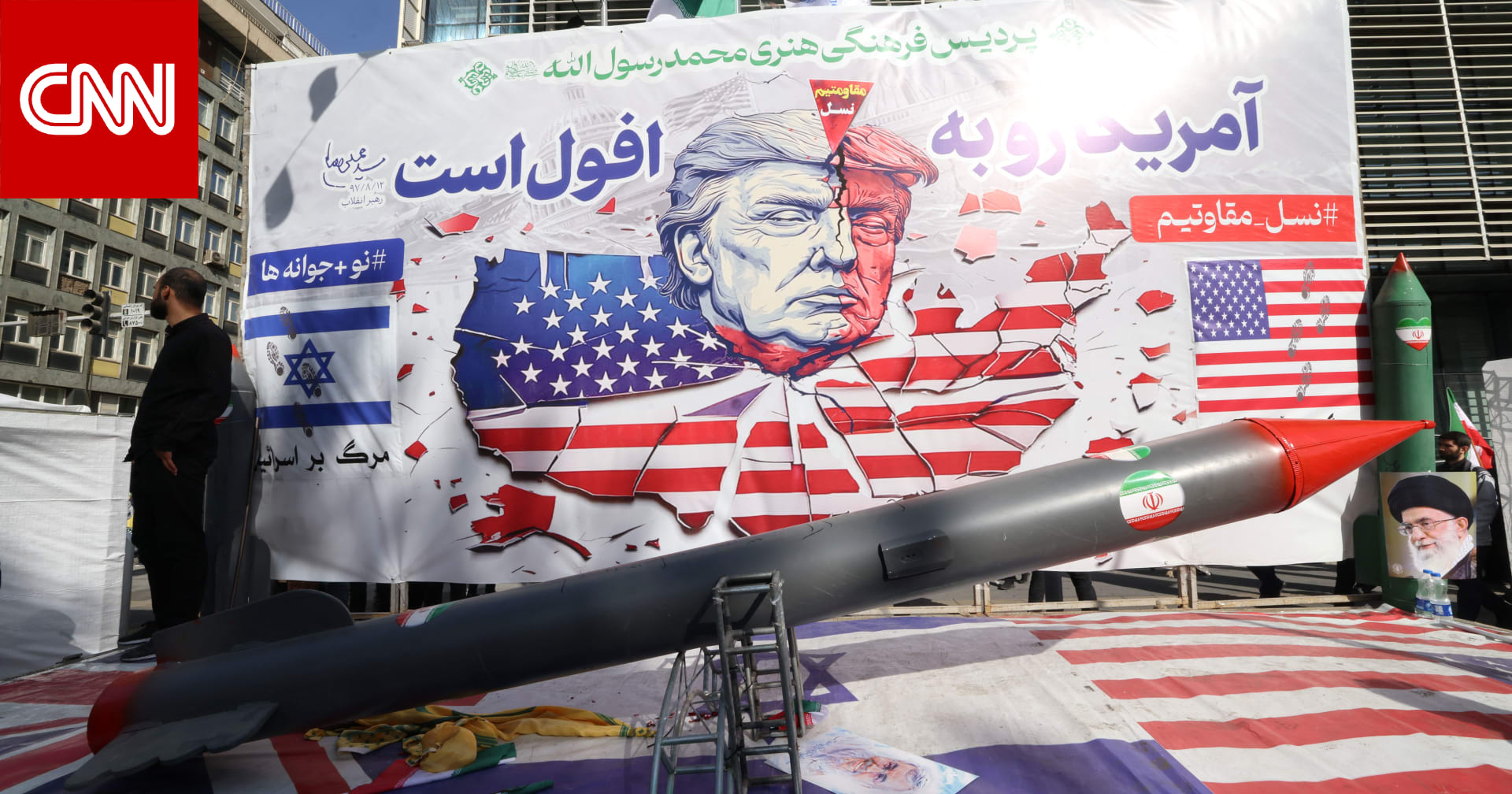
Trump threatens to strike area near Natanz nuclear facility, Iran launches attacks on Kuwait, Bahrain, and Jordan
The other World Cup winner... Lamine Yamal's little brother who captivated the internet
Trump imposes new 50 percent tariffs on Canadian exports in 'dangerous' escalation of tensions between the neighbors
Image caption: Caine refrained from elaborating on possibilities of escalation of operations in Iran
Request for $87.6 billion
The White House has asked Congress to approve an additional funding package worth $87.6 billion, mostly to meet what it described as 'urgent needs' related to the war.
Of the total amount, $67 billion will be allocated to the Defense Department, including $21 billion to replenish ammunition stockpiles, $17.3 billion for operational expenses, and $12.1 billion for classified programs.
The request also includes about $300 million to enhance security of U.S. embassies and diplomatic facilities in the Middle East and South Asia, after some were attacked during the war.
The rest of the package includes $11 billion to support American farmers, amid rising fuel and fertilizer prices due to the war, and $1.4 billion to combat the Ebola outbreak in Central Africa.
Hegseth said the funds will be used to enhance the 'lethality of U.S. forces' and cement what he called 'peace through strength.'
He warned that failure to approve the funding could lead to reduced military training and threaten the department's ability to pay soldiers' salaries, replace equipment and ammunition, and continue operations without interruption.
Hegseth acknowledges Iran's continued capabilities
The defense secretary faced questions about Iran's continued firing of missiles at U.S. interests, despite the administration's assertion that it had inflicted significant damage on Tehran's capabilities.
The top Democrat on the committee, Patty Murray, said the funding request is 'largely unreasonable,' and asked how the administration can claim it has destroyed Iran's capabilities while Tehran continues to target American assets.
Hegseth replied that U.S. strikes have put Iran in 'its worst state ever,' but acknowledged that Tehran still retains military capabilities, including some hidden underground.
He said: 'We destroyed some of their capabilities, but the regime hid some underground,' adding: 'I will concede they still have capabilities, no doubt about it.'
'No grand plan on Iran' - article in the Financial Times
How did the United States celebrate the 250th anniversary of its independence?
Image caption: Top Democrat Patty Murray: Funding request 'largely unreasonable'
Accusations of bypassing congressional procedures
Murray accused the Trump administration of trying to use emergency funding designation to bypass regular appropriations procedures in Congress, noting that the package includes expenses not directly related to the war on Iran.
She said the request includes $800 million for deploying the National Guard in Washington, more than $1 billion for deploying the military at the southern U.S. border, and $900 million to support what she described as 'unlawful strikes against boats in the Caribbean Sea.'
She also accused Trump of 'starting a war of choice' without congressional approval or presenting sufficient justifications to the American people, and described the war's cost as 'catastrophic.'
In contrast, the chairwoman of the Appropriations Committee, Republican Susan Collins, said the funding is necessary to cover 'bills that must be paid and urgent requirements,' including replenishing ammunition shortages and providing necessary tools, training, and support for U.S. troops.
Possible delay until September
The funding request faces opposition from most Democrats, along with reservations within Republican ranks, as some fiscal conservatives demand cuts in other budget items in exchange for approval.
It is likely that the Pentagon will not receive the funds before September at the earliest, even if Republicans manage to secure the necessary votes, due to the start of Congress's summer recess and the fact that the House and Senate will not convene together again before then.
Iran's Mount Axe facility: What do we know about the site the U.S. president is threatening?
United States and Iran: What options do Gulf states have amid continued Iranian attacks?
Image caption: U.S. Capitol Police intervened to remove anti-war protesters who were interrupting Defense Secretary Pete Hegseth
Protests and different casualty figures
Anti-war protesters interrupted Hegseth several times as soon as he began his testimony, with one holding up a sign reading 'No to war on Iran,' prompting the committee chair to temporarily suspend the session and ask Capitol Police to remove the protesters.
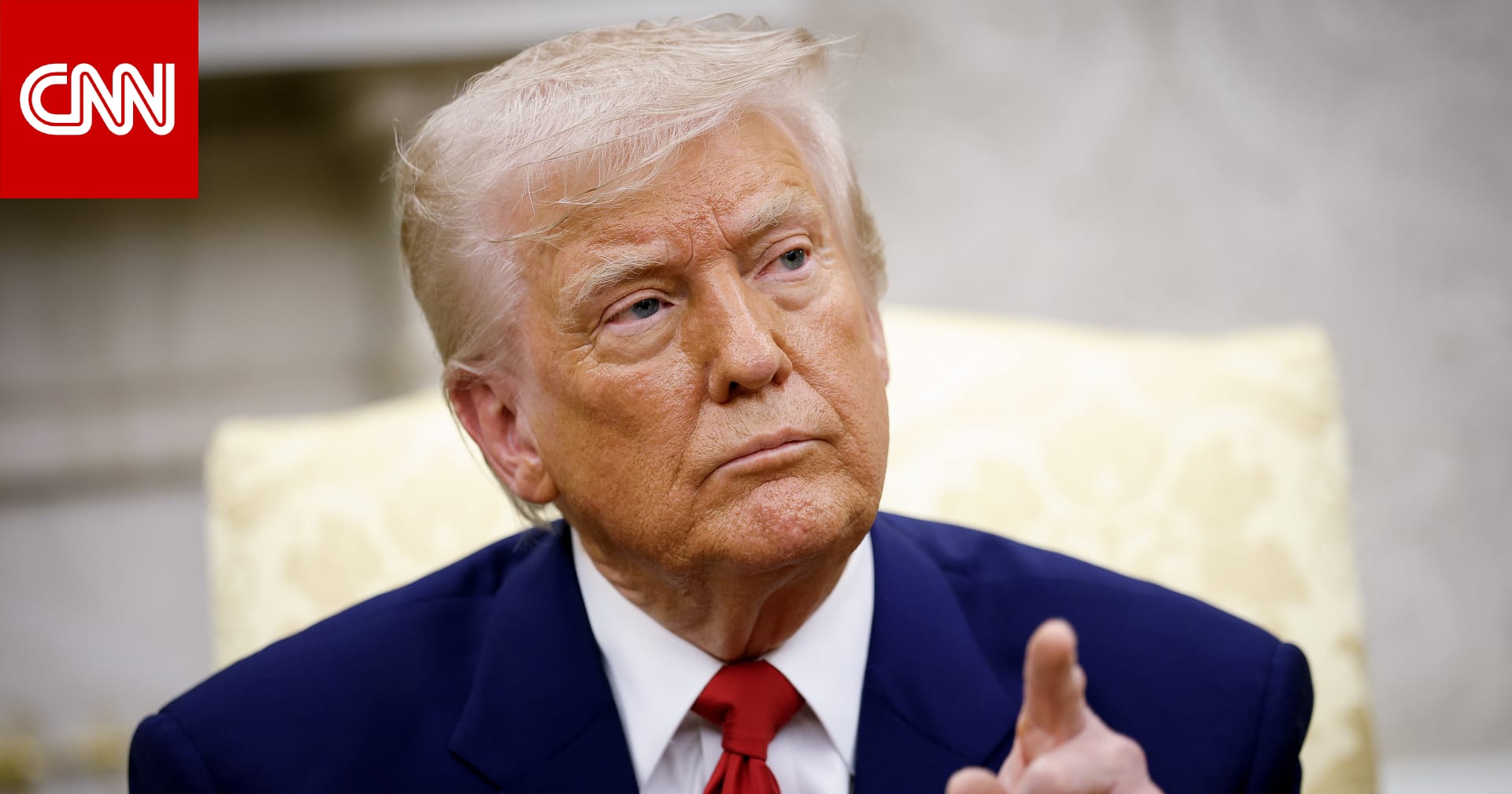
Concurrently with the hearing, Trump posted a comparison of recent U.S. wars, saying the 'military conflict with Iran' has been ongoing for four months and resulted in the deaths of 18 Americans.
The figure cited by Trump differs from the tally mentioned by Murray during the hearing, as she spoke of 17 U.S. military personnel killed in combat. The available information did not include an explanation for this discrepancy.
The hearing comes after the announcement of the deaths of three U.S. servicemen in Jordan and Iraq in recent days, amid continued U.S. strikes on Iran for the tenth consecutive night, and Tehran's retaliatory attacks targeting American and allied interests in the region.
Discover more
Original source: BBC Arabic


Comments (0)
Be the first to comment.