Palestinian Body: Israel Discusses 9 New Settlement Plans in West Bank
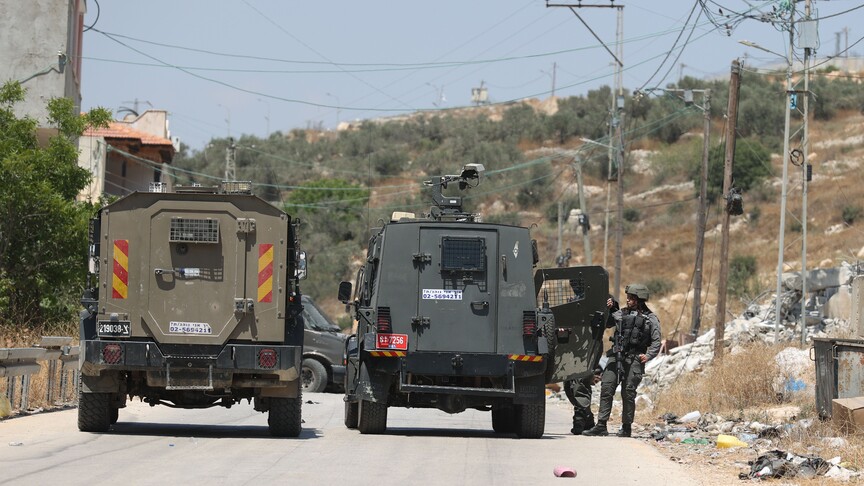
Includes construction of 1,024 units on over 1,000 dunams of Palestinian land, according to Commission of Resistance to the Wall and Settlements statement
Hosni Nadim / Anadolu
The Commission of Resistance to the Wall and Settlements warned on Friday of new Israeli settlement plans in the West Bank, including the construction of 1,024 units on more than 1,000 dunams of Palestinian land.
The Commission said in a statement that Israeli authorities continue to accelerate their settlement plans in the West Bank by pushing new projects that 'aim to entrench de facto annexation and expand settlements.'
The Commission added that the so-called 'Higher Planning Council' of the Israeli Civil Administration has discussed since the beginning of July nine settlement plans that have undergone approval and deposit procedures.
It considered that this reflects the continuation of a policy of imposing facts on the ground through settlement planning tools.
The Commission stated that 'the plans target more than 1,069 dunams (a dunam equals 1,000 square meters) of occupied Palestinian land, and include the construction of 1,024 new settlement units, with 455 units approved and 569 units deposited for completion of their approval procedures.'
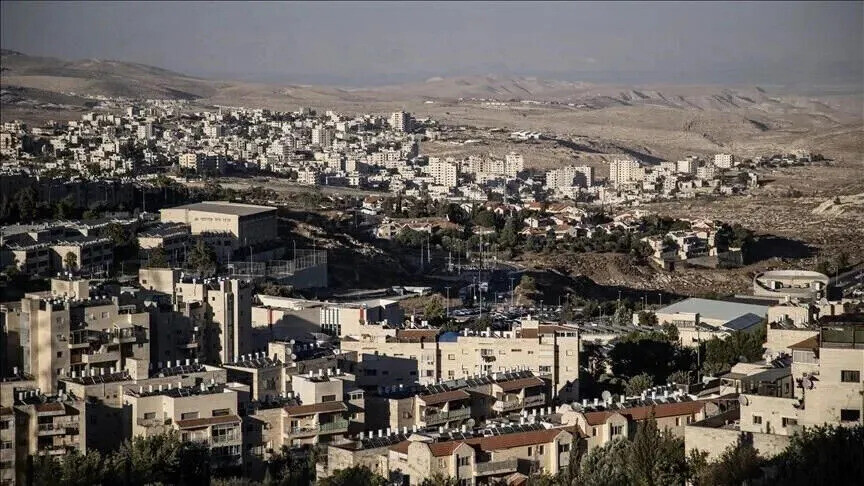
It added that 'these projects are not ordinary urban expansions, but rather come within a systematic policy to strengthen settlement blocs in the West Bank, including East Jerusalem, through horizontal expansion and urban densification within settlements to accommodate more settlers.'
The Commission pointed out that the occupation focuses on developing existing settlements more than establishing new ones, by modifying building plans and land uses to increase settlement density and exploit available spaces.
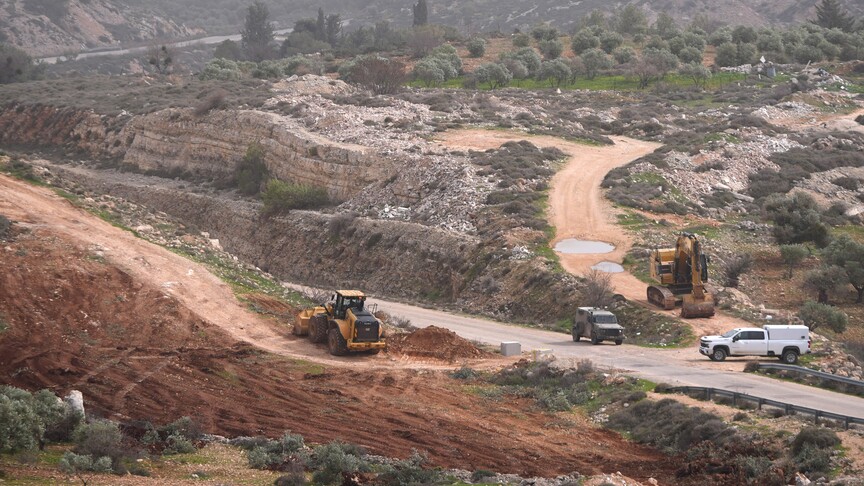
According to the statement, Israeli authorities approved a plan to expand the 'Mevo Dotan' settlement built on lands of Araba town south of Jenin, adding 455 settlement units on an area of approximately 539 dunams, a step the Commission said reflects rising settlement interest in the northern West Bank.
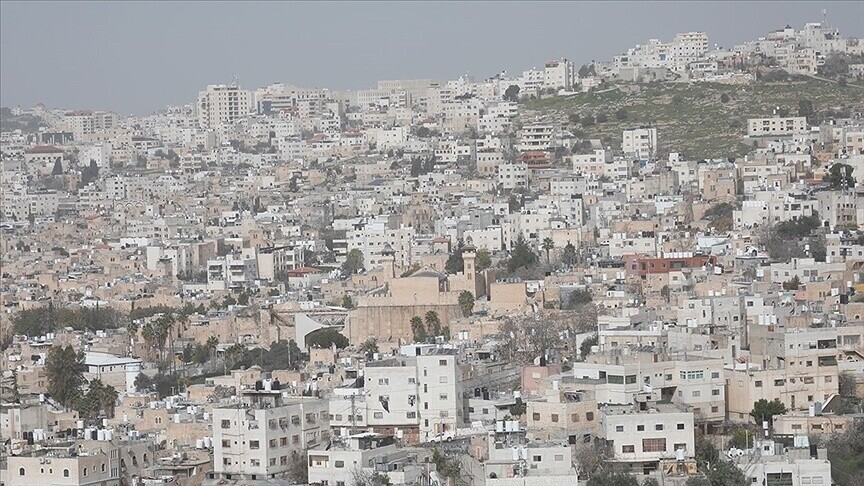
It added that the Hebron governorate (southern West Bank) is also witnessing notable settlement expansion, after depositing two plans in the settlements of 'Beit Hagai' and 'Asa'el' to add 567 settlement units on an area exceeding 519 dunams, enhancing the connection of settlement blocs to Israeli road networks and infrastructure.
The Commission saw that 'the planning modifications, including changes to building lines, land uses, and plot divisions, represent additional tools to increase settlement density and reduce the need for future land confiscation.'
It affirmed that settlement planning has become an 'integrated system' to reshape Palestinian geography by developing settlements and linking them to Israeli infrastructure, while restricting Palestinian urban expansion.
The Commission considered that this entrenches the policy of de facto annexation of occupied Palestinian lands.
On Sunday, Israeli Central District Commander Avi Blot signed an order officially turning the 'Givat Ze'ev' settlement, built on Palestinian land northwest of Jerusalem, from a local council into a city, a step Finance Minister Bezalel Smotrich said aims to strengthen settlements and prevent the establishment of a Palestinian state, according to Channel 7 (private).
Converting the settlement into a city means expanding its administrative powers and increasing government allocations, enabling accelerated construction and urban expansion projects and attracting more settlers, amid Palestinian and international criticism of these policies.
The United Nations and most countries of the world consider Israeli settlements built on occupied Palestinian land illegal under international law and see them as undermining the prospects of a two-state solution.
The Israeli Peace Now movement estimates that there are about half a million settlers in the occupied West Bank, in addition to about 250,000 in settlements built in East Jerusalem.
Palestinians see such steps as part of an accelerated Israeli policy to impose facts on the ground through settlement expansion and land confiscation, hindering the establishment of an independent Palestinian state.
Original source: Anadolu Agency


Comments (0)
Be the first to comment.