Iran Pushes Trump Toward More Dangerous Options
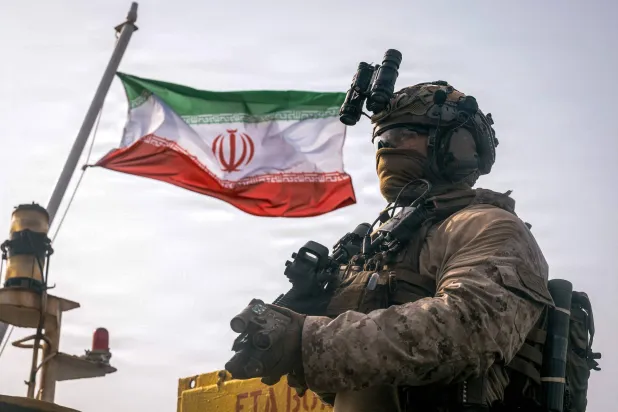
The dilemma facing Washington is no longer about its ability to inflict more destruction on Iran, but whether that destruction can change the regime's behavior. After five months of war, Tehran still clings to its leverage, foremost the Strait of Hormuz, while the Houthis, at its behest, have expanded the confrontation to the Red Sea. In response, President Donald Trump is deploying more troops to the region and says he is close to deciding on a "massive strike." Between the difficulty of an air-only decisive blow and the danger of sending ground forces into Iranian territory, the conflict appears to be entering a wider phase, though not necessarily more decisive.
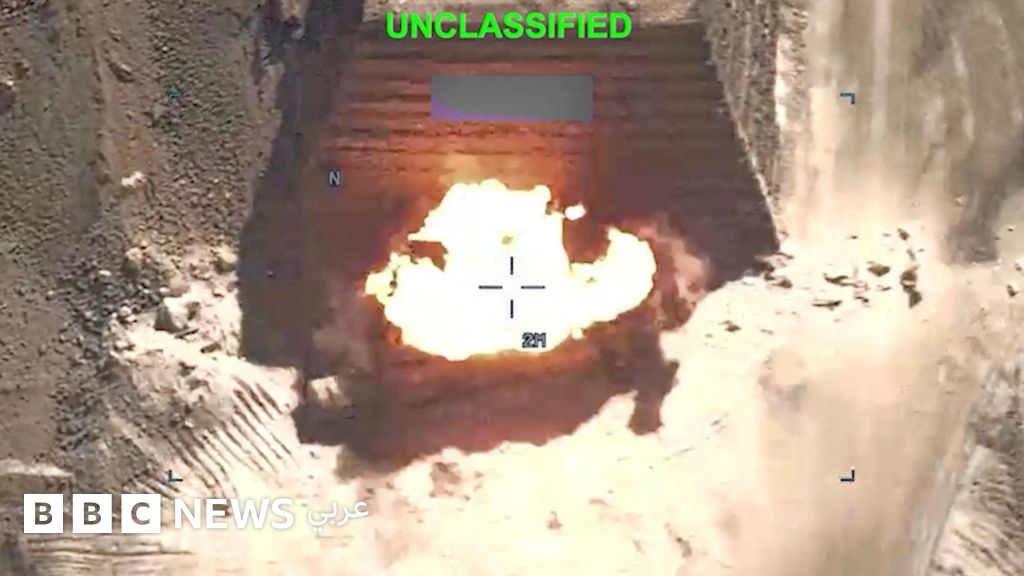
The US-Israeli campaign has inflicted significant tactical losses on Iran, destroying missile bases, command centers, production facilities, and naval infrastructure. But satellite imagery reviewed by The Wall Street Journal showed that within weeks, Tehran had reopened tunnel entrances and repaired roads and bridges, after airstrikes had managed to seal the entrances to some mountain bases without destroying the weapons stored inside.
Heavy bombardment... limited results
The speed of repairs reveals that air superiority does not automatically equate to strategic victory. Iran dispersed its platforms and stockpiles and retained the industrial knowledge needed to resume production. Joint Chiefs of Staff Chairman General Dan Caine acknowledged during a Senate hearing that "air power has its limits," while Democratic Senator Brian Schatz described the situation as closer to a stalemate.
This is also confirmed by Farzin Nadimi, a security and defense fellow at The Washington Institute, in an interview with Asharq Al-Awsat, noting that the campaign "has inflicted heavy losses but neared its maximum limits" in the face of Iran's asymmetric capabilities and speed in reorganizing its forces. However, a major shift in the balance of power may be impossible without direct and extensive Israeli involvement.
Internal attrition and political fissures
Yet Tehran's bet on a war of attrition is not without grave risks on the home front. The protracted confrontation unfolds against a backdrop of complex economic crises and soaring inflation that have exhausted the Iranian public. These pressures also complicate the domestic political landscape, where muted "factional warfare" has emerged between hardline conservatives and more pragmatic currents warning of the cost of isolation and the erosion of state capacity.
Despite the regime's skill in managing asymmetric warfare, declining revenues and accumulated damage to vital infrastructure weaken its ability to manage basic services. Time thus becomes a double-edged sword: while Iran bets on exhausting Washington's patience, it simultaneously races against time to prevent a collapse on the home front and deepening political rifts.
Iran's bet on the straits
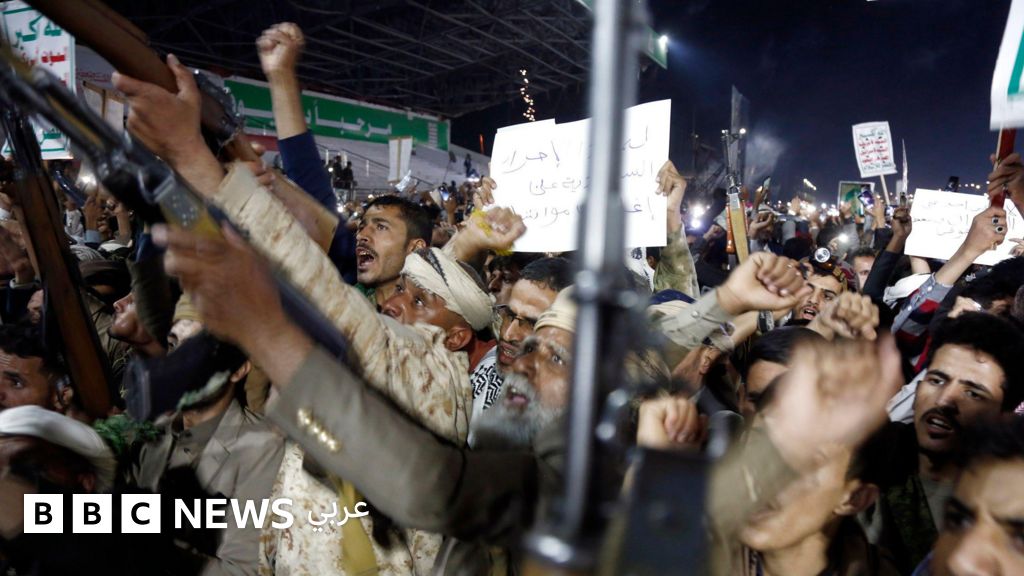
Tehran gambles that its ability to threaten navigation and disrupt energy exports gives it leverage that airstrikes cannot easily strip away. According to Nadimi, it has preserved the Strait of Hormuz card, while the Houthis brought the Red Sea and Bab el-Mandeb into the confrontation, pushing oil prices above $100 a barrel and heightening concerns over the world's most critical energy routes.
This escalation has led some analysts to argue that the Iranian regime has chosen a path akin to "political suicide" by provoking Gulf states and Europeans. However, the introduction of the Houthis can also be read as an attempt to raise the cost of US pressure and demonstrate that the war will not remain confined to Iranian territory.
With the collapse of the truce and previously signed memoranda of understanding on Hormuz, the US president is convinced that Iran only understands the language of force, while the US administration has stressed that Tehran will continue to pay the price until it returns to negotiations that Trump deems serious.
Trump between retaliation and cost
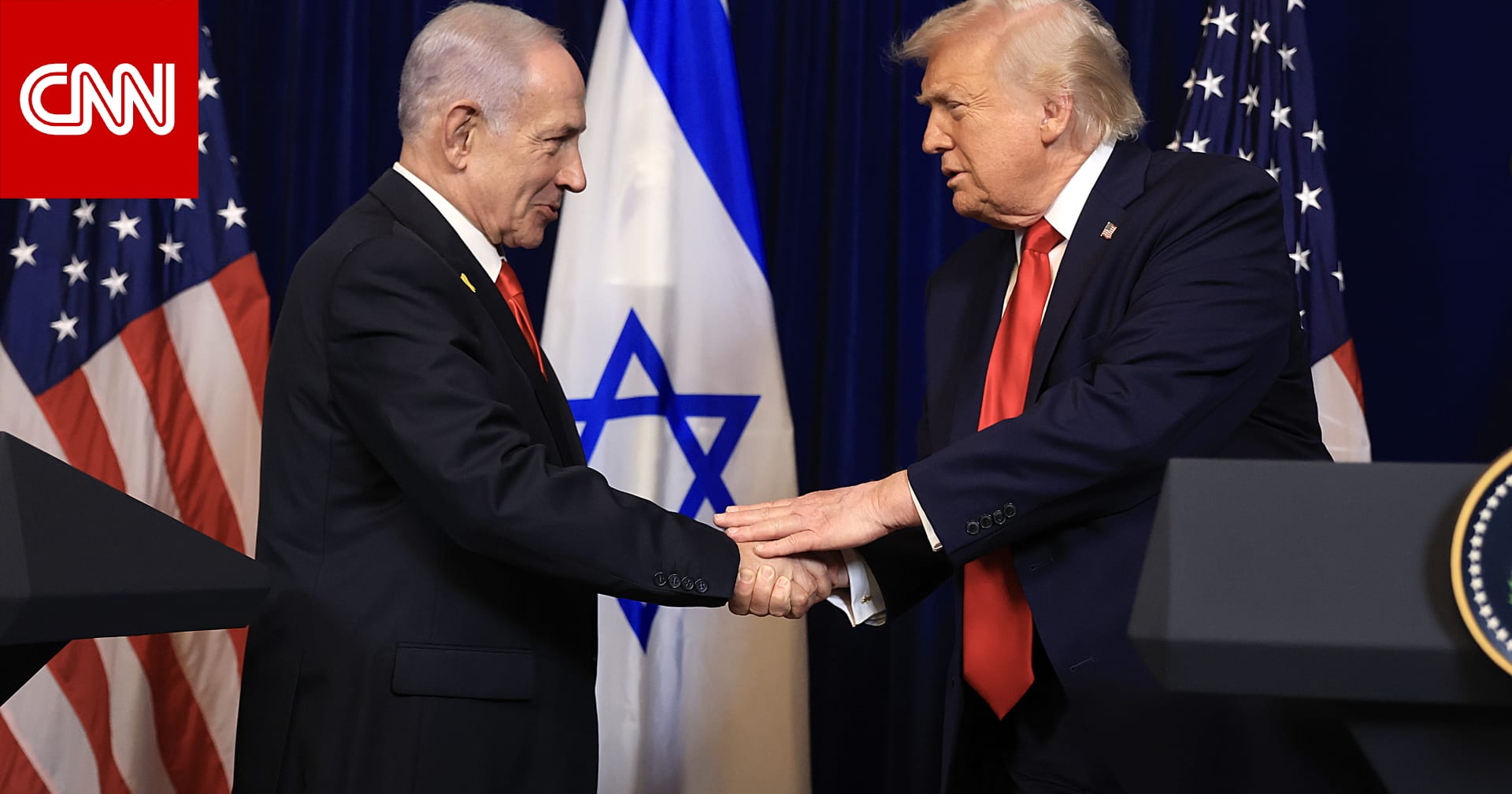
As a senior administration official reported that Trump has grown skeptical of diplomacy and entered a "vengeful" state after the deaths of US service members, Trump told Axios he is considering a strike "bigger than ever before," affirming the readiness of US forces.
The military buildup reflects the seriousness of the options on the table, but the cost is also rising. War expenditures have reached about $37.5 billion, 18 US service members have been killed, and support for the war within Trump's base has dropped from half to a third, according to a Politico poll, amid Republican fears over the impact of fuel prices on the midterm elections.
Limited escalation or ground forces?
The first option for Washington is to expand the target set to include bridges and power plants, but that carries risks of higher civilian casualties without forcing the regime to back down.
The tougher dilemma is the "mountain of the ax." Michael Rubin, director of policy analysis at the Middle East Forum, told Asharq Al-Awsat that the air war "has reached its limits" because conventional weapons cannot address deeply buried sites, adding that the real question is now the feasibility of ground operations or targeted landings.
Nadimi believes a full-scale ground campaign is still less likely, but limited operations to seize key points or specific facilities remain possible, though such steps could open a door to escalation that is difficult to close.
Therefore, the most likely scenario is a mix of broader bombing, naval pressure, and special operations, with the possibility of Israeli involvement if Trump decides to request it. But the near-term outcome is unlikely to be either Iran's surrender or a US invasion; rather, a war of attrition and an unstable truce, punctuated by successive waves of escalation that may multiply risks without providing a clear end to the war.
"); googletag.cmd.push(function() { onDvtagReady(function () { googletag.display('div-gpt-ad-3341368-4'); }); }); }
Original source: Asharq Al-Awsat


Comments (0)
Be the first to comment.