Poverty Traps 83% of Sudanese Before War
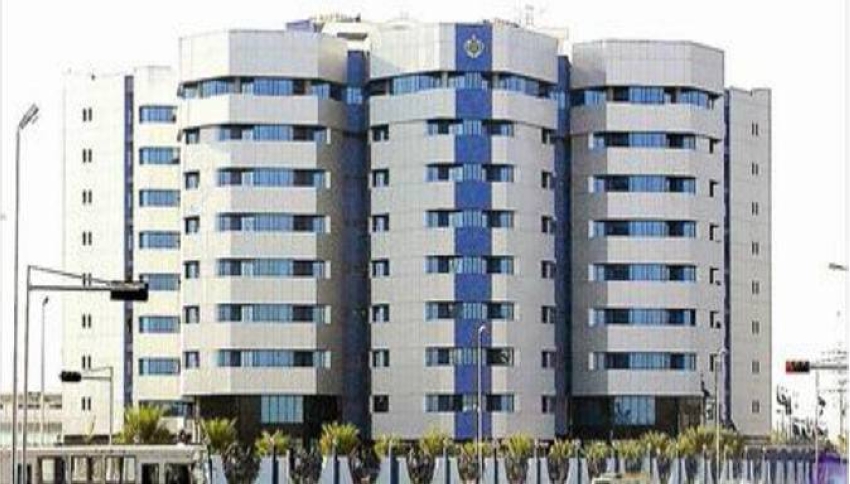
A multidimensional poverty survey for 2023, issued by the government's Central Bureau of Statistics, showed that 82.8% of Sudanese suffered from multidimensional poverty.
The first official multidimensional poverty survey in Sudan showed that 82.8% of the population were living in harsh conditions even before the outbreak of war between the army and the Rapid Support Forces in April 2023, an indicator reflecting the scale of challenges facing the country before it entered the largest humanitarian crisis in its modern history.
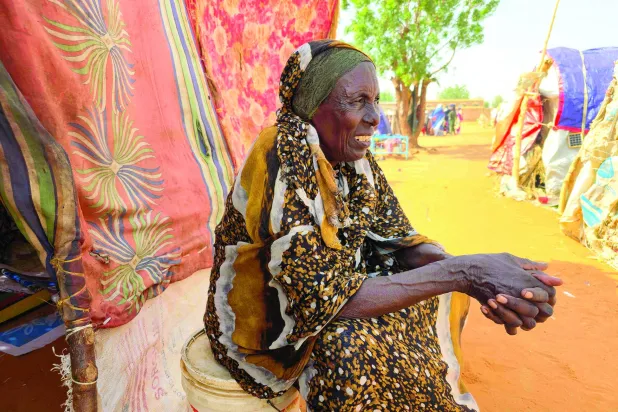
Suffering and hunger are etched on the face of a Sudanese woman at Al-Hamaniya camp for displaced persons in South Kordofan, July 7, 2026 (AFP)
The survey, issued by the Central Bureau of Statistics, revealed that the multidimensional poverty index reached 0.441, while the intensity of poverty reached 53.3%, meaning that the poor, on average, suffered from more than half of the deprivations measured by the index. The survey adopted for the first time the multidimensional poverty methodology, which measures deprivation in the areas of health, education, living standards, and employment through 14 indicators, instead of only measuring income level.
The results showed that deprivation of health services represents the largest manifestation of poverty, as 97.3% of the population suffer from poor access to healthcare, followed by sanitation services at 86.9%, then cooking fuel at 64.9%, making the health sector the largest contributor to the rise in the poverty index.
Geographically, the states of Darfur and Kordofan recorded the highest poverty rates, with Central Darfur topping the list, followed by East Darfur, then South Kordofan, West Kordofan, and South Darfur, while Khartoum and the Northern State had the lowest levels of the index, with the report warning of the fragility of conditions there and the possibility of large numbers of people slipping into poverty when exposed to any shocks.
A Sudanese refugee girl from the Darfur region at the Touloum refugee camp in eastern Chad (Reuters)
The survey also revealed a widespread prevalence of acute poverty, as more than three-quarters of the population of East and Central Darfur states live in severe multidimensional poverty, while the percentage exceeded 70% in South and West Kordofan and South Darfur, reflecting the widening development gaps between the country's regions. The Central Bureau of Statistics confirmed that the survey results, implemented in partnership with the United Nations Development Programme and the Oxford Poverty and Human Development Initiative, represent the last baseline before the war, and will serve as a reference for measuring the impact of the conflict on poverty and development levels in the coming years.
Original source: Asharq Al-Awsat


Comments (0)
Be the first to comment.