Qalibaf: Era of Unilateral Agreements is Over.. Iran Expands Its Response

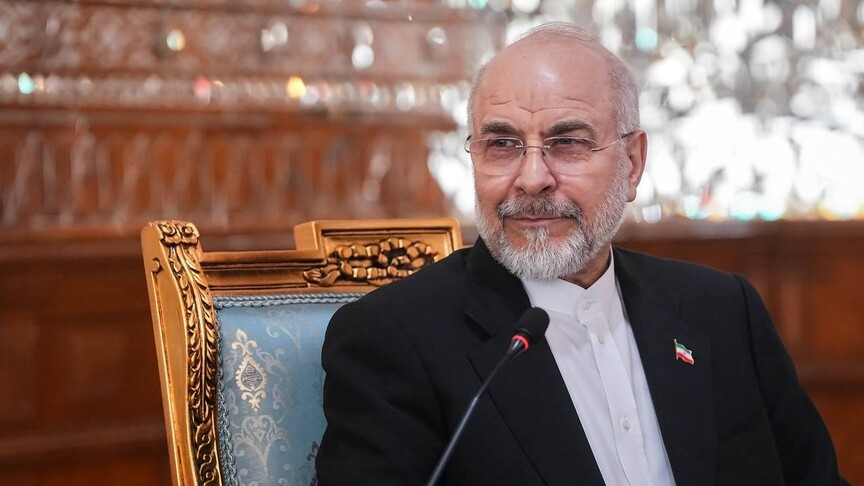
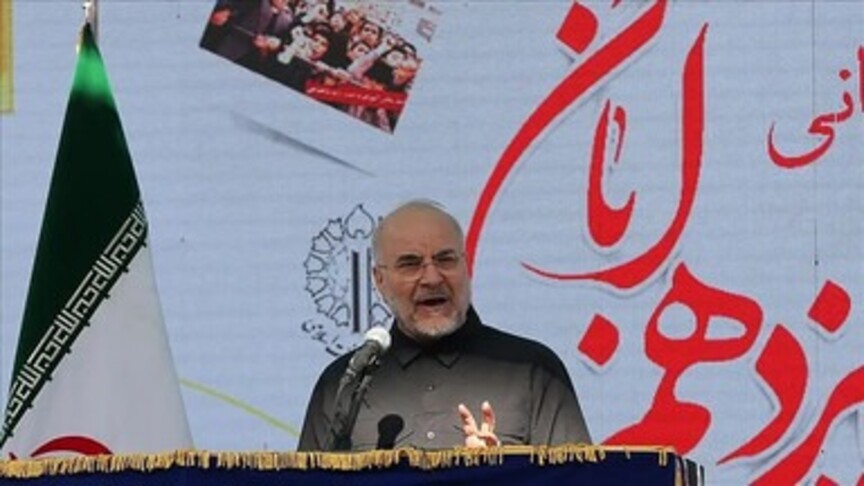
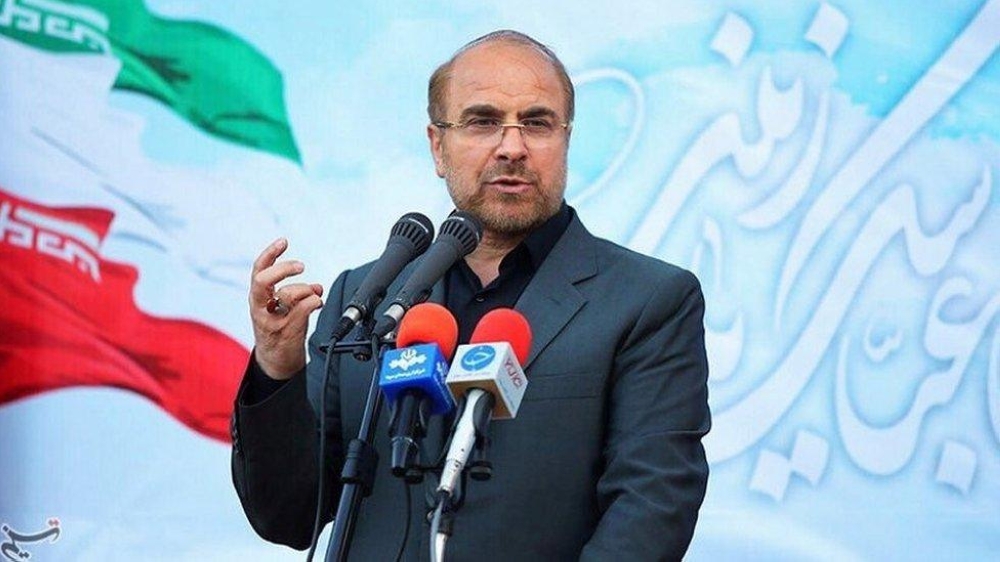
Iran escalated its rhetoric and military operations on Sunday, after its chief negotiator Mohammad Baqer Qalibaf announced that "the era of unilateral agreements is over," warning the United States of the repercussions of what he described as failing to fulfill its commitments, coinciding with the announcement by the Islamic Revolutionary Guard Corps (IRGC) of carrying out attacks on American targets in Qatar, Oman, and the Strait of Hormuz.
Qalibaf said in a post on his X account, as reported by Reuters: "We told you: keep your promises or pay the price. Reality is knocking on doors," in reference to the collapse of temporary understandings between Washington and Tehran after renewed strikes and the closure of the Strait of Hormuz.
His remarks came as the IRGC announced that its air force had carried out "the third phase" of the response to American strikes, targeting logistics support centers and refueling platforms for ships associated with U.S. aircraft carriers at the port of Duqm in Oman.
The IRGC said the operation targeted facilities used by the U.S. Navy to support its ships, with no independent confirmation of the extent of damage or losses resulting from the attack.
Al Udeid Base and a Second Ship
In another development, the IRGC announced striking the Al Udeid American air base in Qatar with ballistic missiles, claiming to have destroyed a maintenance center for fighter jets and a command and control facility within the base.
It also said it targeted a second commercial vessel in the Strait of Hormuz and caused damage, hours after striking another container ship whose crew was forced to abandon it due to a fire and extensive damage in the engine room.
There was no immediate U.S. comment confirming the Iranian account of the results of the attacks on Al Udeid base or Duqm port, while Gulf countries continued activating air defense systems to deal with missiles and drones coming from Iran.
The IRGC had earlier announced targeting a U.S. military base in Jordan, in response to American strikes that hit coastal bases, communication towers, and military sites on Iran's southern coast.
Video Player is loading.
Current Time 0:00
Duration 1:08:52
Loaded: 0.00%
Remaining Time 1:08:52
Strait of Hormuz at the Heart of the Confrontation
The current crisis is centered on the Strait of Hormuz, after Tehran announced its closure "until further notice," stating it would not allow ships to use routes it does not approve.
In response, Washington demands the opening of all maritime corridors to commercial vessels without restrictions or fees, and considers the attacks on ships a violation of freedom of navigation and previous understandings between the two sides.
The U.S. military had announced the end of a new round of strikes on Iran, confirming it had targeted about 140 military sites during the latest operation, and over 300 targets over three nights, including missile and drone sites, ammunition depots, communication networks, and coastal surveillance centers.
With the confrontation moving to American bases and facilities in more than one country, concerns are growing that the mutual strikes could turn into an open regional conflict, at a time when prospects for a return to negotiations seem weaker than ever.
Ad material
Ad material
Original source: Al Arabiya

Comments (0)
Be the first to comment.