Rubio meets with Chinese counterpart on sidelines of ASEAN meeting
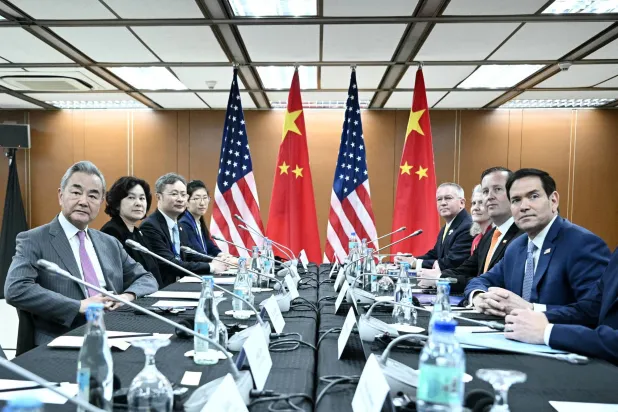
US Secretary of State Marco Rubio and his Chinese counterpart Wang Yi discussed on Wednesday a planned visit by Chinese President Xi Jinping to the United States in September on the sidelines of an Asian meeting, and the two ministers expressed their concern about the Iran war and tensions in the South China Sea.
Rubio said he had an extensive dialogue with Wang on the need to lay the groundwork for a 'very positive' visit by President Xi, and that their task is to manage the major differences between the two countries and ensure they do not spiral out of control, according to Reuters news agency.
The broader Association of Southeast Asian Nations (ASEAN) meeting in Manila comes amid an escalation of the war between the United States and Iran, and at a time of rising tension between Beijing and the Philippines, a close US ally, over an incident in the South China Sea on Monday that prompted both countries to summon each other's ambassadors.
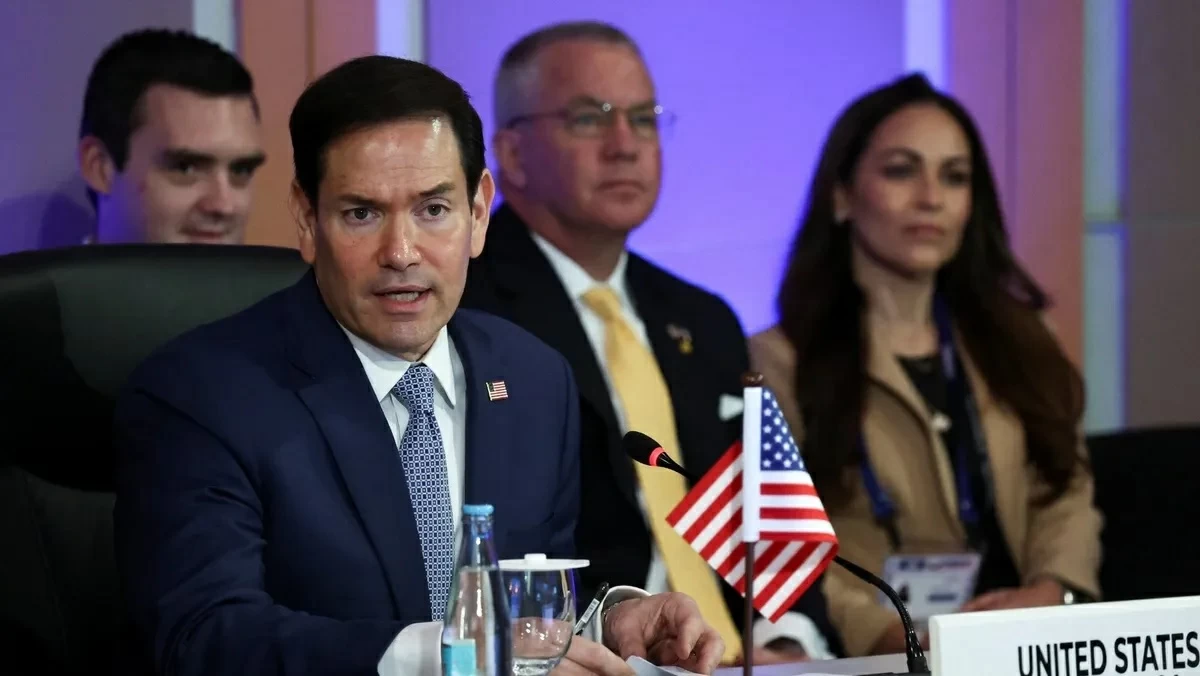
During his meeting with ASEAN foreign ministers, who expressed deep concern over the Middle East war, Rubio placed full responsibility on Iran.
He said: 'The problem we face right now is that they do not seem serious about talks... If they are serious, we will reciprocate. If not, we will do what is necessary to protect our interests and those of our allies as well.'
He stressed that Iran cannot be allowed to control the Strait of Hormuz, because that could set a dangerous precedent for other regions of the world.
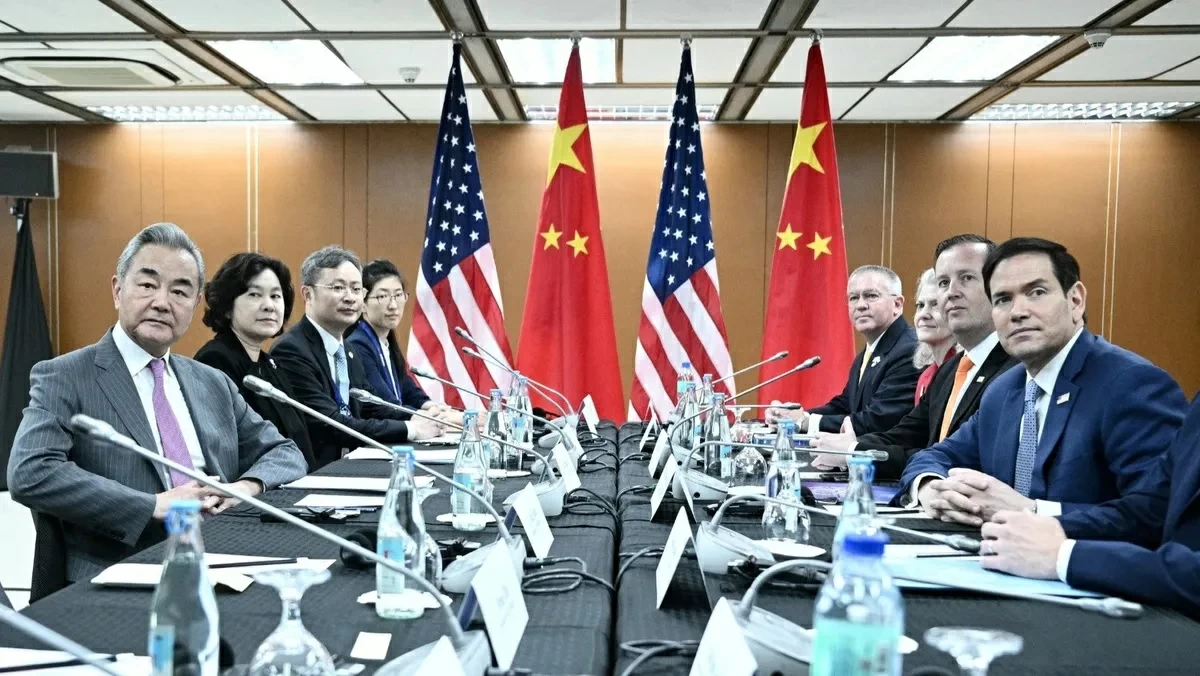
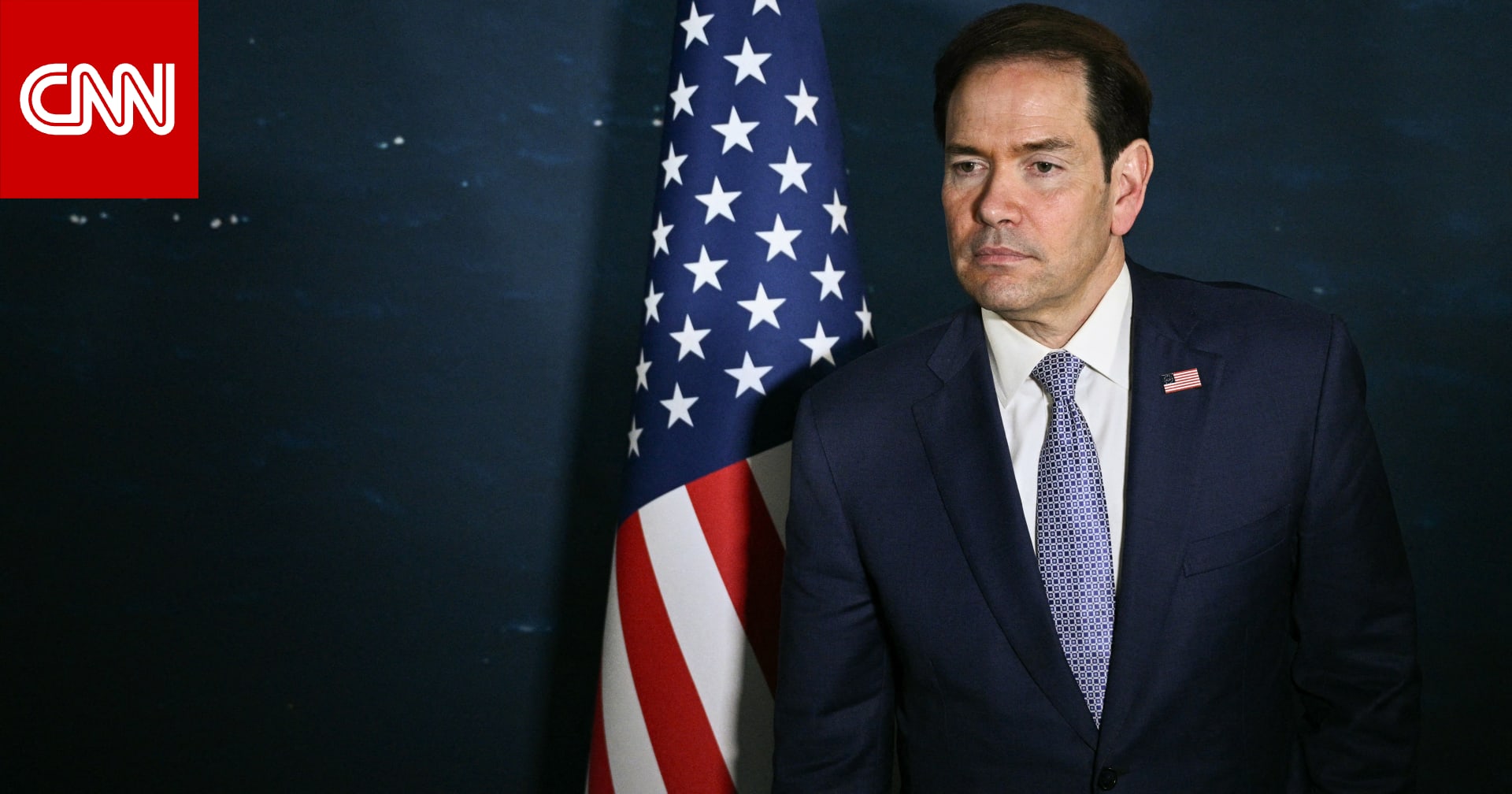
US Secretary of State Marco Rubio participates in a bilateral meeting with Chinese Foreign Minister Wang Yi on the sidelines of the ASEAN Foreign Ministers' Meeting in Pasay City... Manila, Philippines, July 22, 2026 (AFP)
'Geopolitical Weapon'
Rubio's remarks came after an opinion article published by Philippine media on Tuesday that criticized Beijing's behavior in the South China Sea, warning of 'new and grave threats' if 'those waters fall under the control of a power willing to use trade as a geopolitical weapon.' Beijing claims sovereignty over almost the entire South China Sea through a line on its maps that overlaps with the exclusive economic zones of Brunei, Indonesia, Malaysia, the Philippines, and Vietnam, sparking long-standing disputes over numerous islands and maritime areas.
Australian Foreign Minister Penny Wong described a clash on Monday between Chinese coast guard and Philippine navy personnel in the South China Sea as dangerous and destabilizing.
She added to reporters: 'Countries in the region have a choice about how we all respond to that.'
Chinese Foreign Ministry spokesperson Lin Jian responded by saying that Australia has no right to intervene in the South China Sea, and that Beijing 'calls on the relevant countries to stop stirring up tensions and inciting confrontation.'
Disputes between the Philippines and China have escalated in the past few years, as Manila adopts a tougher stance on the South China Sea while seeking to strengthen defense ties with the United States, as well as Australia and Japan. Russian Foreign Minister Sergei Lavrov confirmed that he will meet Rubio in Manila on Thursday. Rubio said he would discuss the Ukraine war with Lavrov, stressing that Washington seeks to play a constructive role in ending that war.
Original source: Asharq Al-Awsat

Comments (0)
Be the first to comment.