Sino-Russian Drills Spark New Dispute with Japan in the Philippine Sea
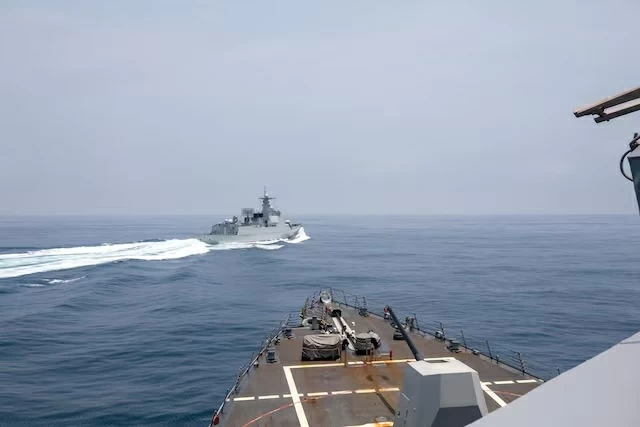
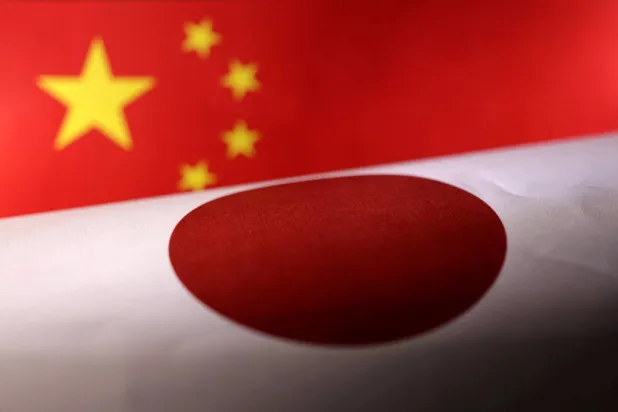
Japan officially protested to China today (Tuesday) over live-fire drills conducted within the exclusive economic zone that Tokyo claims belongs to it, a move that could escalate tensions between the two largest economies in Asia.
The Japanese Ministry of Defense explained that the drills, which also involved Russian ships, took place early Sunday, approximately 180 kilometers (southwest of Okinotori Island); which Japan considers an island that grants it rights in the surrounding exclusive economic zone.
In contrast, China rejects this classification, asserting that Okinotori is merely a rock and not an island, and therefore Japan has no right to claim the surrounding waters as an exclusive economic zone. The Chinese Ministry of Foreign Affairs did not issue an immediate comment on the Japanese protest.
Japan's Chief Cabinet Secretary, Minoru Kihara, stated that the Japanese government lodged a protest with Beijing through diplomatic channels, considering that these military activities could pose a risk to maritime navigation in the area.
A spokesperson for the Japanese military added that "this is the first time Tokyo has officially announced that China conducted live-fire drills within its exclusive economic zone," while also noting that these drills do not constitute a violation of international law.
These developments come amid rising tensions between the two countries since late last year, after comments made by Japanese Prime Minister Sanae Takahichi regarding Taiwan drew sharp criticism from Beijing, which responded with counter-economic measures.
Additionally, China and Russia have intensified their joint naval and aerial operations in the vicinity of Japan in recent times, prompting Tokyo to enhance surveillance operations and strengthen its defenses in the chain of islands located southwest of the country, amid growing concerns about regional security.
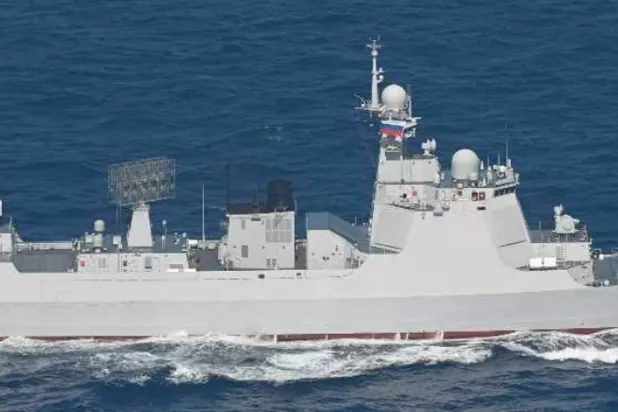
According to the Japanese military, its forces detected four warships, including two Chinese destroyers equipped with guided missiles, a Chinese supply ship, and a Russian frigate, heading towards Japan's exclusive economic zone, before one of the Chinese destroyers conducted live-fire drills.
Kihara noted that the ships in the vicinity of the area received a notification via radio prior to the start of the drills indicating that live-fire operations would be conducted.
This incident follows months after a widely debated occurrence last December, when Japan announced that Chinese fighter jets had directed their radars at Japanese military aircraft near the Okinawa Islands, which China denied at the time.
Japan officially protested to China today (Tuesday) regarding live-fire drills conducted within the exclusive economic zone that Tokyo claims belongs to it, a move that could escalate tensions between the two largest economies in Asia.
The Japanese Ministry of Defense explained that the drills, which also involved Russian ships, took place early Sunday, approximately 180 kilometers (southwest of Okinotori Island); which Japan considers an island that grants it rights in the surrounding exclusive economic zone.
In contrast, China rejects this classification, asserting that Okinotori is merely a rock and not an island, and therefore Japan has no right to claim the surrounding waters as an exclusive economic zone. The Chinese Ministry of Foreign Affairs did not issue an immediate comment on the Japanese protest.
Japan's Chief Cabinet Secretary, Minoru Kihara, stated that the Japanese government lodged a protest with Beijing through diplomatic channels, considering that these military activities could pose a risk to maritime navigation in the area.
A spokesperson for the Japanese military added that "this is the first time Tokyo has officially announced that China conducted live-fire drills within its exclusive economic zone," while also noting that these drills do not constitute a violation of international law.
These developments come amid rising tensions between the two countries since late last year, after comments made by Japanese Prime Minister Sanae Takahichi regarding Taiwan drew sharp criticism from Beijing, which responded with counter-economic measures.
Additionally, China and Russia have intensified their joint naval and aerial operations in the vicinity of Japan in recent times, prompting Tokyo to enhance surveillance operations and strengthen its defenses in the chain of islands located southwest of the country, amid growing concerns about regional security.
According to the Japanese military, its forces detected four warships, including two Chinese destroyers equipped with guided missiles, a Chinese supply ship, and a Russian frigate, heading towards Japan's exclusive economic zone, before one of the Chinese destroyers conducted live-fire drills.
Kihara noted that the ships in the vicinity of the area received a notification via radio prior to the start of the drills indicating that live-fire operations would be conducted.
This incident follows months after a widely debated occurrence last December, when Japan announced that Chinese fighter jets had directed their radars at Japanese military aircraft near the Okinawa Islands, which China denied at the time.
Original source: Okaz


Comments (0)
Be the first to comment.