The Emir who opened small Qatar to the outside world and achieved exceptional success
From the legacy of Hamad bin Khalifa and his role in Qatar's international rise, to criticisms of Trump's policy toward Iran, and an experimental drug that may prevent Alzheimer's symptoms... what is in the newspapers today?
The Emir who opened small Qatar to the outside world and achieved exceptional success - an article in The Washington Post
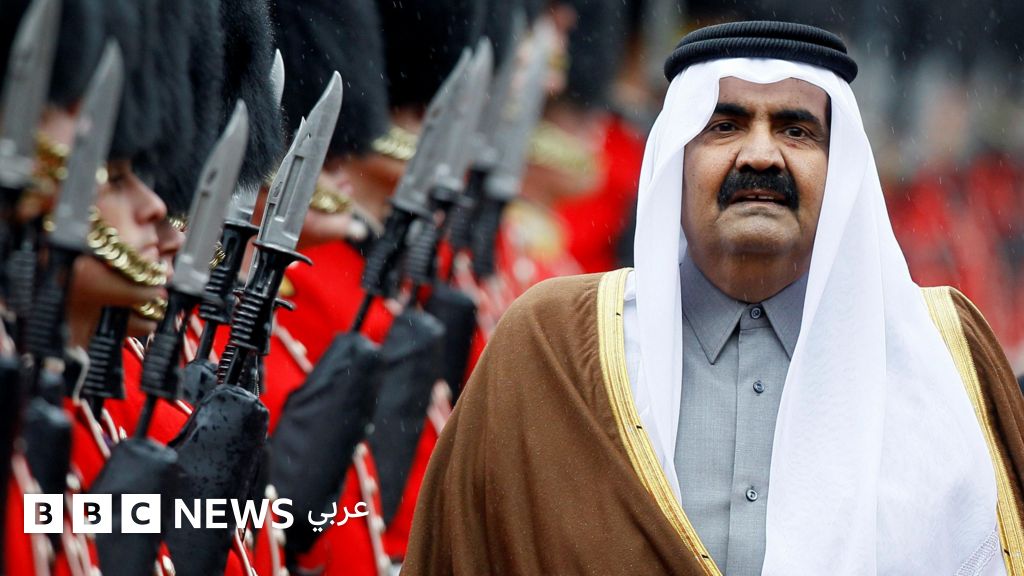
Image caption: Jon Gambrell writes in The Washington Post that Hamad bin Khalifa was the architect of the ambitions that turned Qatar into an influential international player.
Published 3 hours ago
Reading time: 5 minutes
From Doha, where the passing of Hamad bin Khalifa has refocused attention on the transformation Qatar witnessed during his reign, to the American confrontation with Iran, and finally to a major clinical trial for a treatment that may precede Alzheimer's symptoms - today's press roundup moves between a political legacy, a divisive war, and medical hope still under testing.
We begin with The Washington Post, where Jon Gambrell reviews the career of former Emir of Qatar Hamad bin Khalifa Al Thani, who passed away at 74. He previously ruled the country for 18 years and brought about a vast transformation in its regional and international standing.
The writer describes the former Emir as the man responsible for crafting the ambitions that, thanks to its energy wealth, moved Qatar from a state with limited presence to an international hub for diplomacy, media, and investment in less than a generation. He cites as evidence its ownership of Harrods in London, the founding of Al Jazeera, the expansion of Qatar Airways, the construction of the Doha international airport that bears the former Emir's name, as well as hosting the 2022 World Cup.
However, Gambrell says that Qatar's rise also sparked resentment among a number of its regional and Western allies due to the independence of its foreign policies and its close relations with Iran, Hamas, and the Muslim Brotherhood. Additionally, Al Jazeera's coverage, despite praise for what was considered a departure from the traditional style of Arab media, faced accusations of bias toward the agendas of Qatar's rulers.
How did Khamenei's funeral turn into a "propaganda show"? - an article in The Telegraph
Image caption: According to Gambrell, the former Emir opened Qatar to the world and expanded its influence in the fields of diplomacy, media, and investment.
Hamad bin Khalifa assumed power in 1995 after ousting his father, Khalifa bin Hamad Al Thani, in a bloodless coup. In 2013, he broke with a prevailing tradition in the region when he voluntarily stepped down in favor of his son Tamim, who was then 33, in a peaceful transition the writer described as rare in a region where leadership change is often associated with death or ouster.
The writer believes that after Hamad came to power, Al Jazeera became the most prominent manifestation of Qatar's openness, while it angered Arab governments and Washington when it broadcast statements by Al-Qaeda at a time when Doha was hosting an important logistical center for the Pentagon following the 11 September attacks and the American invasions of Afghanistan and Iraq.
The former Emir also sought to bolster his country's standing through sports, culminating in hosting the World Cup, despite accusations of using Qatari wealth to gain the support of less wealthy nations. The Qatari presence extended to sponsorship deals with FC Barcelona and the acquisition of a majority stake in Paris Saint-Germain.
Diplomatically, Gambrell points to Qatar's mediation in Darfur, the Lebanese disputes, and the division between the Fatah and Hamas movements. Hamad bin Khalifa also became the first head of state in 2012 to visit the Gaza Strip since Hamas took control of it, pledging projects and investments worth $400 million. At the same time, Qatar maintained communication channels with Israel; Hamad bin Khalifa met with then-Israeli Foreign Minister Tzipi Livni in 2007, and Doha allowed an Israeli trade office to operate until it closed it in response to Israeli attacks on Gaza in late 2008.
Skip to most read and continue reading
"How did Israel recruit former Iranian President Ahmadinejad?" - The New York Times
The US military launches a new wave of strikes against Iran, with reports of Tehran threatening to close the Bab al-Mandab Strait
Sources in the Lebanese presidency to the BBC: "A meeting between Aoun and Netanyahu is completely unacceptable"
Two Arab referees in the World Cup semi-finals, Gehad and Al-Mirdasi make history
The article also discusses Qatar's participation with warplanes in NATO operations against Muammar Gaddafi's forces and its military and financial support for the Libyan opposition, alongside its support for the Syrian opposition and calls to increase the flow of weapons to it. The writer believes that Doha's support for Islamist groups contributed to the tension in its relations with other Arab countries, leading to the boycott imposed by Bahrain, Egypt, Saudi Arabia, and the UAE, part of the reasons for which was linked to the policies established by Sheikh Hamad and which continued after the transfer of power, according to the writer.
The next British Prime Minister must not gamble on peace in the Gulf - The Telegraph
"The President cannot bully his way out of war"
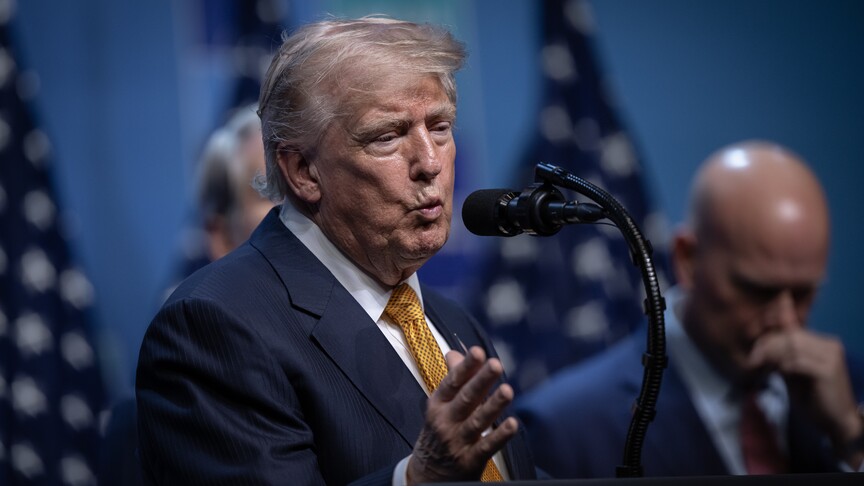
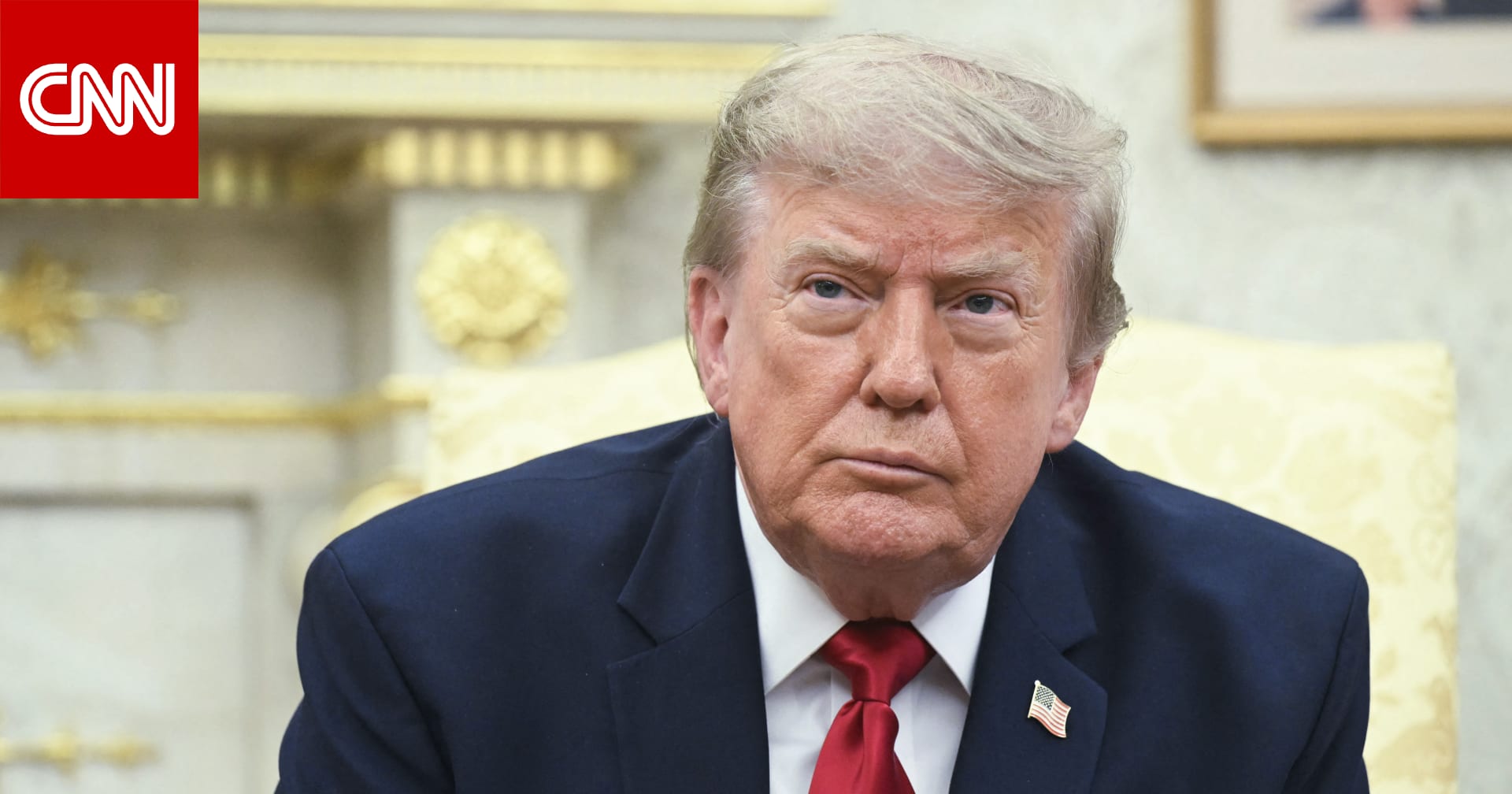
Image caption: Chris Hughes in The Daily Mirror criticizes Donald Trump's reliance on threats, force, and financial pressure in his dealings with Iran.
Skip podcast and continue reading
Worth paying attention to
In-depth explanation of the most prominent events and topics, to help you understand the most important changes around you and their impact on your life
Episodes
Podcast End
In The Daily Mirror, an article criticizes the American President's reliance on threats, force, and financial pressure in his dealings with Iran.
Chris Hughes, defense and security editor at The Daily Mirror, believes that US President Donald Trump deals with the Iran crisis with a mindset based on threats, and seeks to force Tehran and other capitals to bear the cost of his war.
Hughes criticizes Trump's threat to impose a twenty percent tariff on Iranian ships entering and leaving the Strait of Hormuz, considering it a violation of international law and diplomatic norms. He says that the American blockade on the strait will increase pressure on Iranians who are struggling to obtain supplies, and these are the same people Trump vowed to help after tens of thousands of them sacrificed their lives and freedom in the face of the Iranian regime, according to the writer.
According to the writer, force, financial pressure, and bullying seem to be the only tools in the US President's arsenal, but they do not achieve their goals and are making the situation worse. He adds that the cost of the war on the US, Gulf states, and the Western economy has reached hundreds of millions, and it has also created a rift between Washington and European countries that do not want to support Trump's war, which he says was evident during the recent NATO summit in Turkey.
Hughes expects the conflict to last for years, unless the other "unthinkable" option is resorted to, which is executing a ground military operation to overthrow the Iranian regime. The writer concludes that the war may leave a lasting mark on the Trump administration, no matter how much the President tries to present it differently.
Charles III: A palace not suitable for a King - an article in the Daily Express
"Alzheimer's drug may stop the disease"
Image caption: The Daily Telegraph presents a trial for a drug that may prevent Alzheimer's symptoms.
To The Daily Telegraph, which discusses a different tool in confronting Alzheimer's disease, through an experimental treatment that targets the disease before its symptoms appear.
Laura Donnelly, health editor at The Daily Telegraph, writes about a major clinical trial for the drug trontinemab, aimed at seeing if it is capable of delaying Alzheimer's symptoms or preventing their emergence in people prone to the disease, before they face any memory problems.
Original source: BBC Arabic


Comments (0)
Be the first to comment.