Trump warns Beijing and Moscow against arming Iran, Omani delegation in Tehran to discuss Hormuz situation
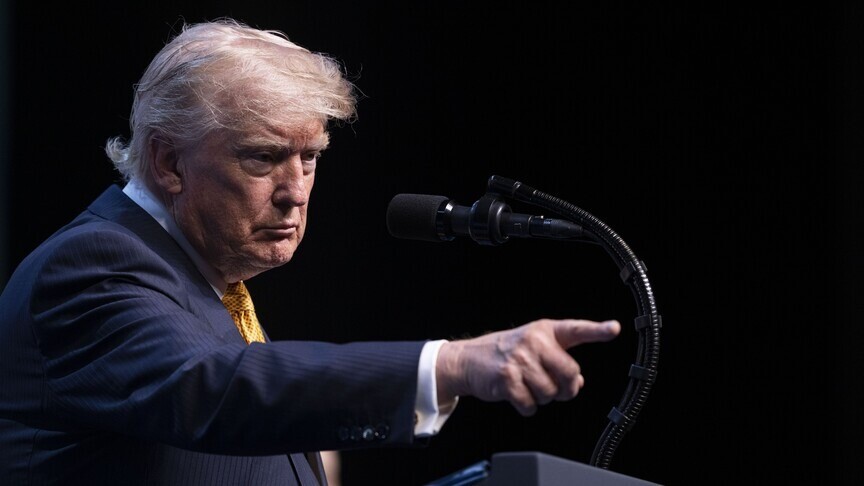
Donald Trump warned China and Russia of 'grave consequences' if they supply arms to Iran, revealing a Chinese pledge to halt arms supply, ahead of an upcoming meeting with the Israeli prime minister in Washington. This position coincides with the arrival of an Omani delegation in Tehran to discuss the security of the Strait of Hormuz.
Araghchi warns of repercussions of seizing states' assets as 'dangerous precedent', Washington continues its night strikes on Iran
Published on July 24, 2026, at 00:40 GMT.
These developments come amid escalating tensions in the Middle East that directly impact the security of international navigation in vital waterways.
Last updated 4 minutes ago
Reading time: 4 minutes
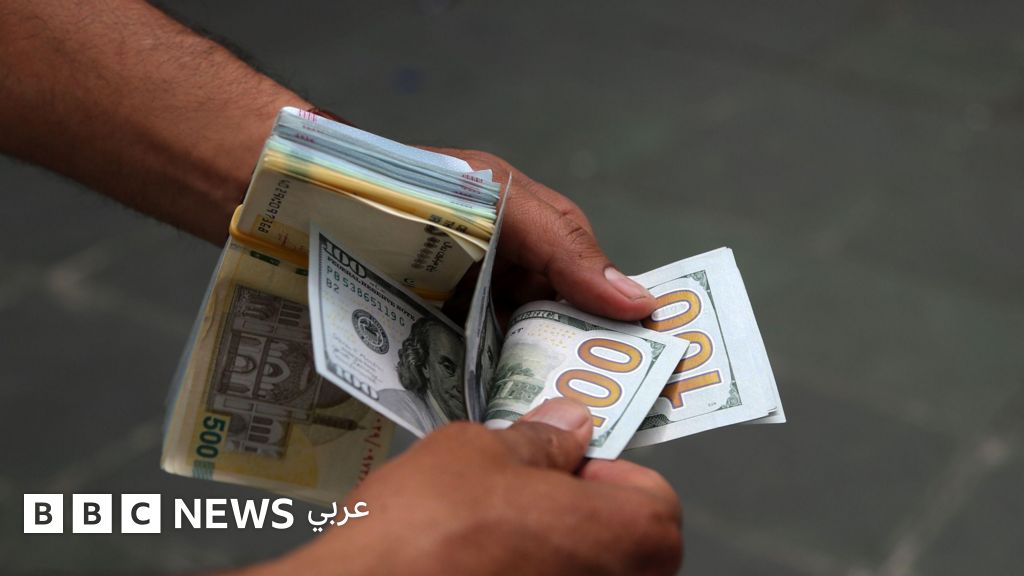
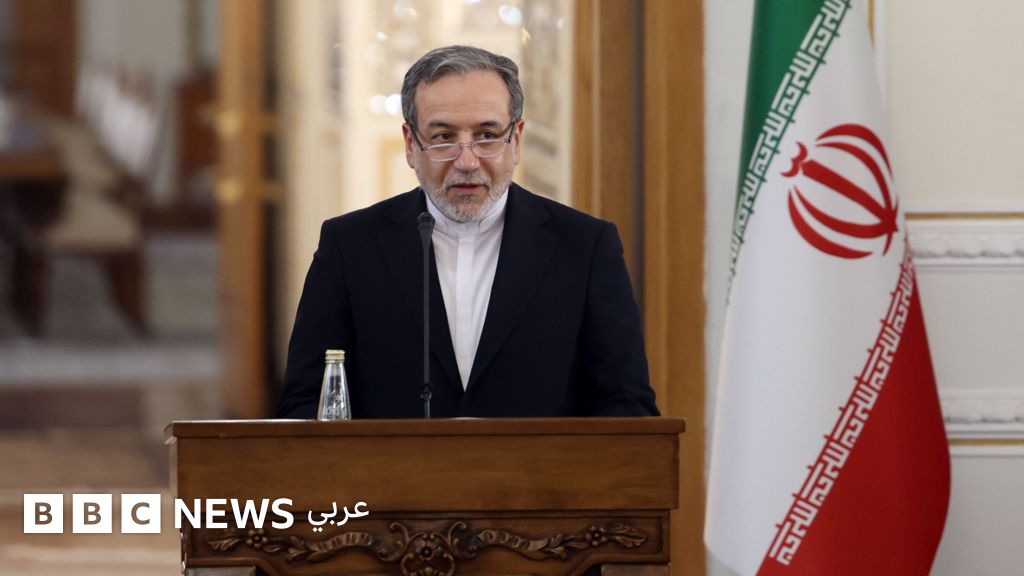
Iranian Foreign Minister Abbas Araghchi issued warnings about the repercussions of seizing states' assets, following statements by US President Donald Trump in which he announced Washington's intention to use frozen Iranian funds to compensate for damages to ships and goods regionally.
Araghchi considered that seizing another country's assets to settle unrelated future claims constitutes a 'dangerous precedent', adding that normalizing this practice would mean that any country's assets would not be safe, and that the resulting chaos 'will not be easy or peaceful'.
Trump had said on his Truth Social platform that any future damage to ships or goods 'will be compensated from Iranian funds that are in the possession and under the control of the United States'.
The US Central Command (CENTCOM) continued its evening raids on targets inside Iranian territory for the thirteenth consecutive day, coinciding with reports from the Iranian Fars news agency about hearing several explosions in the city of Ahvaz in southern Iran.
The command said the strikes targeted military command centers, drone storage facilities, communication networks, coastal surveillance sites, as well as Iranian naval capabilities, aimed at reducing threats that Washington says Tehran poses to civilian sailors and commercial vessels transiting the Strait of Hormuz.
It added that the strait remains open to navigation despite recent attacks attributed to Iran's Revolutionary Guard, noting that commercial ships continue to transit with support from US forces.
Fars agency did not specify the nature of the explosions heard in Ahvaz or the sites that were bombed, and no immediate information was available on casualties or material losses.
In response, Iranian army spokesman Mohammad Akram Nia, according to state television, said that Iranian 'retaliatory' attacks will continue as long as US strikes on the country's infrastructure and coastal areas persist.
Skip most read and continue reading
What is the story of the Egyptian child 'Makari Younan' who was excluded because of his religion?
Why do I constantly wake up at 3 a.m.?
Detective Conan: The detective legend that captivated millions, what do we know about him?
Trump: Nuclear deal with Saudi Arabia hinges on recognition of Israel
Kuwait announces interception of Iranian attacks
In the latest extension of confrontations to regional countries, the Kuwaiti army announced Thursday evening that air defenses intercepted Iranian missile and drone attacks, following sirens and sounds of explosions.
The army noted on platform X that the sounds of explosions heard in the country 'were caused by air defense systems intercepting hostile attacks', while Kuwait earlier announced that one of its border sites with Iraq was attacked by a drone, which it said resulted in no injuries.
Trump threatens Iran and Houthis
US President Donald Trump threatened Iran and the Houthi group in Yemen with 'major military punishment', saying Washington will hold Tehran responsible for Houthi attacks on ships.
Trump's statements came after the Houthis announced a blockade on Saudi ports, claiming they targeted the oil tankers 'Incilia' and 'Layla' with missiles and drones in the Red Sea.
Saudi Arabia confirmed that 'Incilia' was attacked, without commenting on the second tanker.
The UK Maritime Trade Operations (UKMTO) said the master of a tanker reported being hit by an unknown projectile about 70 nautical miles southwest of Al Shaqiq, causing a fire.
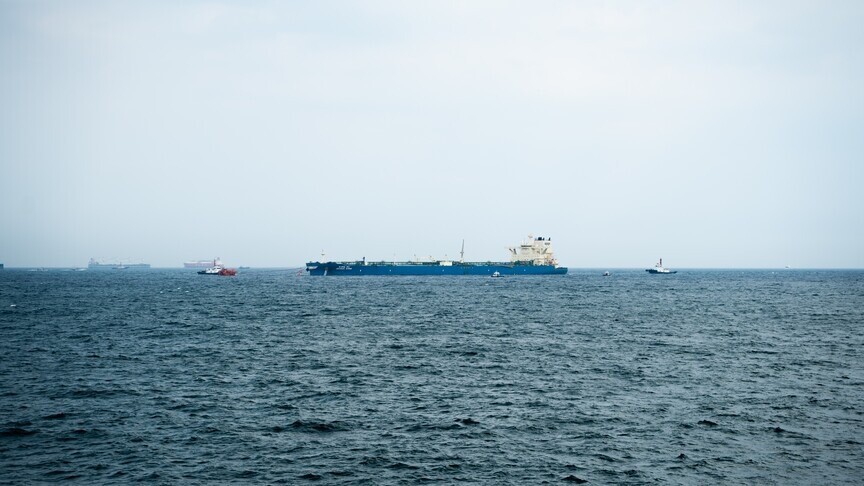
In the Strait of Hormuz, Iran's Revolutionary Guard said it prevented three oil tankers from transiting, amid competition between Iranian forces and the US Navy to control the passage that once saw about a fifth of global oil supplies pass through.
Why does Iran risk so much for the Strait of Hormuz?
What drives Iran to war again? - Financial Times
Saudi Arabia seeks a longer route for oil exports
Skip podcast and continue reading
Worth paying attention
In-depth explanation of the most prominent events and topics, to help you understand the key changes around you and their impact on your life
Episodes
Podcast end
The disruption of navigation in the Strait of Hormuz and Bab el-Mandeb has narrowed Saudi Arabia's oil export options, which may push it to increase reliance on the Suez Canal, before sending shipments around the Cape of Good Hope to reach buyers in Asia.
According to data from companies Kepler and LS EG, the journey from the Saudi port of Yanbu to Taiwan via Bab el-Mandeb takes about 19 days, compared to about 48 days if the tanker crosses the Suez Canal, the Mediterranean Sea, and the Strait of Gibraltar, then goes around Africa.
The longer route is expected to raise the fuel cost for the journey from about $1.26 million to $2.87 million, according to Reuters calculations based on LS EG data, plus about $1 million in Suez Canal transit fees.
Large tankers may have to cross the canal with partial loads due to draft restrictions, then top up their cargo in the Mediterranean Sea.
Saudi Arabia can benefit from the Egyptian SUMED pipeline, which extends about 320 km between Ain Sokhna on the Red Sea and Sidi Kerir on the Mediterranean, with a capacity of up to 2.5 million barrels per day.
Skip short clips and continue
Short clips
End of short clips
Trump: Nuclear deal with Saudi Arabia hinges on recognition of Israel6 hours ago
Families of 120 Iranian children killed in US strike ask: 'What was their crime?'7 hours ago
Where is the escalation between the Houthis and Saudi Arabia heading?23 July 2026
These events underscore the sensitivity of the security and economic situation in vital waterways such as the Strait of Hormuz, which is of critical importance to global energy trade. Observers continue to anticipate the impact of these mutual military operations and financial decisions on the stability of international maritime shipping. These developments also highlight the risks associated with freezing sovereign assets and their potential effects on the global financial system. The political and diplomatic repercussions of this escalation are expected to continue influencing regional and international relations in the coming period.
Original source: BBC Arabic
Comments (0)
Be the first to comment.