Trump Says Iran Only Understands Force, Leans Toward Revenge
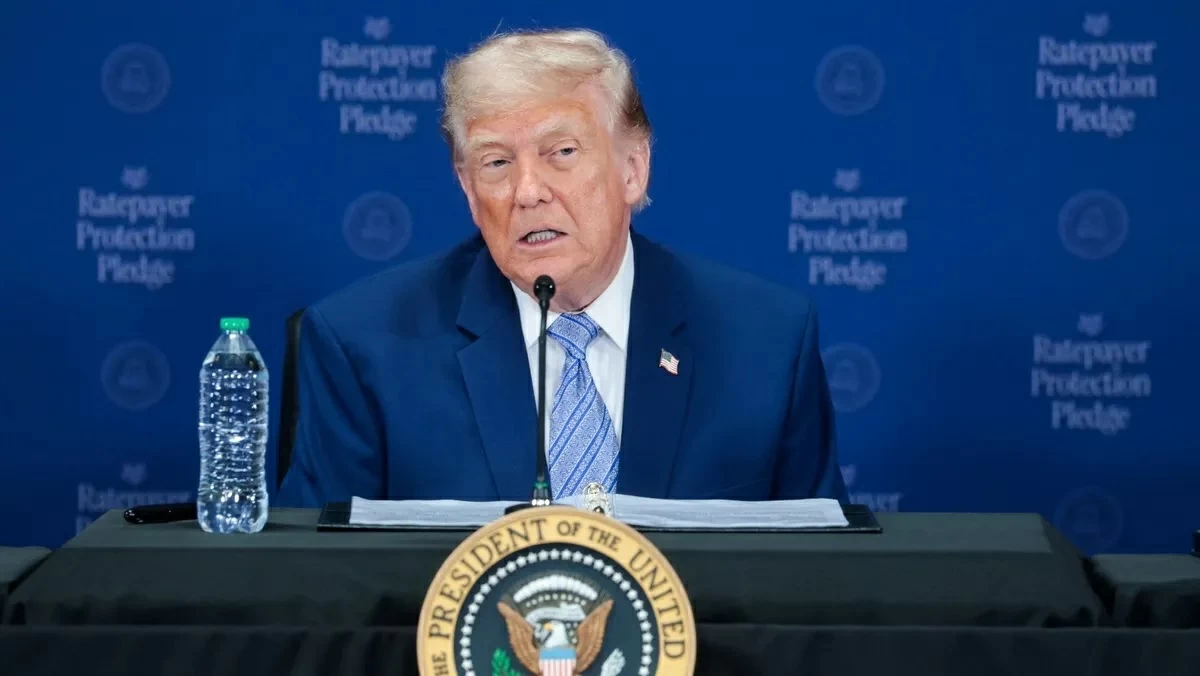
The Wall Street Journal reported that U.S. President Donald Trump has become more skeptical about the viability of the diplomatic path with Iran and is leaning towards adopting a more hardline approach that includes continuing military strikes. The newspaper quoted an American official confirming that Trump launched a scathing attack on Iranian leaders during a recent meeting in the Oval Office, describing them as 'crazy,' and emphasized that Iran 'only understands military power.' The official added that Trump sees himself in a state of 'revenge' against Iran and does not believe there are better options than continuing military strikes. The newspaper quoted sources...
The Wall Street Journal confirmed that U.S. President Donald Trump has become more skeptical about the effectiveness of the diplomatic path with Iran and is leaning towards adopting a more hardline approach that includes continuing military strikes.
The newspaper quoted an American official confirming that Trump launched a scathing attack on Iranian leaders during a recent meeting held in the Oval Office, describing them as "crazy," and emphasized that Iran "only understands military power." The official added that Trump sees himself in a state of "revenge" against Iran and does not believe there are better options than continuing military strikes. The newspaper reported that American sources stated that the war has left personal impacts on Trump and several of his senior advisors, amid intelligence warnings of Iranian threats to assassinate them. Meanwhile, two American sources reported that envoys Jared Kushner and Steve Witkoff still believe in the possibility of reaching an agreement with Iran, despite the diminishing chances of the diplomatic path. The U.S. Central Command (CENTCOM) announced the completion of the thirteenth consecutive night of military operations against targets inside Iran, as part of a campaign that Washington claims aims to reduce the threats posed by Tehran to commercial shipping in the Strait of Hormuz. CENTCOM mentioned that this wave of strikes lasted for more than two hours. The U.S. military announced late Thursday-Friday that it had begun launching attacks on Iran for the thirteenth consecutive night. A statement from the U.S. Central Command on the X platform indicated that "U.S. forces began a new night of strikes against Iranian military targets at 6:45 PM Eastern Time today (22:45 GMT)." It added that these "strikes aim to hold Iran accountable and reduce the threats posed by the Revolutionary Guard to commercial shipping." It confirmed that the strikes were designed "to further weaken Iran's ability to threaten civilian sailors and commercial vessels transiting through the territorial waters," as the United States pressures to regain control over the Strait of Hormuz and restore the flow of international shipping.
Original source: Okaz




Comments (0)
Be the first to comment.