Trump Threatens: Strike a Facility for Every Attack in 'Hormuz'
International
Trump Threatens: Strike a Facility for Every Attack in 'Hormuz'
Tehran - Washington - Follow-up
Date of Publication: July 23, 2026 01:22 KSA
Rubio: We Negotiate Condition of Seriousness; Baqaei: Mediation Still Ongoing
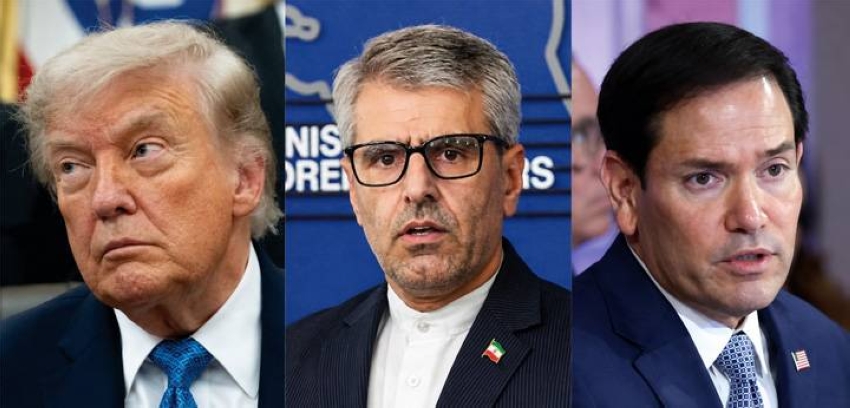
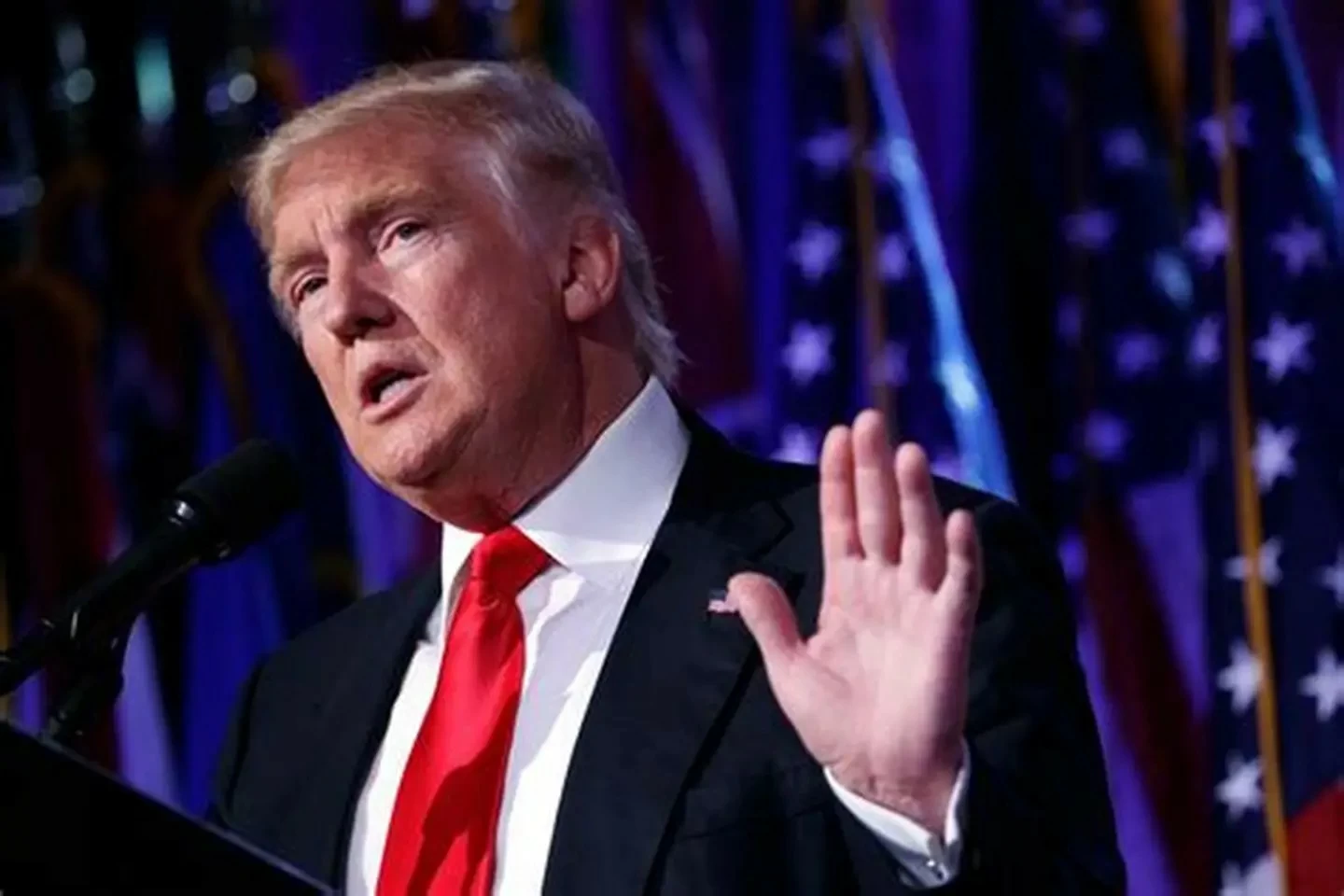
US President Donald Trump threatened on Wednesday to destroy a bridge or a power plant in Iran for every new attack on a ship in the Strait of Hormuz, a week after US strikes targeted land supply routes to the strait. Trump said in a post on his platform 'Truth Social': 'From this moment forward, every time the Islamic Republic of Iran fires on a ship in the Strait of Hormuz, whether with a missile, shell, drone, or any other tool or weapon, the United States will bomb and destroy one bridge or one power plant, including those located near Tehran or inside the capital.' New US strikes activated air defense systems in Tehran on Wednesday, after President Donald Trump warned that the war was not over with Iran, which has cost his country $37.5 billion.
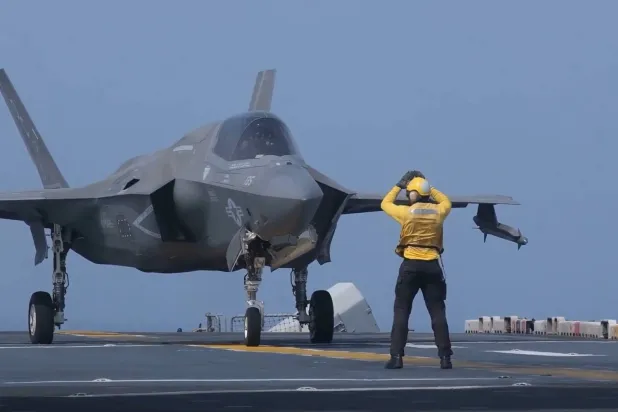
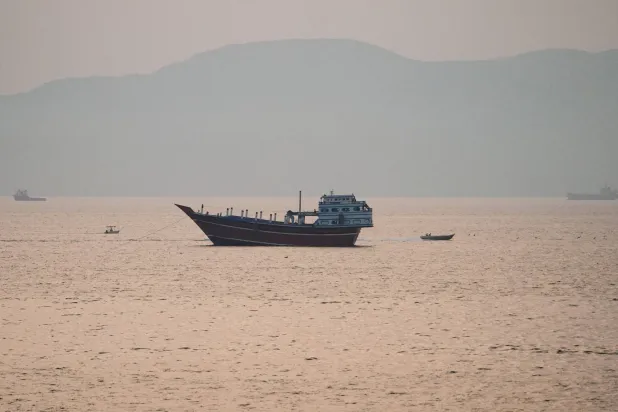
After the conflict between the two warring countries over the strategic Strait of Hormuz led to the collapse of an initial agreement, the war in the Middle East expanded to include another major axis in the region for global oil supplies. Nevertheless, US Secretary of State Marco Rubio reaffirmed Washington's readiness to use diplomacy to reach an agreement with Tehran. Rubio said during a meeting of Southeast Asian ministers in Manila, 'The problem we face now is that they are not engaging in negotiations seriously.' Reuters quoted Rubio as saying that the blockade of international waterways represents 'a very dangerous precedent' that could be repeated in other parts of the world, including Asia, warning that such developments threaten the global economy, supply chains, and international trade. Rubio's remarks come as the United States continues to escalate its military operations against Iran, as US Central Command announced the completion of the eleventh consecutive night of strikes targeting military operations centers, naval facilities, and aircraft and drone hangars, aimed at undermining capabilities that Washington says are used to threaten navigation in the Strait of Hormuz. Meanwhile, Iranian Foreign Ministry spokesman Ismail Baqaei stated that diplomatic contacts with Washington through mediators are still ongoing. For its part, the Jordanian Armed Forces announced on Wednesday that air defense systems and the Royal Jordanian Air Force managed to intercept and shoot down missiles and drones coming from Iranian territory that were targeting the kingdom's airspace. A responsible military source said that air defenses detected six missiles coming from Iranian territory and dealt with them immediately upon entering Jordanian airspace, intercepting and shooting down four of them, while the other two missiles fell in two remote uninhabited areas, with no casualties or material damage reported, according to the Jordan News Agency 'Petra'. The source added that 'the Royal Air Force intercepted and shot down four drones coming from Iran that targeted the kingdom's territory,' confirming that the interceptions resulted in no human or material losses. The latest round of attacks in the Middle East included US forces targeting sites including 'military logistics infrastructure,' while Iranian state media reported strikes in various parts of the country, including the city of Bushehr, which houses a nuclear power plant. Iranian state television posted on Telegram on Wednesday morning: 'News sources reported minutes ago hearing air defense activity in west, east, and northeast Tehran.' As the war approaches its fifth month and the November midterm congressional elections near, Trump faces intense political pressure to end the war, which is unpopular even among his base. Critics of the war point to its cost, which Defense Secretary Pete Hegseth said on Tuesday had risen to $37.5 billion, as he defended a request for billions of dollars in additional military funding. Trump had earlier stated that the next US target could be a nuclear complex known as 'Mount Ax,' an underground nuclear site near Natanz, where Western intelligence agencies suspect Iran is building an undeclared uranium enrichment facility. In response, Iran threatened a retaliatory response; the Khatam al-Anbiya headquarters, the central operations room of Iranian forces, stated that it would consider any such attack as an expansion of the war in the region, vowing to launch strikes targeting all interests of the United States, its allies, and its supporters, according to the Islamic Republic of Iran Broadcasting (IRIB). Two weeks after the resumption of fighting between the two archrivals, Trump said Iran would need more than twenty years to recover from the damage inflicted by the ongoing war in the Middle East. Trump said, 'If we leave now, Iran will need between 20 and 25 years to rebuild. But we have not finished our work at all... We will not leave now.' In turn, the Kuwaiti army announced on Wednesday that its air defenses were repelling drone attacks originating from Iran, in the latest episode in a series of retaliatory responses by Tehran. Bahrain also reported on Tuesday that it had intercepted Iranian attacks amid repeated sounding of sirens, while both Kuwait and Jordan confirmed they had intercepted drone and missile attacks. Trump said he would deal firmly with the Iran-backed Houthi rebels in Yemen if they carried out their threat, made on Monday, to impose a blockade on Saudi ports. The United Kingdom Maritime Trade Operations (UKMTO) had earlier reported that an 'unknown projectile' struck a tanker off the coast of Oman.
Trump Hormuz Iran Trump missiles air defenses aircraft
Original source: Al-Madina

Comments (0)
Be the first to comment.