UNESCO Inscribes Tyre Archaeological Sites on List of World Heritage in Danger
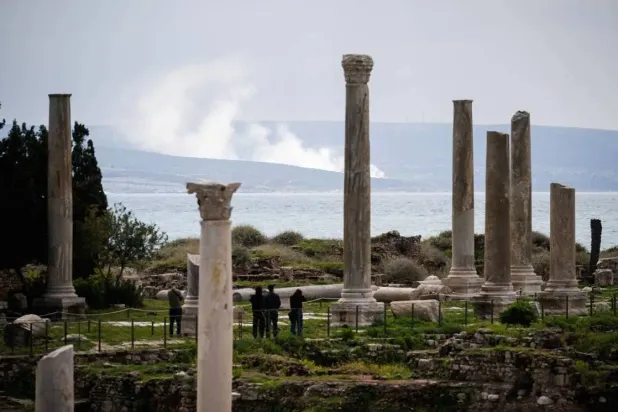
The United Nations Educational, Scientific and Cultural Organization (UNESCO) on Tuesday added the ancient Phoenician city of Tyre in southern Lebanon, which has been a target of Israeli shelling in recent months, to its list of World Heritage in Danger, according to a statement by the organization on platform X.
Breaking: New inscription on UNESCO's #WorldHeritage in Danger list: Tyre, #Lebanon ➡️ https://t.co/OrelrlDDuW #48WHC pic.twitter.com/F1tEaH8Rpr
— UNESCO (@UNESCOarabic) July 22, 2026
A UNESCO note, as its World Heritage Committee holds its 48th session in the South Korean city of Busan, observed that the Tyre archaeological site has 'suffered direct hits and damage, and its state of conservation is a cause for growing concern, particularly in light of the possibility of further damage,' according to Agence France-Presse.
The UN organization added that 'the optimal conditions are no longer available to ensure the preservation and protection of the site's outstanding universal value,' clarifying that the request for its inscription on the list of heritage in danger was submitted by the Lebanese state.
Tyre is located on the southern coast of Lebanon, about twenty kilometers from the border with Israel, and is one of the oldest cities in the Mediterranean region. A large number of its residents have fled after evacuation warnings issued by the Israeli army.
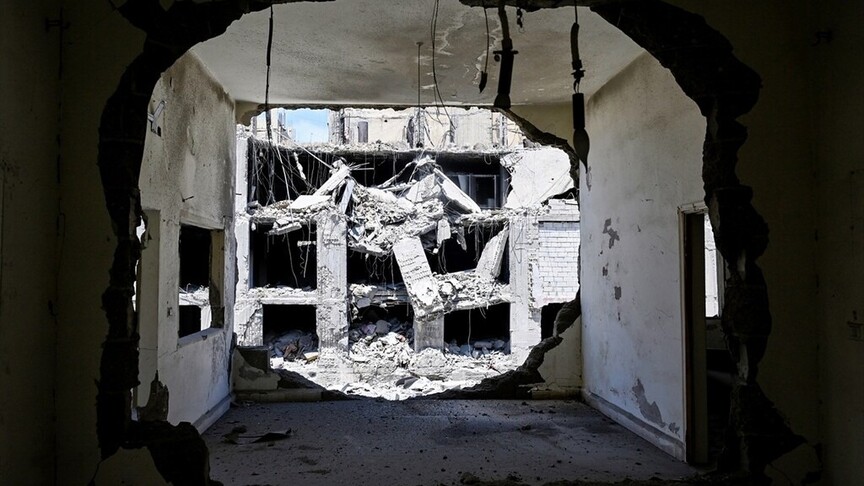
From the ruins of the Lebanese city of Tyre (Reuters)
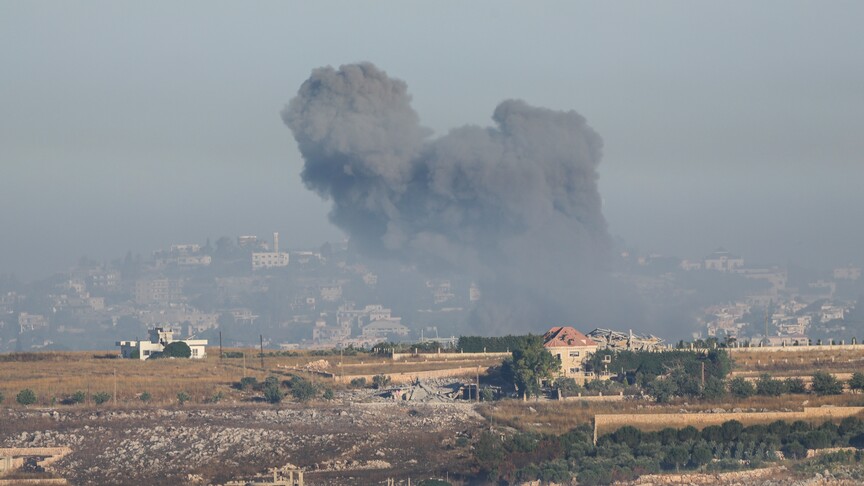
The city has been subjected to Israeli strikes since the beginning of the war with the Iran-backed Hezbollah on March 2.
Tyre contains two protected sites inscribed on UNESCO's World Heritage List, featuring particularly Roman Empire ruins, including a triumphal arch and a horse racing track dating back to the second century AD.
One of these two sites was directly hit by an Israeli strike in June.
Lebanese Minister of Culture Ghassan Salameh accused Israel of violating the 'Hague Convention,' which obliges parties to armed conflicts to preserve cultural sites, and of failing to respect the 'Blue Shields,' symbolic emblems approved by a UNESCO-related committee to protect Lebanese archaeological sites, including Tyre.
Original source: Asharq Al-Awsat




Comments (0)
Be the first to comment.