Lebanon's Tyre placed on endangered heritage list due to Israeli bombardment

أعلنت منظمة اليونسكو إدراج مدينة صور الفينيقية في جنوب لبنان على قائمة التراث المهدد بالخطر، في ظل تصاعد الغارات الإسرائيلية والأضرار المتزايدة التي لحقت بمعالمها التاريخية.
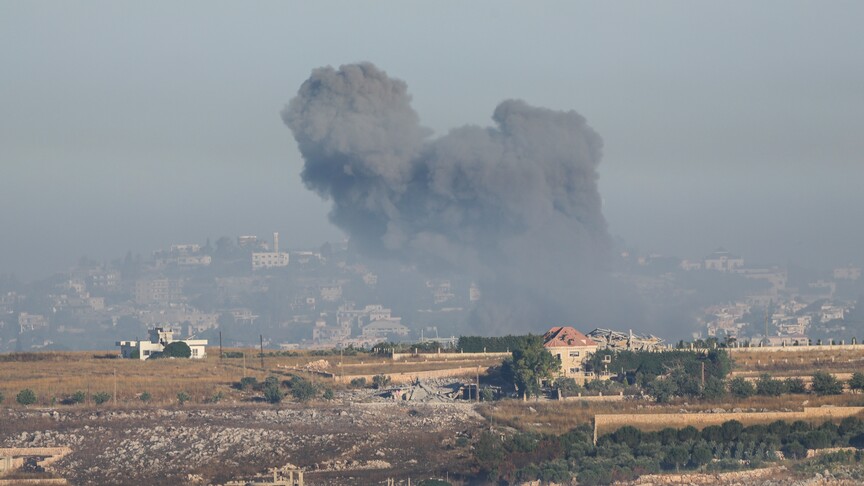
The United Nations Educational, Scientific and Cultural Organization (UNESCO) has added the ancient Phoenician city of Tyre in southern Lebanon to its List of World Heritage in Danger, as the city has been targeted by Israeli shelling in recent months, the organization announced on X.
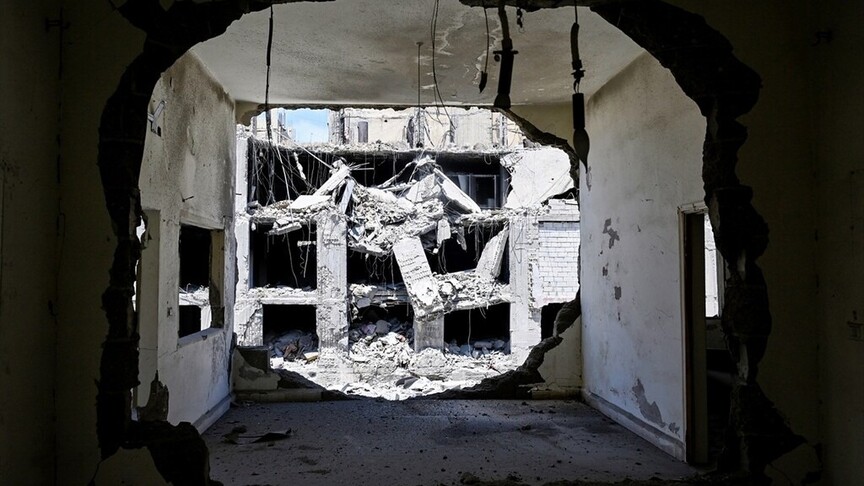
A UNESCO note, as its World Heritage Committee holds its 48th session in Busan, South Korea, observed that the archaeological site of Tyre has suffered direct hits and damage, and its state of conservation is causing growing concern, especially given the possibility of further damage.
Related news
The UN organization added that optimal conditions are no longer available to ensure the preservation and protection of the site's outstanding universal value, explaining that the request for its inclusion on the list of endangered heritage was submitted by the Lebanese state.
Lebanese welcome for the decision
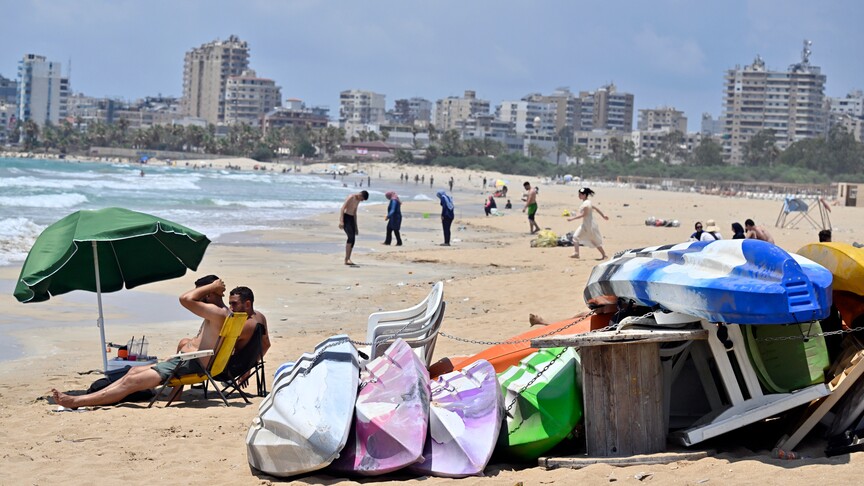
Lebanese Culture Minister Ghassan Salameh welcomed the decision, saying it reinforces UNESCO's and member states' concern about a site of great importance in the history of a region currently witnessing conflicts. Tyre is located on the southern coast of Lebanon, about 20 kilometers from the border with occupied Palestine, and is one of the oldest cities in the Mediterranean world, having been inscribed on UNESCO's World Heritage List in 1984. Throughout its history, it has been influenced by Phoenician, Persian, Hellenistic, Roman, and Byzantine civilizations. The city has been subjected to Israeli strikes since the start of the war with Iran-backed Hezbollah on March 2.
Ruins of the Roman Empire
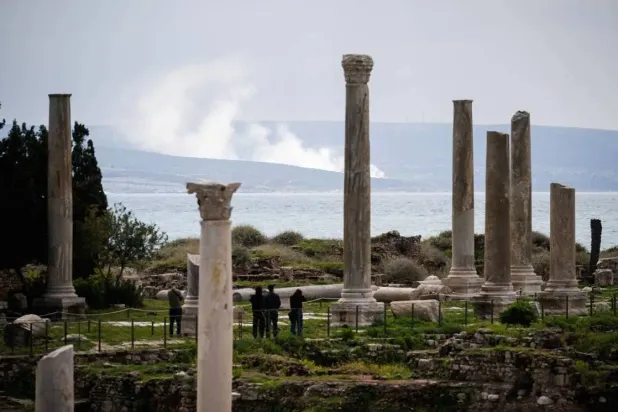
Tyre, founded about 4,700 years ago, includes two protected sites inscribed on UNESCO's World Heritage List, which contain particularly ruins of the Roman Empire, including a triumphal arch and a horse racing track dating back to the second century AD. One of these two sites was directly hit by an Israeli strike in June. A Culture Ministry official at the time said that shrapnel from raids in the vicinity of the site hit archaeological elements, including columns, capitals, and mosaic pieces. Earlier this year, Salameh accused Israel of violating the Hague Convention, which obliges parties to armed conflicts to preserve cultural sites, and of not respecting the 'Blue Shields,' symbolic emblems approved by a UNESCO-related committee to protect Lebanese archaeological sites, including Tyre.
Original source: Al-Yaum


Comments (0)
Be the first to comment.