UNESCO inscribes Lebanese Tyre archaeological site on List of World Heritage in Danger
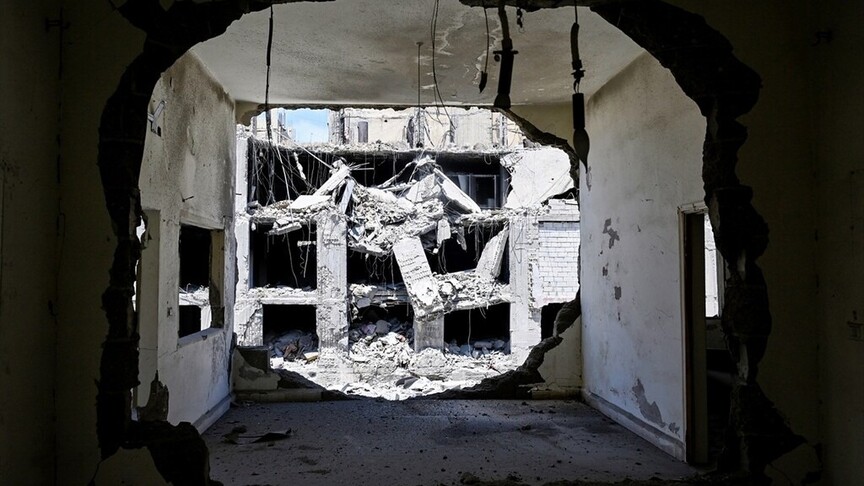
The decision was based on direct damage to the site from an Israeli strike on June 7, and the continued risk of attacks and lack of safe access to assess the damage
ISTANBUL / AA
The World Heritage Committee of the United Nations Educational, Scientific and Cultural Organization (UNESCO) on Tuesday inscribed the ancient city of Tyre in southern Lebanon on the List of World Heritage in Danger, due to direct damage to its archaeological site and ongoing threats from Israeli attacks.
This came during the 48th session of the World Heritage Committee, held in Busan, South Korea, following a request by the Lebanese government to strengthen international protection mechanisms for the site.
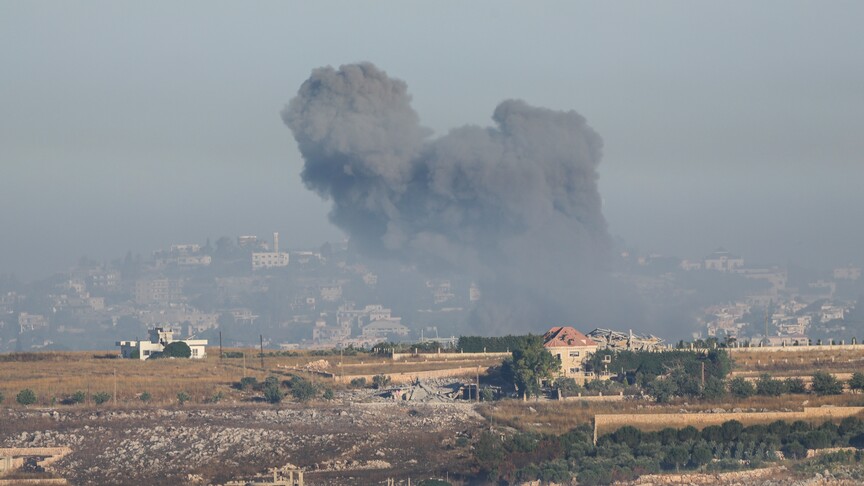
The city of Tyre and other areas in southern Lebanon have been subjected to ongoing Israeli attacks since the escalation of the war in March 2026, resulting in damage to civilian and historical sites and the displacement of residents from wide areas.
The committee said in its decision that the ongoing hostilities in Lebanon "continue to pose a threat to the site and cause damage to it."
It added that the conditions necessary to ensure the conservation and protection of the "outstanding universal value" of Tyre's archaeological site are no longer present, and that the site now faces an "actual and potential danger," according to the criteria for inscribing sites on the List of World Heritage in Danger.
Documents referenced in the decision showed that Lebanese authorities informed UNESCO that the area at the entrance of one component of the archaeological site was struck on June 7 last.
The strike caused damage to a historic building, adjacent electricity generators, offices of the General Directorate of Antiquities, and the southeastern sector of the archaeological site.
Archaeological elements in the vicinity of the strike were also damaged, including columns, capitals, and mosaic panels, as well as archaeological structures inside the site that require a comprehensive field assessment.
According to the document, the relevant authorities were unable to determine the full extent of the damage due to the security situation and the lack of safe access to parts of the site.
The Lebanese authorities also reported that the damage extended to archaeological storage facilities containing collections and documents related to the site.
On June 17, the Lebanese Minister of Culture asked UNESCO to inscribe the Tyre archaeological site on the List of World Heritage in Danger, pointing to repeated attacks on the site and the gravity of the surrounding situation.
Actual and potential danger
The World Heritage Center, which serves as UNESCO's technical and administrative secretariat, along with the International Council on Monuments and Sites (ICOMOS) and the International Centre for the Study of the Preservation and Restoration of Cultural Property (ICCROM), both advisory bodies to UNESCO, concluded that the documented damage constitutes an "actual danger" to the site.
The three bodies also deemed that the continued fragility of the security situation and the possibility of further strikes represent a "potential danger" threatening the outstanding universal value of Tyre's archaeological site.
They noted that the site is located in an area that has been subject to ongoing evacuation orders within the city of Tyre, increasing the risk of further damage.
They added that security conditions prevent safe access to the site to monitor and assess damage and carry out urgent preventive interventions.
The World Heritage Committee called on all parties involved in hostilities to refrain from any action that could cause further damage to the site, to comply with international law, and to take possible measures to protect it.
The committee reminded that states parties to the World Heritage Convention are obliged not to take deliberate actions that directly or indirectly damage World Heritage sites located in the territory of other states.
International mission to assess damage
The committee requested the Lebanese government to invite a joint monitoring mission from the World Heritage Center and ICOMOS, as soon as field conditions permit.
The mission is expected to assess the condition of the site, identify required corrective measures, establish a timeline for their implementation, and define the desired state that would allow the future removal of Tyre from the List of World Heritage in Danger.
The committee also requested Lebanon to submit an updated report to the World Heritage Center by February 1, 2027, on the state of the site and the measures taken to protect it, to be reviewed at the committee's 49th session.
The Tyre archaeological site has been subject to UNESCO's reactive monitoring mechanism since 1992.
During its previous session in 2025, the World Heritage Committee expressed concern over damage to the site and its surroundings due to hostilities, and called for urgent repairs and detailed structural assessments when conditions allow.
Since November 2024, the archaeological sites in Tyre have been temporarily listed on the International List of Cultural Property under Enhanced Protection, under the Second Protocol to the 1954 Hague Convention for the Protection of Cultural Property in the Event of Armed Conflict.
The city of Tyre contains two archaeological sites inscribed on the World Heritage List since 1984, encompassing remains from multiple civilizations, including Phoenician and Roman periods.
The city's landmarks include a triumphal arch, a Roman road, a horse racing track dating back to the 2nd century AD, along with columns, mosaics, and other archaeological structures.
For his part, Lebanese Minister of Culture Ghassan Salameh expressed his gratitude to UNESCO and the World Heritage Committee for inscribing the Tyre archaeological site and its surroundings on the list of endangered sites.
He wrote on his X account: "All thanks to the World Heritage Committee which today, upon the request of the Lebanese government, inscribed the Tyre archaeological site on the list of endangered sites."
He added that "this inscription will direct the attention of UNESCO and member states to a site of great importance in the history of the region, which is currently witnessing conflicts that could cause damage to it."
Since March 2, 2026, Israel has continued its aggression on Lebanon, resulting in 4,328 deaths and 12,230 injuries, according to the Lebanese Ministry of Health, while it still occupies areas in the south of the country despite the agreement.
Israel still occupies areas in southern Lebanon, some for decades and others since the confrontations the country witnessed between 2023 and 2024, and it has advanced more than 10 kilometers into Lebanese territory during the current aggression.
Original source: Anadolu Agency




Comments (0)
Be the first to comment.