US and Iran: Negotiation Messages Under Fire
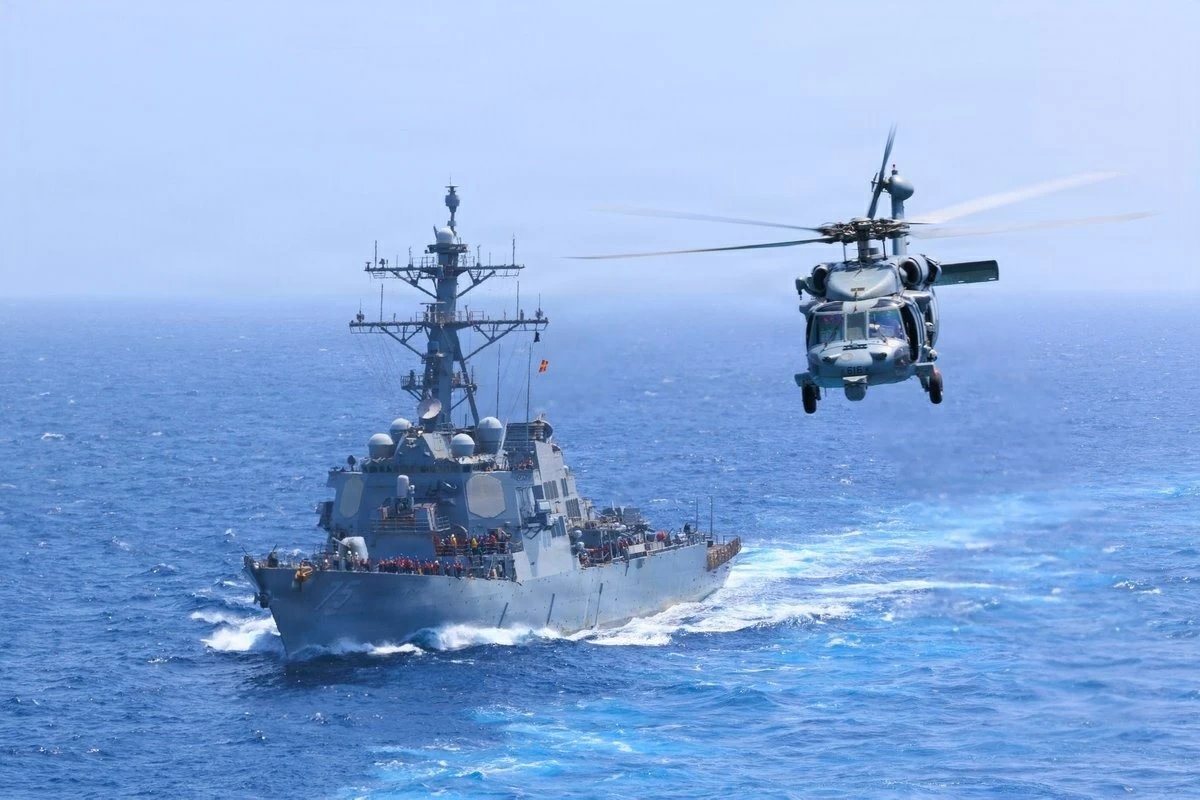
The confrontation between the United States and Iran is intensifying, marked by ongoing military strikes alongside indirect diplomatic mediation. While Washington maintains that negotiations remain possible, Tehran asserts that current conditions are not suitable for talks, balancing a dual strategy of warfare and diplomacy to protect its national interests.
The confrontation between the United States and Iran is heading toward further military escalation, amid ongoing exchanges of strikes in the region, coinciding with indirect diplomatic efforts via intermediaries. Washington maintains that the door to negotiations remains open, while Tehran believes current circumstances do not permit the resumption of talks, despite having received messages through mediation channels.
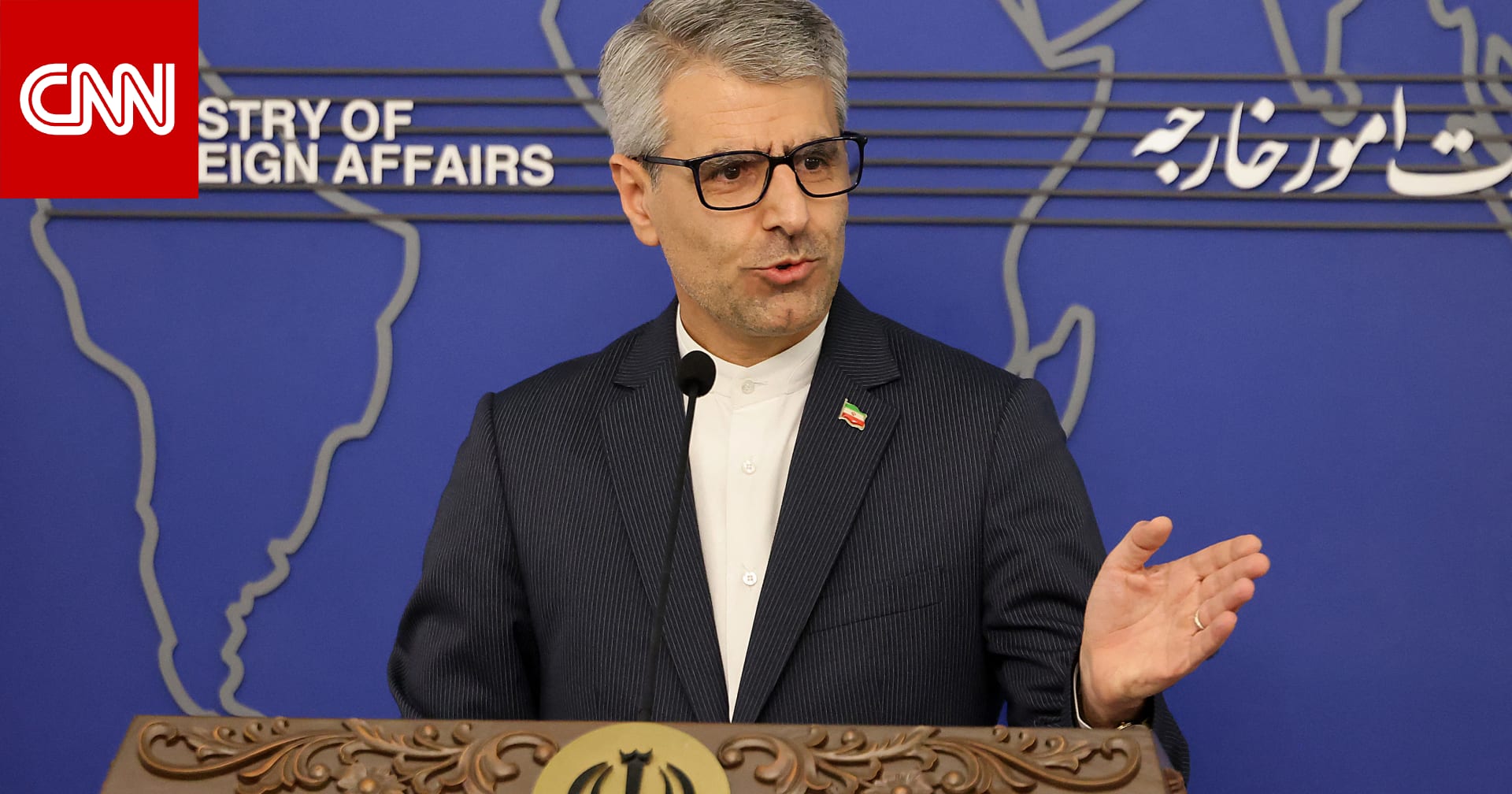
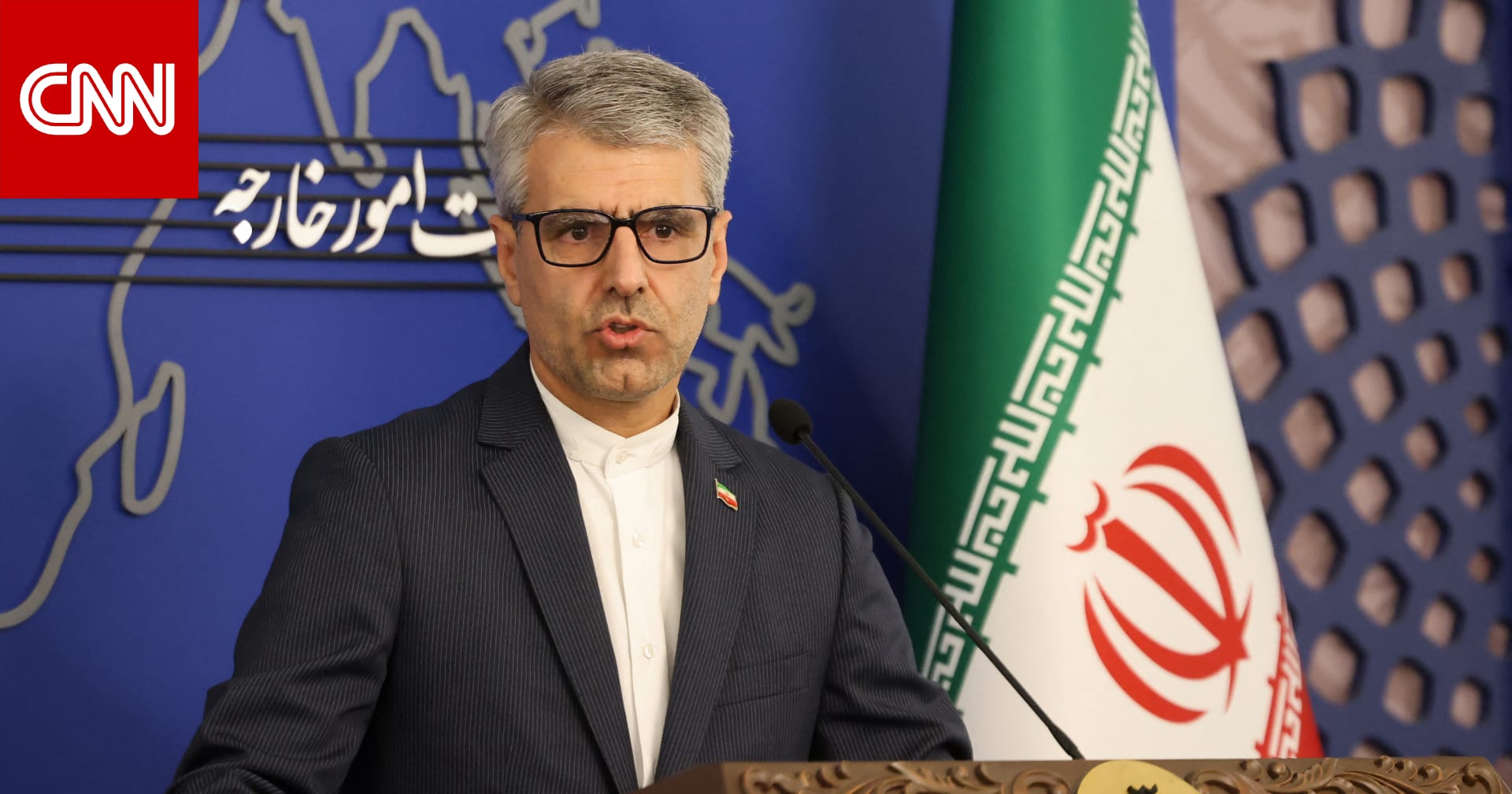
Iranian Foreign Ministry spokesperson Esmail Baghaei stated that his country has received messages through negotiation intermediaries from the United States in recent days, confirming that Tehran will continue both the paths of war and diplomacy to serve its national interests. He added that diplomacy is not a substitute for confrontation, but a tool to achieve national goals alongside other options.
US open to a diplomatic solution
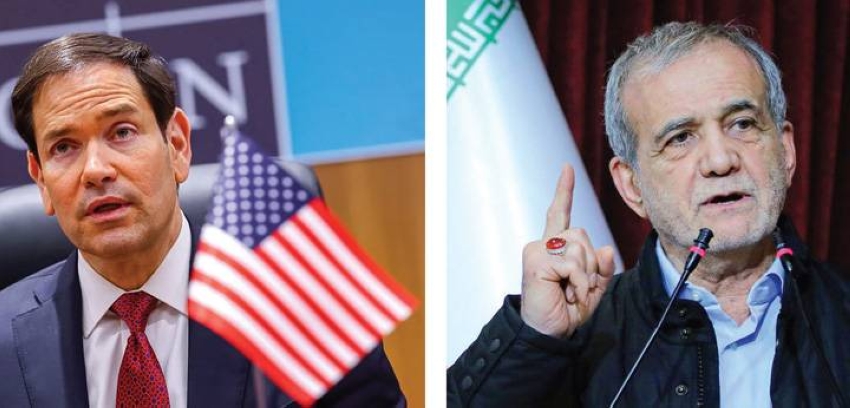
For his part, US Secretary of State Marco Rubio affirmed that the United States remains open to a diplomatic solution, noting that Iran is signaling a desire to negotiate. He stated that the US strikes were a response to Iranian missile and drone attacks against ships in the Strait of Hormuz.
Conversely, Iranian Foreign Minister Abbas Araghchi emphasized that the appropriate timing for negotiations is after achieving "field and strategic gains," arguing that the war should conclude when Iran holds a stronger position, whether through military achievement or negotiations. He explained that Tehran is continuously assessing whether the continuation of fighting will yield additional gains or result in greater losses.
As part of these diplomatic efforts, Iranian Interior Minister Eskandar Momeni has begun a visit to Pakistan, which is leading mediation efforts between Washington and Tehran, to discuss recent regional developments.
Reducing Iranian capabilities
On the ground, US Central Command announced a new wave of strikes targeting military command centers, air defense systems, maritime facilities, missile and drone launch platforms, and communications networks within Iran, aiming to reduce its ability to threaten navigation in the Strait of Hormuz. Tehran has not announced casualty figures, though Iranian media reported explosions in the south and northwest of the country.
US President Donald Trump described the recent strikes as "very powerful" and stated that Iranian military capabilities had sustained significant damage. The US military also announced the death of a soldier in Iraq while intercepting an Iranian drone, bringing the total number of US military personnel killed since the outbreak of the war to 17.
Decline in ship traffic
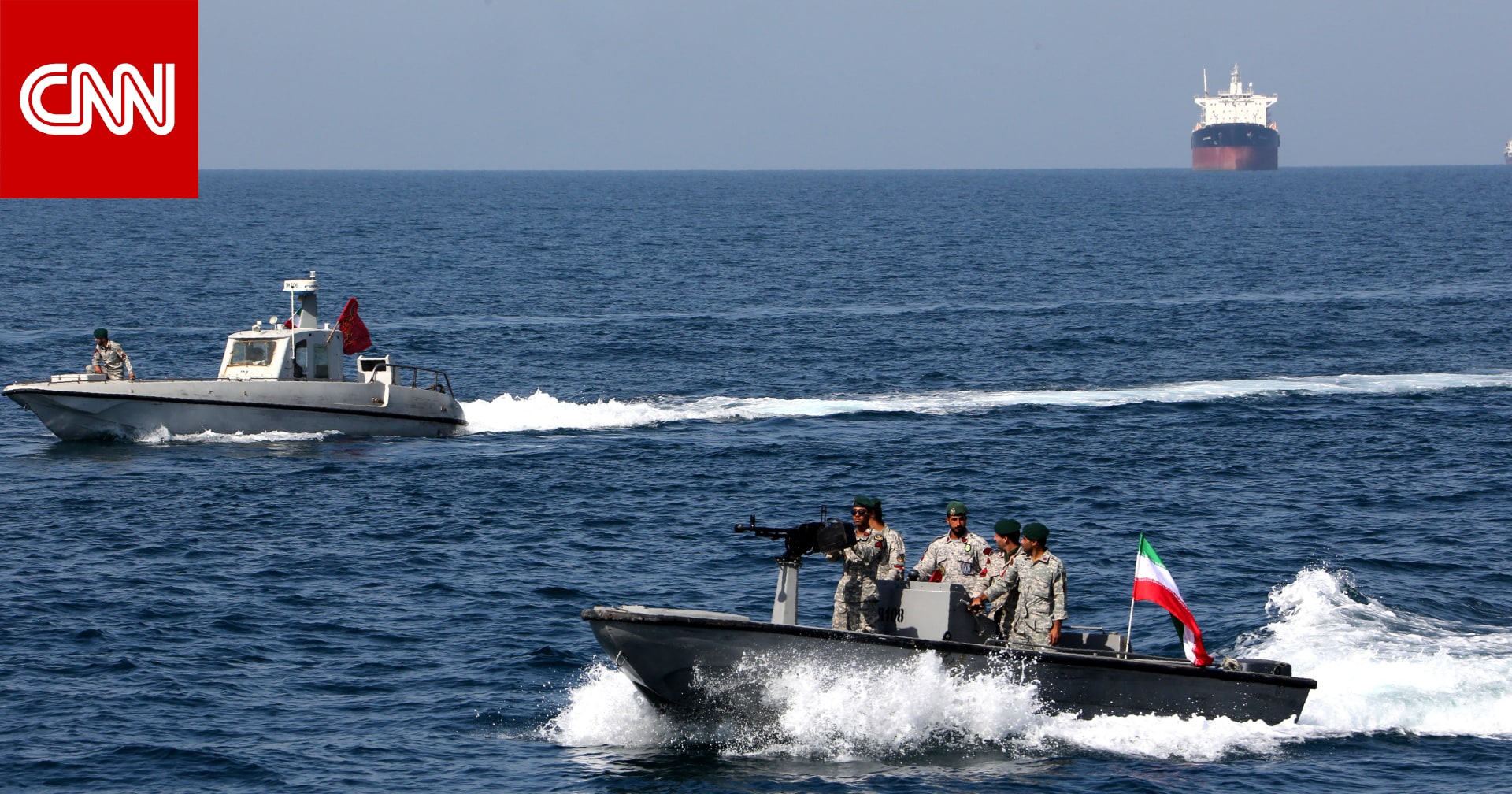
In the Strait of Hormuz, concerns persist regarding maritime security and global energy supplies, with data showing a decline in the number of ships transiting the strait. The United Kingdom Maritime Trade Operations (UKMTO) agency reported an attack on a ship that caused a fire on board, while the Iranian Revolutionary Guard claimed two oil tankers suffered explosions while attempting to traverse the southern route of the strait.
Regarding military preparations, The New York Times revealed that the United States has deployed additional F-16 and F-35 fighter jets, as well as refueling aircraft, to the Middle East as part of a military buildup. The newspaper clarified that these movements began prior to the Iranian attack on US forces in Jordan, but they reflect Washington's readiness for a potential expansion of the confrontation in the coming period.
Original source: Okaz

Comments (0)
Be the first to comment.