US-Saudi Nuclear Agreement Opens Door for Uranium Enrichment in the Kingdom
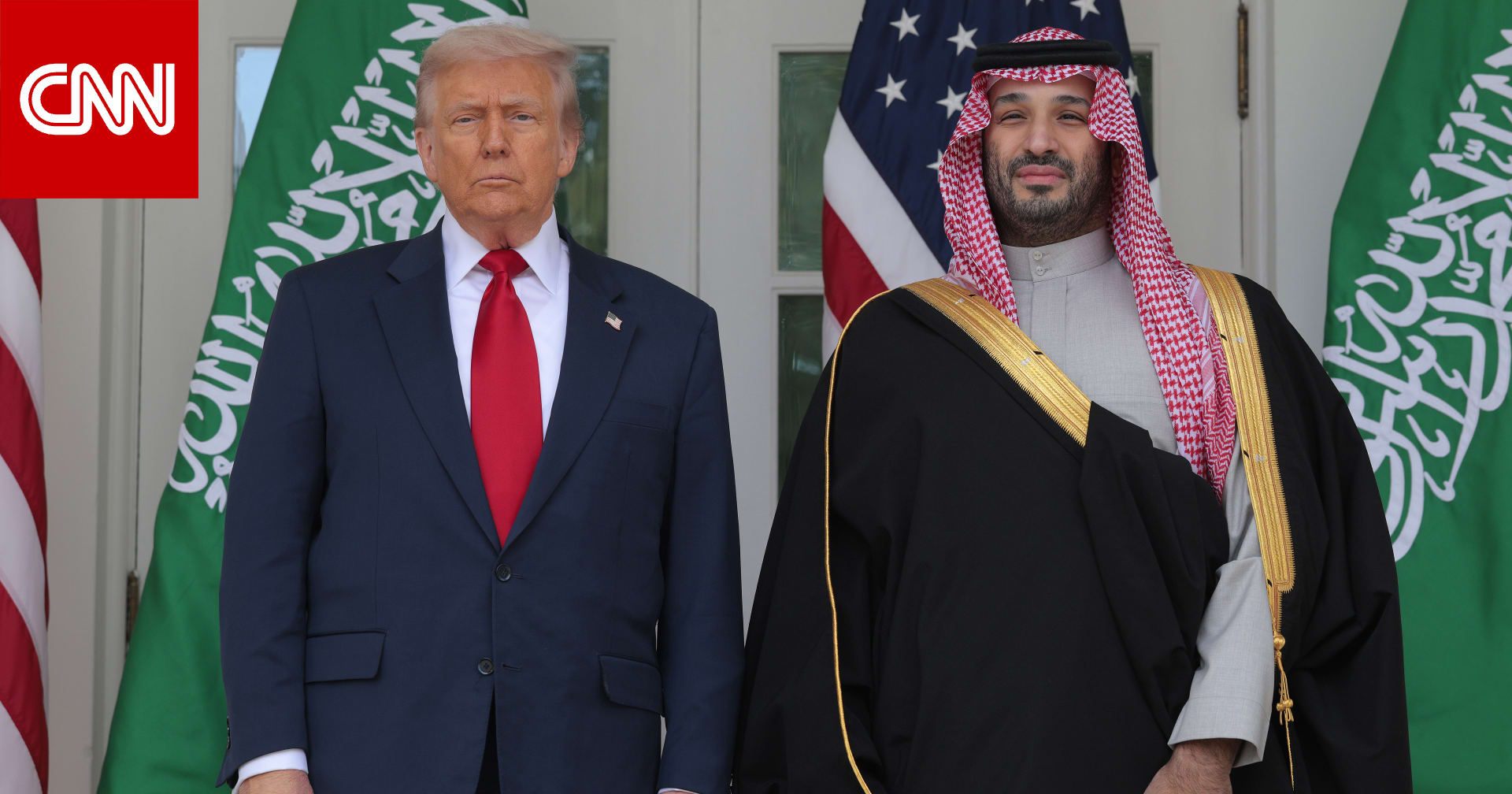
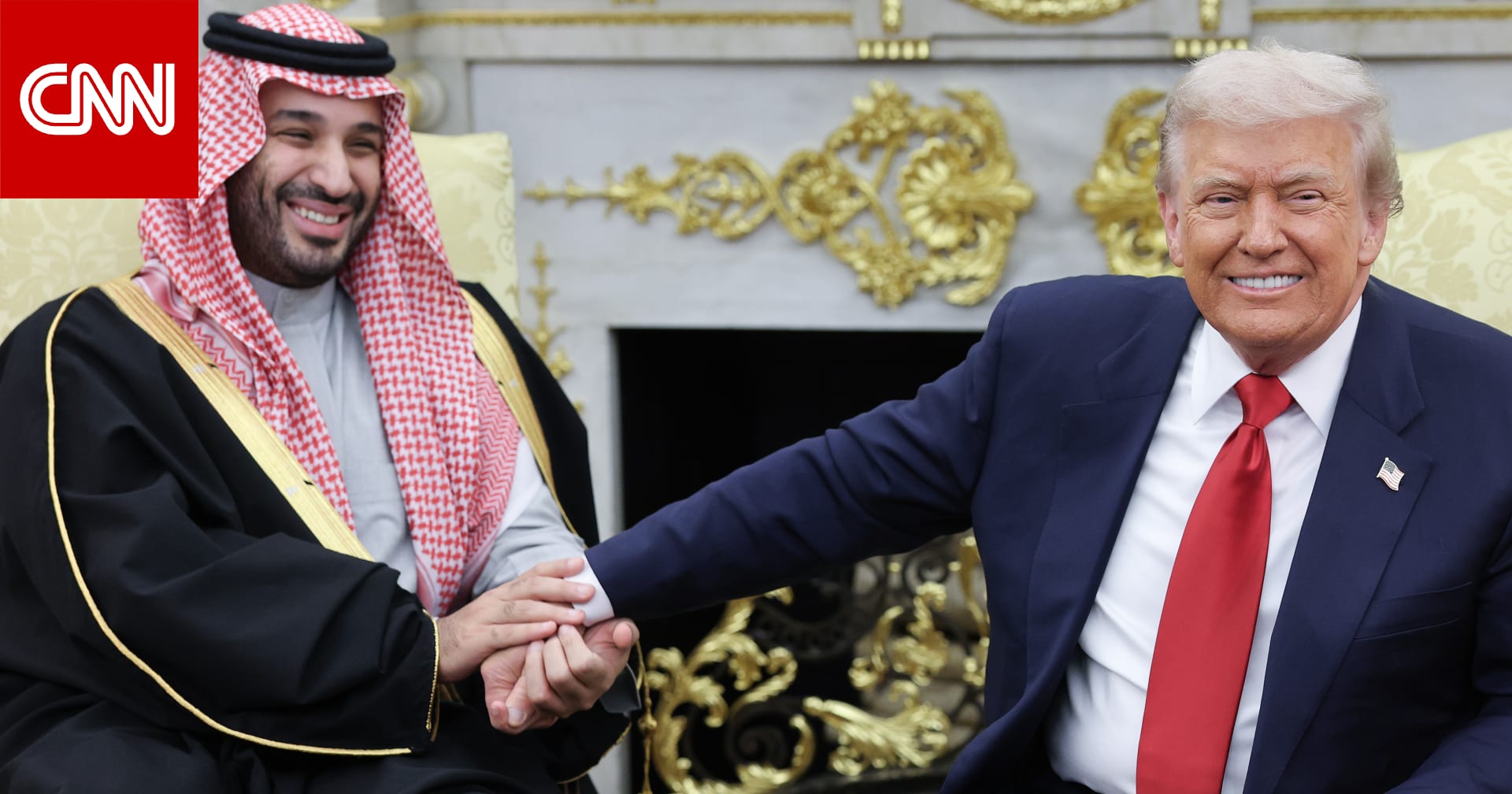
The Trump administration has approved a nuclear agreement with Saudi Arabia that allows the kingdom to produce enriched nuclear fuel for civilian reactors without committing to intensive international inspection protocols, according to US officials.
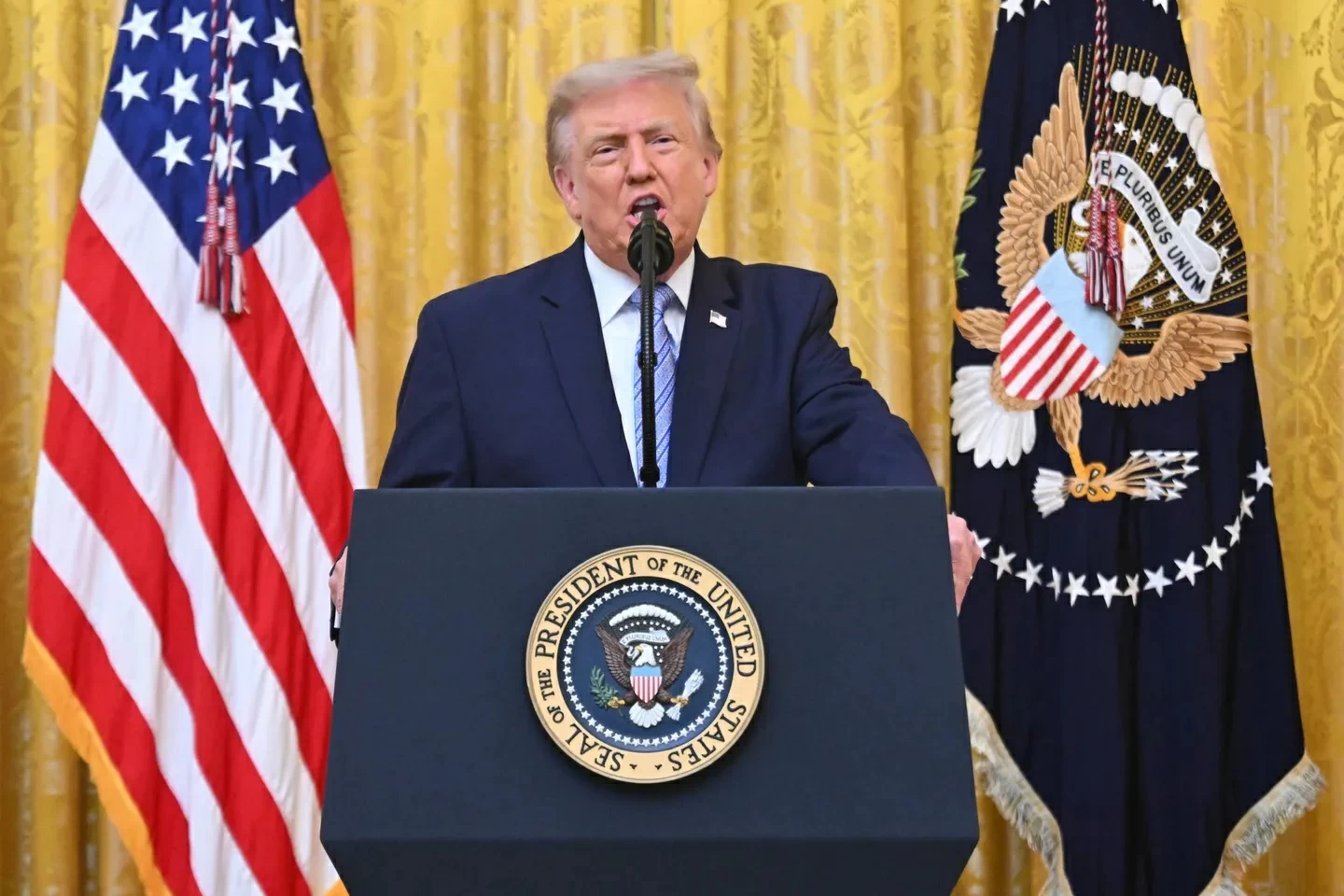
Archive photo Credit: Chip Somodevilla/Getty Images
US President Donald Trump has given his approval to a nuclear agreement with Saudi Arabia, allowing it the possibility to enrich uranium needed for its civilian reactors without adhering to strict international oversight standards, according to US officials and a source familiar with the matter.
This agreement comes as part of Washington's efforts to enhance civilian nuclear cooperation with its Gulf allies, as Saudi Arabia seeks to diversify its energy sources.
The US Department of Energy announced the signing of the agreement on Wednesday, and it will later be submitted to Congress for mandatory review.
The agreement, called the '123 Agreement,' extends for 30 years, and will task US companies with providing Saudi Arabia with the technology and expertise needed to develop its nuclear program, according to a US official.
Any agreement granting Saudi Arabia access to nuclear technology could spark widespread debate, locally and across the Middle East, since the ability to enrich nuclear fuel could theoretically lead to the production of nuclear weapons.
Energy Secretary Chris Wright stated in a press release on the signing that the agreement upholds the highest levels of nuclear safety and non-proliferation.
Sources had previously told CNN that the US administration had left the agreement suspended for months due to concerns about war with Iran and the possibility of congressional rejection.
Before beginning uranium enrichment, a joint US-Saudi team will conduct a commercial feasibility study of the project, and the Americans will build the facility without transferring sensitive technology to Saudi Arabia.
The agreement, according to The Wall Street Journal which broke the news of the approval, prohibits Riyadh from developing local enrichment technology or purchasing it from other countries for 10 years.
The agreement includes restrictions on the inspections that can be carried out on the Saudi program, according to officials and sources, which may raise lawmakers' suspicions.
An official said the kingdom is not obligated to sign a model agreement known as an Additional Protocol with the International Atomic Energy Agency, unlike the UAE, which signed a 'gold standard' nuclear cooperation agreement with the United States in 2009.
Saudi Arabia has long hesitated to sign the protocol, fearing it could theoretically allow inspectors into Mecca or royal palaces.
Thus, the agreement includes a bilateral safeguards agreement similar to the model protocol, but it omits the clauses that irritated Riyadh, according to a US official who spoke to CNN, and the IAEA Board of Governors will have to approve its terms.
Proponents of the agreement say it will provide a profitable commercial outlet for the growing US nuclear energy industry, while potentially excluding competitors like Russia and China.
The Energy Department statement noted that the agreement marks the beginning of a 'multi-billion-dollar long-term partnership' and emphasized that it will contribute to 'creating high-paying jobs in the United States and achieving long-term economic growth.'
Dan Joiner, a nuclear regulatory affairs consultant and law professor at the University of Alabama, told CNN that the agreement will open the door for 'American and allied companies' to sell 'reactors, components, fuel services, training, and technical assistance' with government export approval.
Joiner pointed out that this agreement could be strategically beneficial for the United States if it forces Saudi Arabia to use American technology, giving Washington 'continuous leverage over its safety, security, and non-proliferation practices.'
He added that if the agreement fails, 'Saudi Arabia might turn to Russia or China, granting those two countries long-term influence over critical Saudi infrastructure.'
Other countries in the region are likely to closely monitor the progress of this agreement, and Israel, which is widely believed to possess undeclared nuclear weapons, has long been wary of Saudi Arabia obtaining nuclear technology.
As for Iran, Saudi Arabia's main regional rival, it has a stockpile of enriched uranium and has pledged to maintain its nuclear program even after months of US bombing, claiming the program is for civilian purposes.
Saudi Crown Prince Mohammed bin Salman has pledged to pursue a nuclear weapon if Iran produces one.
Uranium enrichment and plutonium reprocessing are the two main pathways for producing the essential materials needed to manufacture nuclear weapons.
Most countries that operate civilian nuclear reactors requiring enriched uranium do not produce it locally but purchase it from suppliers such as the United States or Russia, receiving it in sealed shipments under strict international supervision.
The United States has been seeking to conclude a civilian nuclear agreement with Saudi Arabia for years, and under the administration of former President Joe Biden, this arrangement was seen as part of a broader normalization agreement between Saudi Arabia and Israel.
However, these efforts stalled after the Hamas attack on October 7, 2023. The Trump administration resumed nuclear negotiations last year.
The agreement will now be sent to Congress for a mandatory review period; lawmakers can block the deal if both the House and Senate pass resolutions rejecting it, and some lawmakers and experts have already voiced opposition to the deal following its disclosure.
Democratic Senator Ed Markey criticized the agreement in a statement, saying it could 'pave the way for nuclear weapons proliferation in Saudi Arabia and ignite an arms race in the region.'
In an interview with CNN, Henry Sokolski, who heads the Nonproliferation Policy Education Center (a non-profit organization), expressed concerns that this deal could open the door for other countries in the region to seek similar arrangements, which could theoretically allow for the development of nuclear weapons.
Sokolski asked: 'What new standard will the Saudi deal set for the UAE, Turkey, and Egypt?'
The agreement opens the door to a broad debate about US non-proliferation policy in the Middle East, especially given Saudi Arabia's insistence on the right to enrich. Despite the US administration's assurances that the agreement adheres to the highest safety standards, the flexible inspection terms may raise reservations in Congress. Moreover, the timing of the announcement comes amid tensions with Iran, further complicating the regional landscape. The congressional review of the agreement will be closely watched by observers, especially given the possibility of amending the terms or adding restrictions.
Original source: CNN Arabic


Comments (0)
Be the first to comment.