Wall Street Journal: Division Within Iran's Decision-Making Circles

An Iranian diplomat revealed a widening divide within decision-making circles in Tehran between a faction pushing for further escalation with the United States and another warning of the economic repercussions of continuing the confrontation. The Wall Street Journal quoted the diplomat as saying that a hardline faction within Iran is calling for a tightening of the confrontation and control over the Strait of Hormuz, considering it one of the most important leverage points against Washington. He indicated that the faction he described as 'pragmatic' fears that the continuation of the American blockade and military escalation will lead to further economic deterioration, and supports seeking a political exit that alleviates pressure on the country.
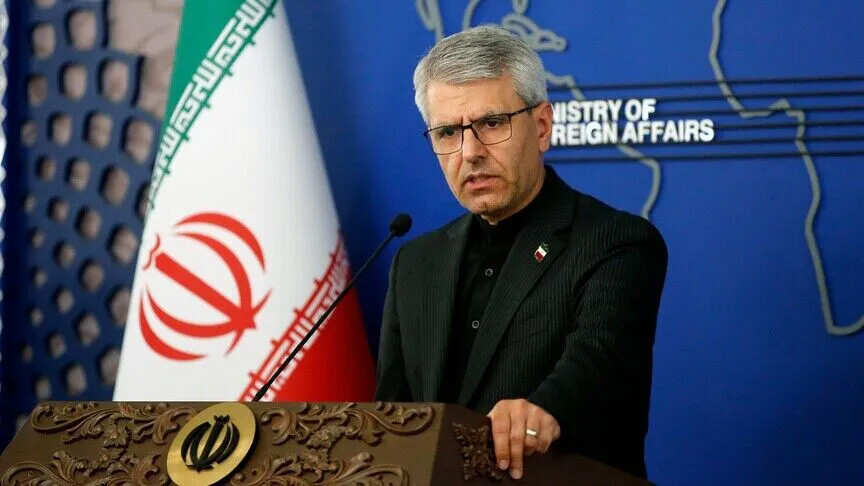
An Iranian diplomat revealed the widening divide within decision-making circles in Tehran between a faction pushing for further escalation with the United States and another warning of the economic repercussions of continuing the confrontation.
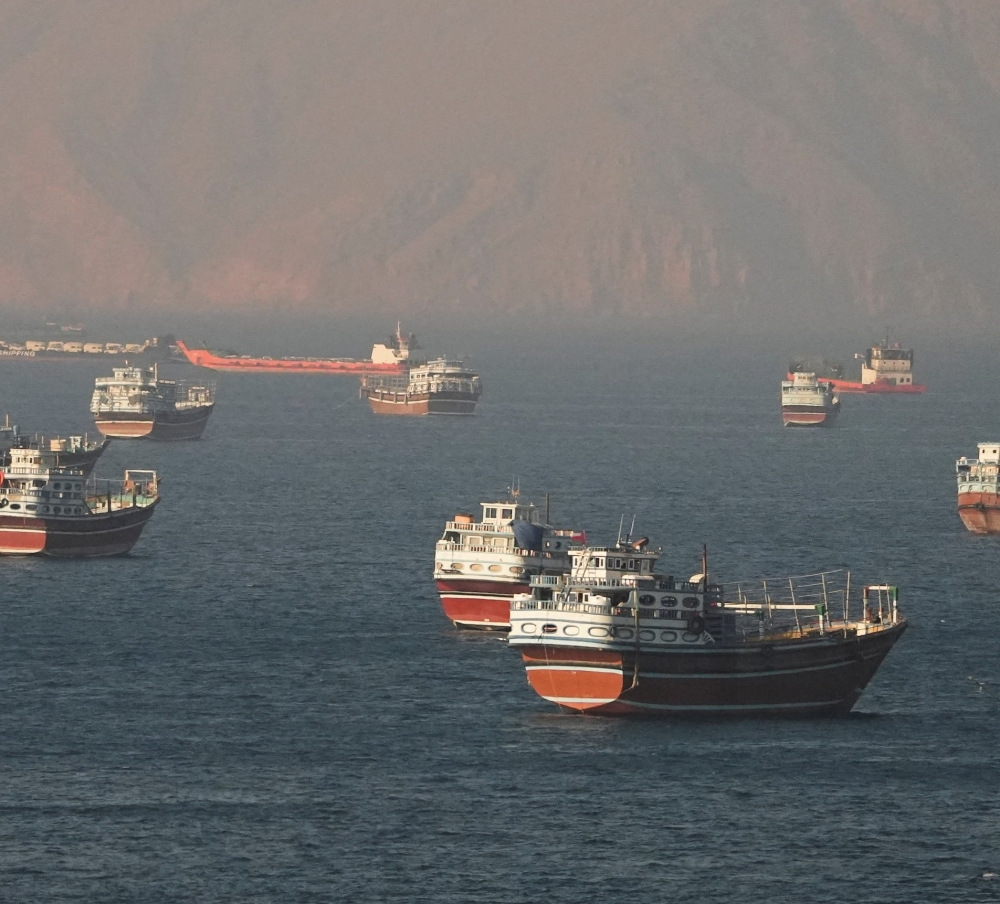
The Wall Street Journal reported the diplomat as saying that a hardline faction within Iran is calling for a tightening of the confrontation and control over the Strait of Hormuz, considering it one of the most important leverage points against Washington.
He indicated that the faction he described as "pragmatic" fears that the continuation of the American blockade and military escalation will lead to further economic deterioration, and supports seeking a political exit that alleviates pressure on the country.
The American newspaper linked this internal debate to the deteriorating economic conditions, noting that the annual inflation rate for consumer prices reached 88.6% in June, according to Iranian official statistics.
It added that the International Monetary Fund had expected, even before the recent wave of escalation, a contraction of the Iranian economy by 5.4% during the current year, which is likely to worsen if the current confrontation continues.
The newspaper reported economic estimates that only 3% of the highest-income Iranian households are now able to purchase a complete food basket, indicating a decline in purchasing power and an increase in living pressures.
This report comes as indications grow that the continuation of escalation not only imposes military and security challenges but also places the Iranian economy under increasing pressure, which may affect the decision-makers' options in the upcoming phase.
An Iranian diplomat revealed the widening divide within decision-making circles in Tehran between a faction pushing for further escalation with the United States and another warning of the economic repercussions of continuing the confrontation.
The Wall Street Journal reported the diplomat as saying that a hardline faction within Iran is calling for a tightening of the confrontation and control over the Strait of Hormuz, considering it one of the most important leverage points against Washington.
He indicated that the faction he described as "pragmatic" fears that the continuation of the American blockade and military escalation will lead to further economic deterioration, and supports seeking a political exit that alleviates pressure on the country.
The American newspaper linked this internal debate to the deteriorating economic conditions, noting that the annual inflation rate for consumer prices reached 88.6% in June, according to Iranian official statistics.
It added that the International Monetary Fund had expected, even before the recent wave of escalation, a contraction of the Iranian economy by 5.4% during the current year, which is likely to worsen if the current confrontation continues.
The newspaper reported economic estimates that only 3% of the highest-income Iranian households are now able to purchase a complete food basket, indicating a decline in purchasing power and an increase in living pressures.
This report comes as indications grow that the continuation of escalation not only imposes military and security challenges but also places the Iranian economy under increasing pressure, which may affect the decision-makers' options in the upcoming phase.
Original source: Okaz

Comments (0)
Be the first to comment.