Warning of Worsening Hunger for Yemeni Children Due to Houthi Escalation
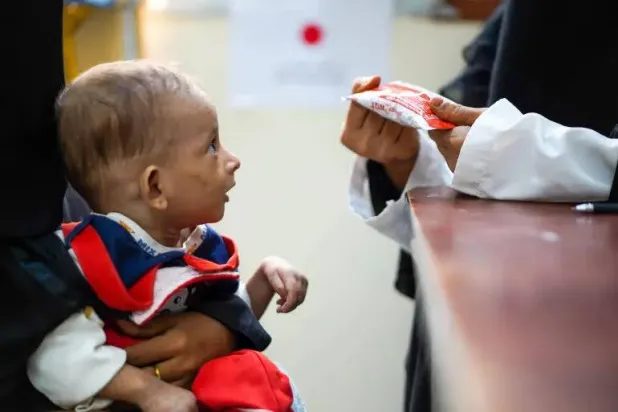
An international organization warned that millions of Yemeni children are slipping into more severe levels of hunger, with rising food and fuel prices, due to the escalation by the Houthis and Iran and the threat to international navigation.
An international organization concerned with child protection warned that millions of children in Yemen are slipping into more dangerous levels of hunger, as a result of the accelerating repercussions of regional escalation that disrupted navigation and raised fuel and food prices, at a time when the country is experiencing one of the worst humanitarian crises in the world.
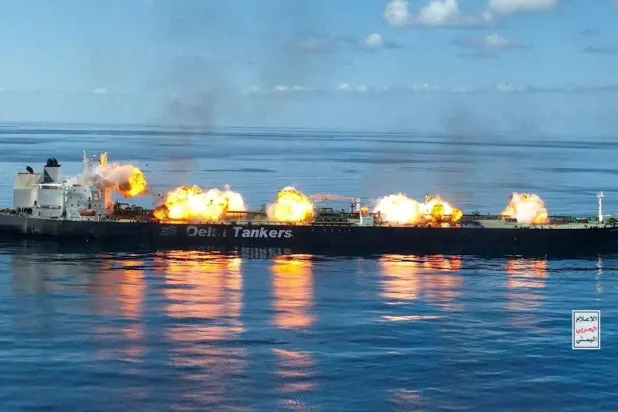
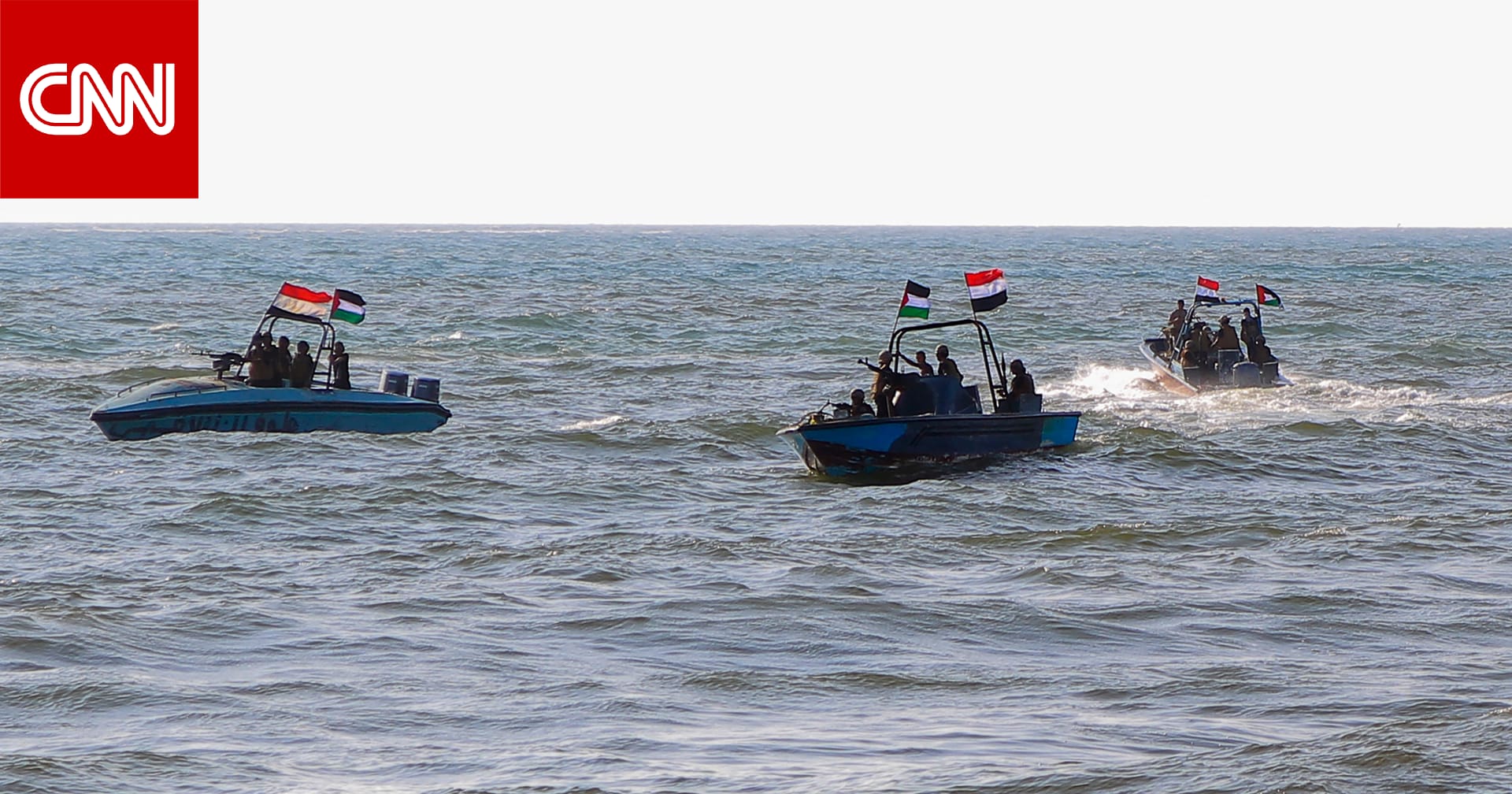
This warning comes in conjunction with the Houthis' announcement of their involvement in the confrontation alongside Iran, and their threat to resume targeting navigation in the southern Red Sea and the Bab el-Mandeb Strait, which raises fears of a new wave of rising costs of food and fuel imports, and disruption of humanitarian aid access to millions of Yemenis, especially children.
The 'Protect Children' organization said that a field assessment showed that commodity markets in Yemen witnessed a significant rise in fuel and food prices, as a result of disrupted navigation in the Strait of Hormuz and increased commercial shipping costs, which pushed thousands of families to the brink of inability to meet their basic needs, in a country where about 52 percent of the population faces the risk of hunger.
The organization explained that fuel imports through Yemeni ports declined sharply during the first quarter of this year, leading to supply shortages and higher fuel prices, which affected humanitarian aid transport operations and increased their costs, in addition to raising food prices in local markets.
About 52% of Yemen's population faces the risk of hunger (United Nations)
It pointed out that families that were able to meet their needs before the outbreak of the regional crisis are now flocking to its malnutrition treatment centers, after being forced to reduce the number of daily meals and suffice with the simplest types of food.
According to the assessment, the fuel shortage and a 56 percent increase in diesel prices in Taiz governorate led to a three-day disruption in the distribution of food and basic hygiene supplies during last June, and also caused a temporary delay in support for local health facilities, including the rehabilitation of war-damaged health centers, before these activities were later resumed.
Children Pay the Price
The international organization affirmed that more than a decade of conflict has left the equivalent of two-thirds of Yemen's population in need of humanitarian aid, while the economic crisis and climate shocks, including floods, have exacerbated the erosion of household income sources, to the extent that half of children under five now suffer from malnutrition.
It added that the severe funding shortage has forced many life-saving humanitarian programs to scale back their activities at a highly sensitive stage, exposing millions of children to additional risks and threatening the limited humanitarian gains achieved in past years.
The war ignited by the Houthis deprived 4 million children of education (United Nations)
Rishana Hanifeh, the country director of the 'Protect Children' organization in Yemen, said that for more than 10 years, children have been paying the price for one crisis after another, at a time when international attention to their suffering has waned, adding that today they have also become victims of regional escalation that caused widespread disruptions in supply chains and raised prices of basic food items.
She explained that the gradual reopening of the Strait of Hormuz is not a quick solution to the supply chain and food system problems in Yemen, because even short periods of interruption in obtaining affordable food leave long-term effects on children's growth and health, and its repercussions will continue to affect families for years.
Calls to Secure Navigation
The international organization demanded that food, fertilizers, and humanitarian supplies be allowed to pass through the Strait of Hormuz without delay, warning that every day these corridors are disrupted means more hunger for Yemeni families and greater risks to children's lives.
It also stressed the need to reach a permanent and comprehensive ceasefire in the Middle East and the region, ensuring the protection of children and limiting the humanitarian repercussions of conflicts.
The 'Protect Children' organization affirmed that the United Nations humanitarian appeal and the Yemen response plan had only received 14.7 percent of the required funding by mid-year, calling for flexible, sustainable, multi-year funding to enable families to meet their food needs and strengthen their ability to withstand future shocks.
Read also
Original source: aawsat.com


Comments (0)
Be the first to comment.