Even 'Hollywood' Pirates Failed to Control Bab el-Mandeb... and the Houthis Will Be No Exception

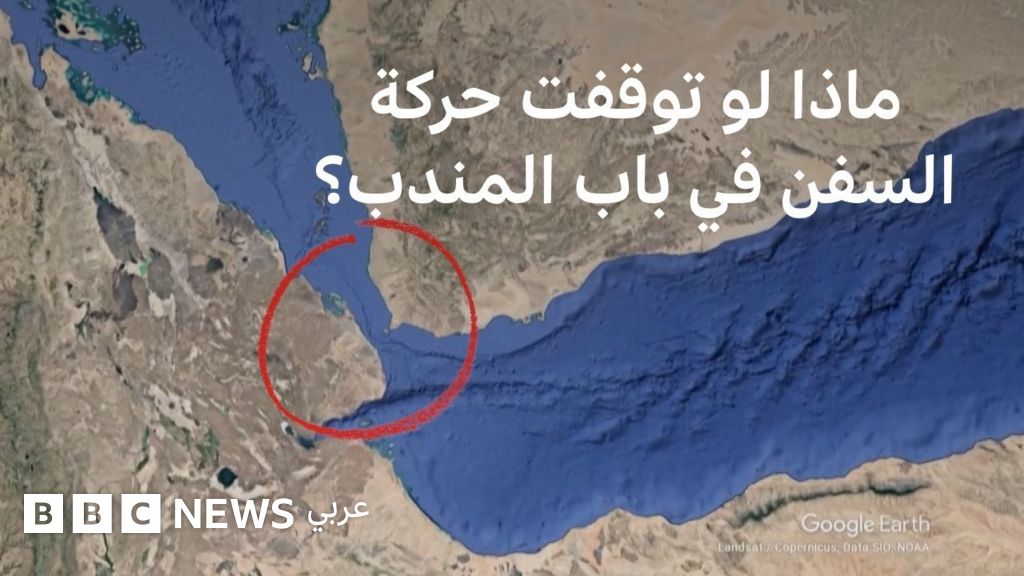
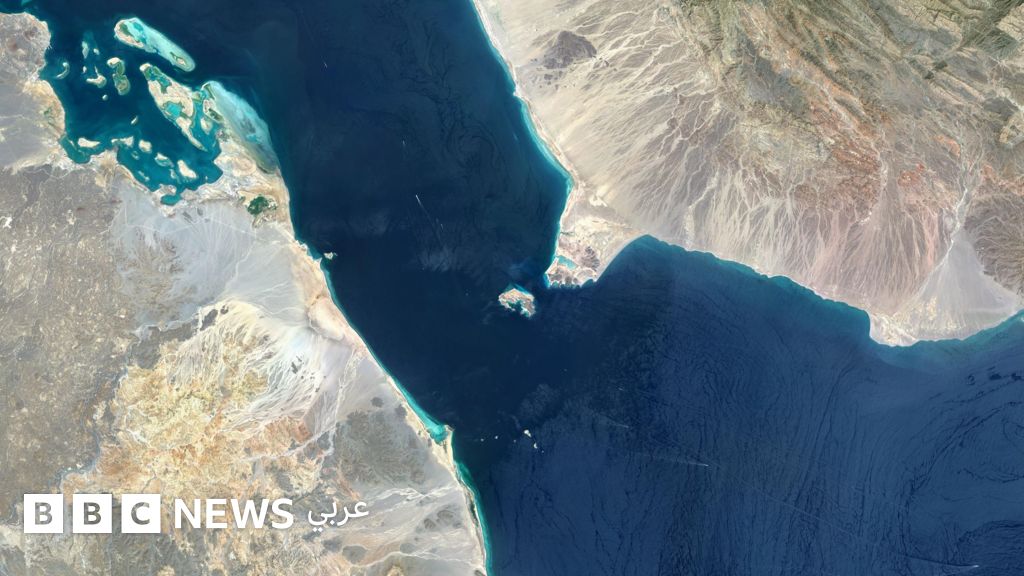
يستعرض تقرير تاريخي أهمية مضيق باب المندب الإستراتيجية الرابط بين البحر الأحمر وخليج عدن، مسلطا الضوء على فشل المحاولات التاريخية والتهديدات الحوثية الأخيرة في السيطرة على الممر الحيوي.
The choice of the Bab el-Mandeb Strait as the setting for the film 'Captain Phillips' was not just a Hollywood screenplay but a portrayal of what chaos can do to global navigation. While Captain Tom Hanks sailed seeking a safe passage, actor Barkhad Abdi lay in wait as the pirate trying to choke the artery of international trade and blackmail major powers. Although that drama, which earned Oscar nominations in 2013, ended with decisive military intervention, the underlying message remained clear: 'Bab el-Mandeb is a red line.'
Now the roles have changed. Instead of screen pirates, the terrorist Houthi militias have emerged, threatening in recent hours through their so-called military spokesman to impose a naval blockade on Saudi ships in the Red Sea and Bab el-Mandeb. Some have seen this as a prelude to threatening maritime navigation in the strait, which is responsible for 90% of the food supply for the Yemeni people. Any disruption there would turn Yemen into an isolated prison, at a time when Yemenis are suffering a severe crisis for survival, with 90% living below the poverty line on an average expenditure of no more than $2 a day.
What the Houthis are doing was done before by the Portuguese in the early sixteenth century, who were described as invading pirates. Led by their leader Vasco da Gama, they planned to close all maritime straits to Arab ships in order to starve Arabs and Muslims in Yemen, Oman, Egypt, and the Ottoman Turks. Despite their ferocity in battle and their huge warships, they could not achieve this goal over a century due to the ingenuity of the Yemeni people, who devised a strategy of small boats and waged a guerrilla war at sea that forced the Portuguese occupier to leave.
Sat, 18 2026
In 1799, the British repeated the attempt, but more cleverly this time. They realized that occupying the strait required control of specific islands, such as Perim Island, which they occupied, followed by control of Aden. In this way, they succeeded in controlling the waterway, whose importance doubled after the opening of the Egyptian Suez Canal in 1869. For a century and a half, Britain was the primary controller of this waterway, which former British Prime Minister Winston Churchill described as the gateway to Yemen and the key to controlling its resources.
After closing the chapter of old colonialism, the Bab el-Mandeb Strait entered a new phase, especially after the waves of Somali piracy that threatened the artery of global navigation from 2008 to 2012. This prompted major powers to devise the concept of 'shared international security,' under which Djibouti, opposite the strait, became a military base for U.S., Chinese, French, and Japanese forces, whose sole mission was to keep Bab el-Mandeb away from any threat posed by terrorist militias and pirates.
The Houthi militias breached this international system in September 2014. Not content with controlling some Yemeni cities, they decided to don the garb of the new pirates. They tightened their grip on Taiz province and the port of Mokha, near Bab el-Mandeb, thereby gaining land oversight of the Bab el-Mandeb shores and the strategic Perim Island. This prompted coalition forces to intervene, expel the Houthi militias, and secure the maritime passages at the end of 2015, which contributed to a relative stabilization of the situation.
Because militias thrive on crises, as Arab thinker Abbas al-Akkad said, the Houthis resorted to remote piracy. They obtained technological supplies that enabled them to plant thousands of floating naval mines in the Red Sea waters and possess booby-trapped drones targeting oil tankers from a distance. This was exemplified in November 2023, when the Houthis turned the Red Sea into a hostage, prompting the United States to intervene with British support to restore calm to the international trade artery.
Thu, 19 2026
The irony is that Houthi propaganda justifies these crimes as defending the interests of the Yemeni people and protecting them from impoverishment, while the facts reveal that they are the primary and main cause of the country's bankruptcy and the starvation of citizens. In the cities under their control, 85% of young people are unemployed, the private sector suffers complete paralysis, and food prices and water tankers have risen by 300%. The latest official Yemeni government reports show that the Houthi group stole $103 billion from public resources, enough to cover employee salaries for 30 years, in addition to squandering $4 billion that was a cash reserve, all of which went to buying real estate and luxury cars for Houthi members and leaders.
The Houthis' lies continued to the point of claiming that Saudi Arabia is imposing an economic blockade on Yemen. But as usual, lies collapse on the ground, which indicates that Saudi Arabia has supported the Yemeni economy with over $17 billion in recent years in the form of deposits, support for employee salaries, operation of power plants, and improving people's lives, in addition to more than 300 ships carrying fuel, goods, and construction materials during the first half of 2026 alone, not to mention the peace efforts led by Riyadh to maintain the stability of navigation in the Red Sea, thereby alleviating the suffering of the Yemeni people.
That picture was present before the Saudi Foreign Ministry, which issued a statement clearly stating that the Houthi militias are the ones who destroyed Yemen's infrastructure by targeting Aden airport, resulting in the killing of dozens of martyrs and wounded in 2020, as well as targeting oil export ports in the south in 2022, followed by the confiscation of four Yemeni aircraft. Before all this, they dragged Yemen into wars that had nothing to do with it. Apart from the Houthis' lies, Saudi Arabia refused to abandon the Yemenis, affirming its continued support for them and its refusal to surrender to the adventures of the 'new pirates,' a position agreed upon by U.S. President Donald Trump, who stressed that any threat will be dealt with even if it is a Houthi Hollywood film as is happening now.
Original source: Aleqtisadiah



Comments (0)
Be the first to comment.