Trump Imposes $20 Billion in Tariffs Against Canada
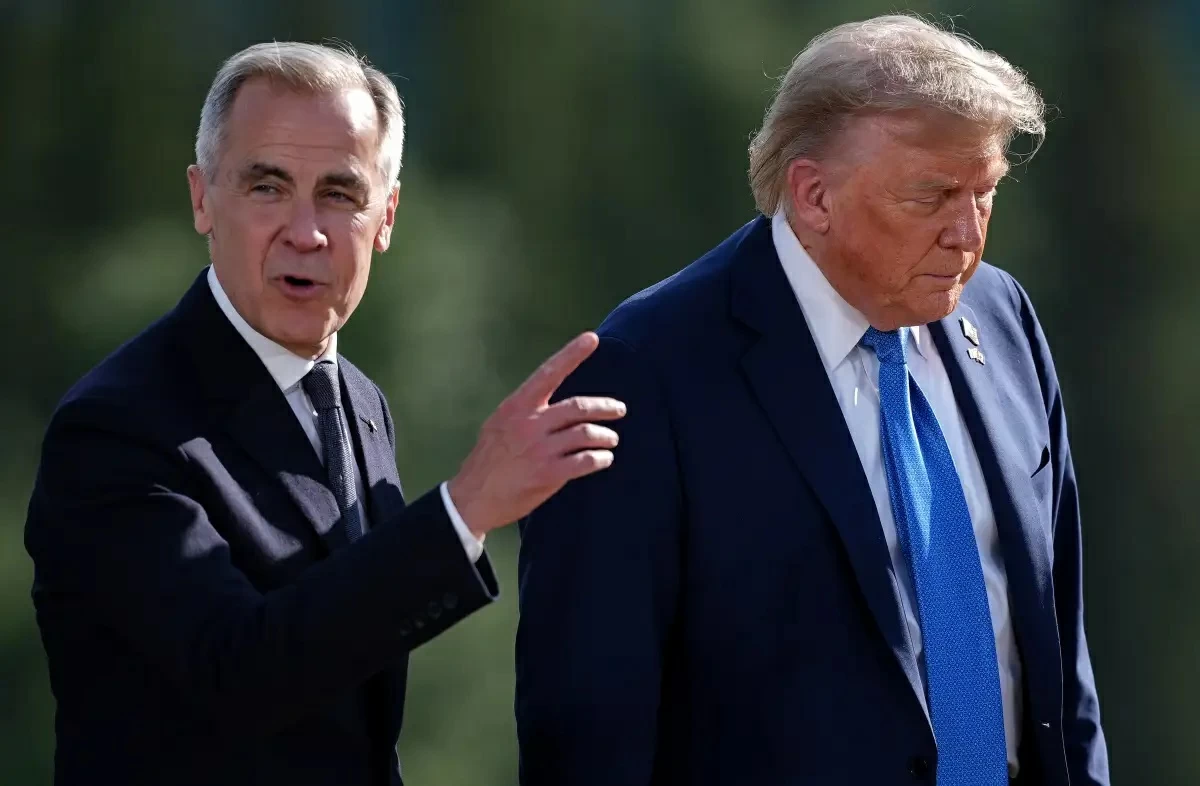
U.S. President Donald Trump has announced a 50% punitive tariff on a wide range of Canadian imports, accusing Ottawa of discriminatory policies against American automobiles, agricultural products, and spirits, in a move threatening to widen the global trade war.
U.S. President Donald Trump announced a 50% punitive tariff on a wide range of Canadian imports, accusing Ottawa of discriminatory policies against American automobiles, agricultural products, and spirits, in a move that threatens to widen the global trade war.
The White House stated that the new tariffs, which take effect after 30 days, will cover a variety of goods including wine, cement, hockey equipment, dairy products, swimming pools, furniture, fishing rods, seeds, clothing, wigs, and others.
Trump based his decision on Section 338 of the U.S. Tariff Act of 1930, which grants the president the authority to impose punitive tariffs of up to 50% on countries perceived to be practicing discrimination against U.S. goods. This marks the first known use of this provision since its enactment nearly a century ago.
The Office of the U.S. Trade Representative explained that the tariffs will affect Canadian imports estimated at approximately $20 billion, equivalent to about 5.2% of total U.S. imports from Canada, which reached $382 billion in 2025.
U.S. Trade Representative Jamieson Greer stated that the U.S. administration continues to work toward concluding "fair and reciprocal" trade agreements, but accused Canada—unlike other partners and allies—of continuing to take retaliatory measures against the United States in response to Washington's efforts to rebalance trade and protect its industries in national security-related sectors.
In contrast, Canadian Prime Minister Mark Carney emphasized that his government has put forward comprehensive proposals to settle trade disputes with the United States, stressing that the tariffs previously imposed by Trump violate the United States-Mexico-Canada Agreement (USMCA). Carney stated that the trade conflict has increased burdens on families, particularly within the United States, affirming his country's readiness to enter into intensive negotiations with Washington to address outstanding issues in a way that serves the interests of both nations' citizens.
The Trump administration accuses Canada, alongside China, of responding with retaliatory measures to a series of tariffs imposed by Washington since Trump's return to the White House last year. The U.S. administration also excluded Canada from ongoing talks with Mexico regarding adjustments Washington seeks to make to the North American free trade agreement, while the U.S. Trade Representative is holding bilateral discussions with Mexican officials in Mexico City this week.
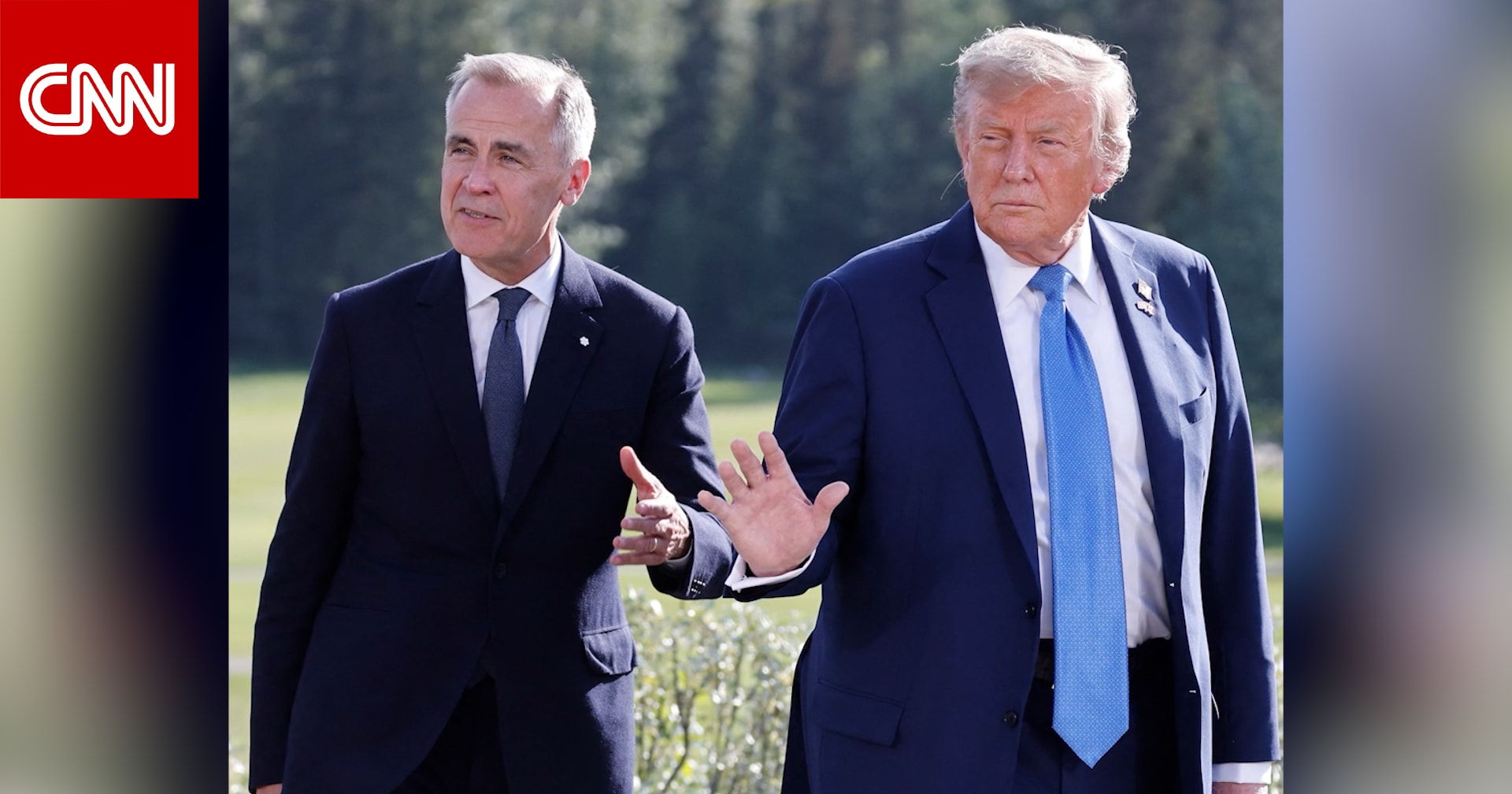
The announcement of the new tariffs came one day after a meeting between Trump and Carney on the sidelines of the FIFA World Cup final in New Jersey, where the U.S. president demanded that his Canadian counterpart take more effective action to control wildfires that have caused smoke to drift into wide areas within the United States.
Last week, Trump had hinted at adding what he described as the "incalculable cost" resulting from air pollution to the tariffs imposed on Canadian goods.
A Law Dating Back to the 1930s
The Tariff Act of 1930, particularly Section 338, is considered one of the most prominent pieces of legislation related to raising U.S. tariffs during the Great Depression—policies that economic historians believe contributed to deepening the global economic crisis at the time.
Former U.S. trade official in the George W. Bush administration, John Veroneau, said that Section 338 was formulated to ensure that all countries are treated equally in tariffs and to prevent granting preferential advantages to certain countries at the expense of U.S. exports. He noted that although previous U.S. presidents, including Franklin D. Roosevelt, studied using this provision, there are no documented precedents for activating it prior to Trump's decision. Veroneau considered the resort to this article to retaliate against tariffs imposed by other countries due to U.S. actions to be "ironic," explaining that the decision may be formally legal, but it contradicts the primary purpose for which the article was created, which is to promote the principle of equal tariff treatment among nations.
Criticisms of the Canadian Trade System
The new tariffs are scheduled to take effect on August 19 and will apply even to goods meeting the exemption conditions stipulated in the USMCA, with the exception of certain products exempted by Trump, such as energy, potash, fish, critical minerals, and goods already subject to Section 232 tariffs.
The White House justified the decision by accusing Canada of implementing a "protectionist" system to manage dairy supplies, alongside imposing tariffs and quotas on American cars, while granting more preferential treatment to imports from other countries.
Carney countered that Canada has merely treated the United States reciprocally in response to U.S. tariffs that he said violate the free trade agreement.
Washington also criticized the decision by most Canadian provinces to halt the sale of American alcoholic beverages, a measure Ottawa took in response to previous U.S. tariffs.
According to the White House, Canada's imports of American automobiles dropped by 22% over the past year, while its purchases of American spirits decreased by 81%.
For his part, Diamond Isinger, former advisor for U.S. relations to former Canadian Prime Minister Justin Trudeau, stated that the federal government does not possess broad authority to force provinces to resume the sale of American spirits, explaining that the decision essentially rests with provincial governments unless extraordinary measures are resorted to.
Original source: Okaz


Comments (0)
Be the first to comment.