U.S. and Iran: A New Round of Field Escalation and Suspension of the Political Process

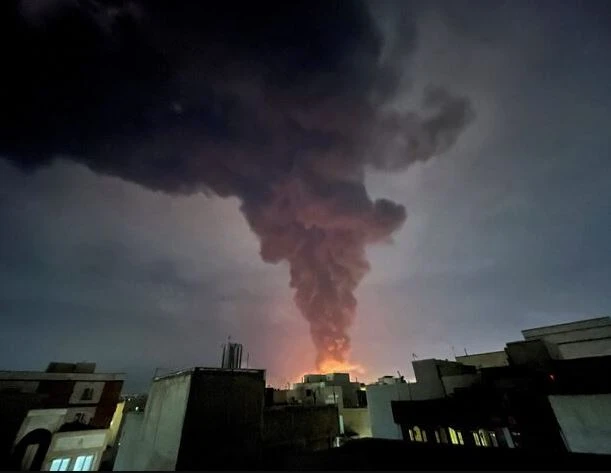
The U.S. continues military strikes against Iran for the eighth consecutive day, aiming to weaken Tehran's ability to threaten shipping in the Strait of Hormuz, as diplomatic efforts collapse following the suspension of the U.S.-Iran memorandum of understanding.
The United States continues to carry out strikes against Iran for the eighth consecutive day, in what it describes as an effort to "weaken Tehran's ability to attack ships in the Strait of Hormuz," while Iranian Supreme Leader Mojtaba Khamenei described President Donald Trump’s signing of the memorandum of understanding as "lacking credibility," marking the latest round of escalation between the two countries since the memorandum was signed last June.
Since the signing of the memorandum, the relationship between Washington and Tehran has entered a volatile path, alternating between attempts to contain escalation and repeated slips into rounds of military confrontation. While the U.S. presented the memorandum as a framework to reduce tension and protect navigation in Hormuz, Tehran saw that subsequent American actions, particularly the reimposition of a naval blockade on Iranian ports and the resumption of daily strikes, undermined the chances for de-escalation.
In response, Iran has intensified its missile and drone attacks on Arab countries in the region, prompting the U.S. administration to broaden the scope of its military response.
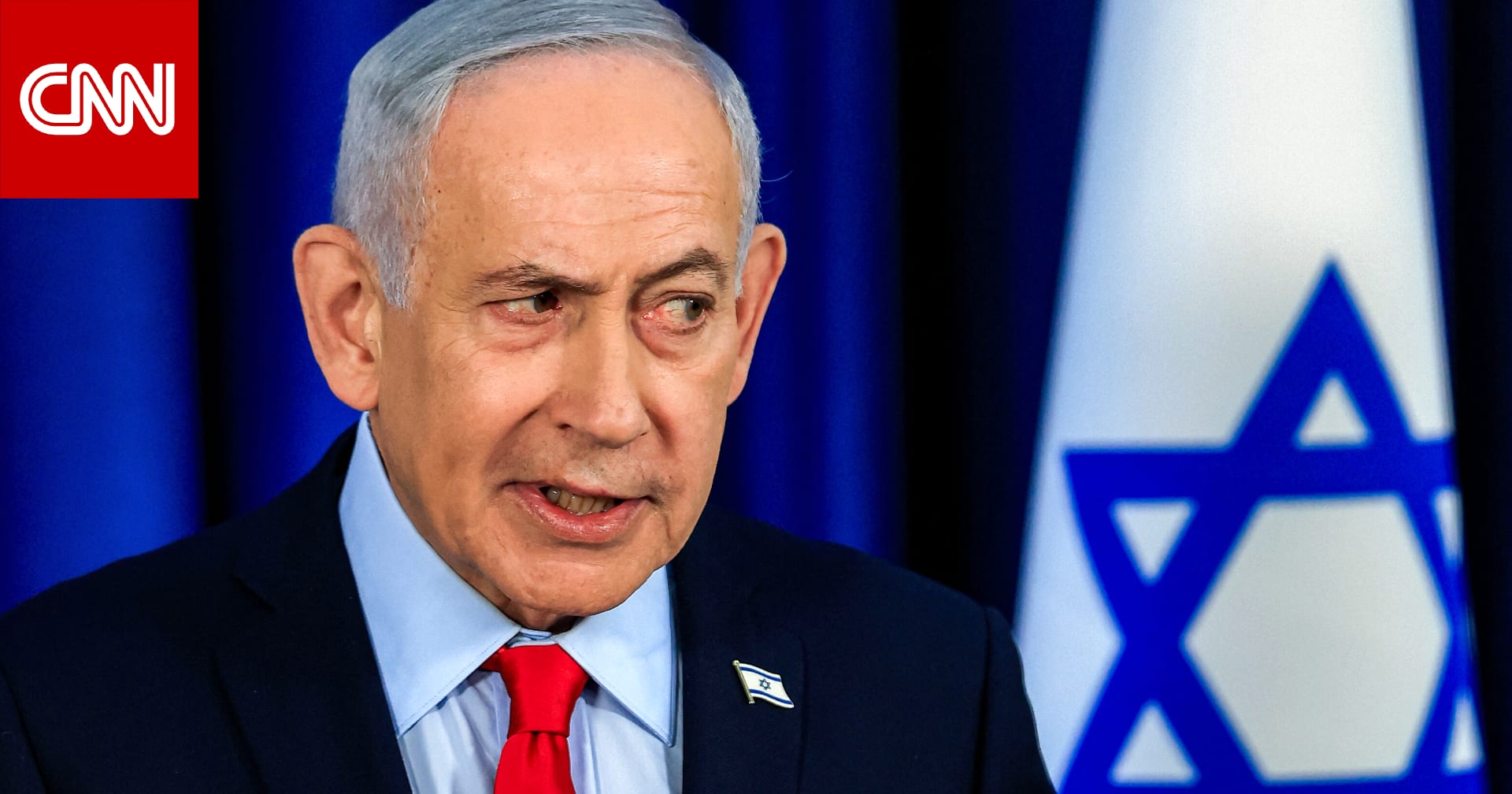
On July 8, the U.S. President stated that he believes the memorandum of understanding signed with Iran is over, adding that he refuses to deal with "the Iranians" because they are "sick."
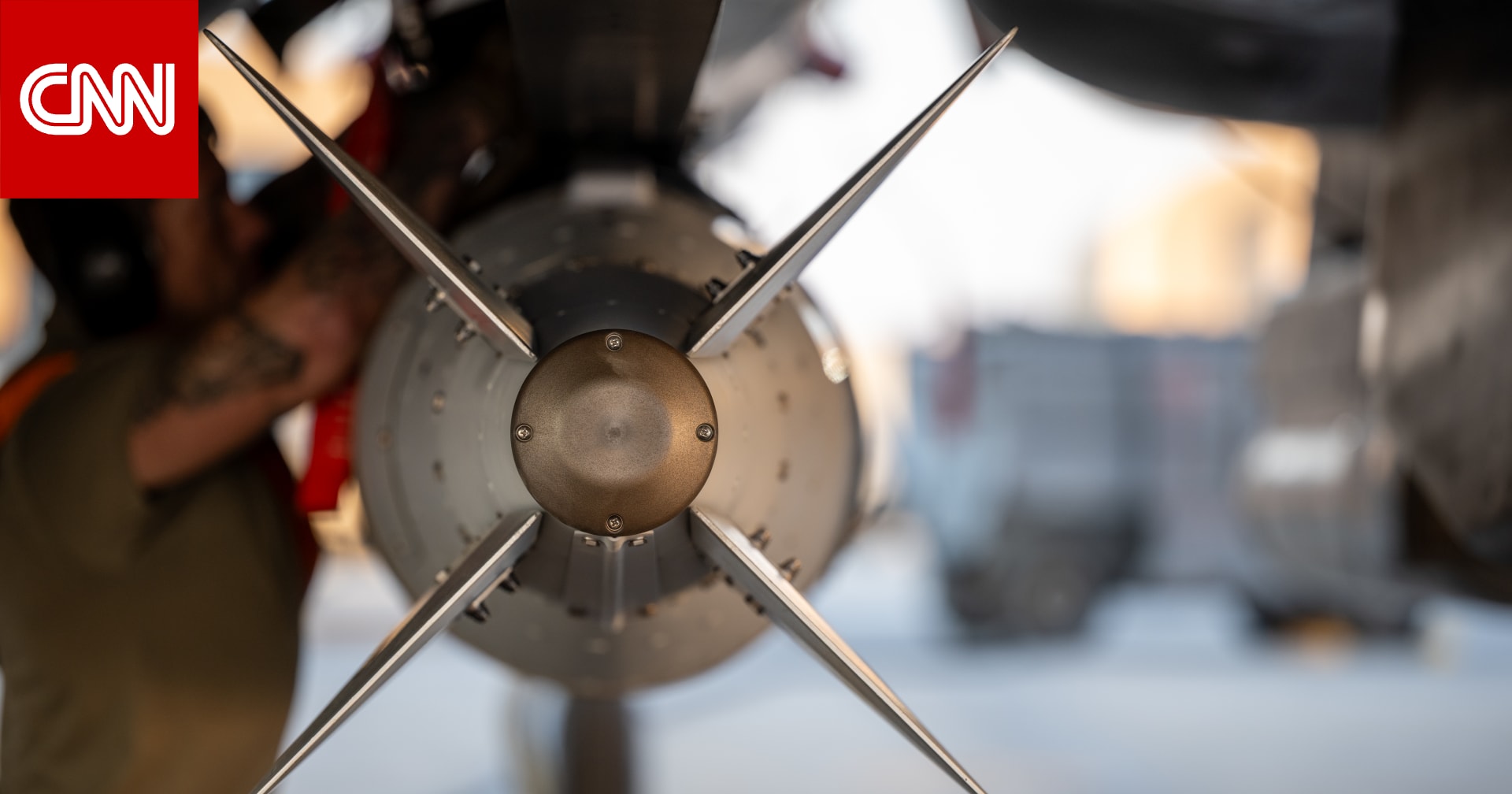
In the latest development of the escalation, U.S. Central Command (CENTCOM) announced that forces had begun executing new airstrikes against Tehran for the eighth night, under Trump’s direction.
CENTCOM explained in a statement on the platform 'X' that the objective of these strikes is to continue weakening Iran's ability to threaten commercial shipping traffic in Hormuz and to respond quickly to the Iranian Revolutionary Guard Corps forces that launched attacks against U.S. military personnel in Jordan on Friday evening.
In the same context, Central Command reported on Saturday that two U.S. service members were killed in Jordan as U.S. forces and partner troops repelled Iranian attacks using ballistic missiles and drones, noting that another U.S. service member remains missing during the operations.
The Command clarified in a post on 'X' that "four U.S. service members were medically evacuated to Jordanian hospitals, before being discharged later, while other personnel returned to duty after being treated for minor injuries."
For its part, The New York Times quoted U.S. officials as saying that the Iranian attack in Jordan on Friday was not the first in the last five days. They added that the attacks, combined, resulted in injuries to U.S. military personnel and damage to several helicopters.
The U.S. President said on Saturday that the death of two U.S. service members due to Iranian attacks in Jordan is "very sad." He added in a statement to the NewsNation network: "We hate to see it happen. It is in the service of our country."
Trump spent Saturday at his resort in Bedminster, New Jersey, and has not yet issued a public statement regarding the latest U.S. troop losses.
The U.S. attacks followed a series of missile and drone assaults by Iran on Gulf states as well as Jordan, targeting vital infrastructure, in addition to targeting commercial ships in the Strait of Hormuz.
Ambiguity regarding the duration of the military campaign
Regarding naval movements, U.S. Central Command confirmed that army forces continue to enforce the naval blockade imposed on Iran "strictly," noting that 5 ships have been diverted and one ship disabled since the blockade was reimposed on Iran.
In light of the ongoing operations, the Trump administration has provided only limited details on how long the military campaign might last, eight days after the U.S. resumed strikes on Iran and reimposed a naval blockade on its ports.
CNN reported that behind the scenes, officials offered the U.S. President options to expand the scope of the military operation, at a time when the U.S. military is looking for ways to intensify efforts aimed at limiting Iran's ability to threaten navigation in the Strait of Hormuz. However, Tehran has shown no willingness to relinquish its influence in this vital waterway.
In his public remarks, Trump indicated that he intends to escalate the strikes, including the threat of targeting civilian infrastructure and potentially energy facilities, while downplaying the importance of the duration of hostilities.
The U.S. President told CNN during an interview this week: "We were in Vietnam for 19 years. We have only been here for four months, so I think we have accomplished a lot."
Trump also confirmed to Fox News on Tuesday that the strikes would continue "until I say it is enough," and in a speech on Thursday, he said: "You will see the fruits of this work very soon."
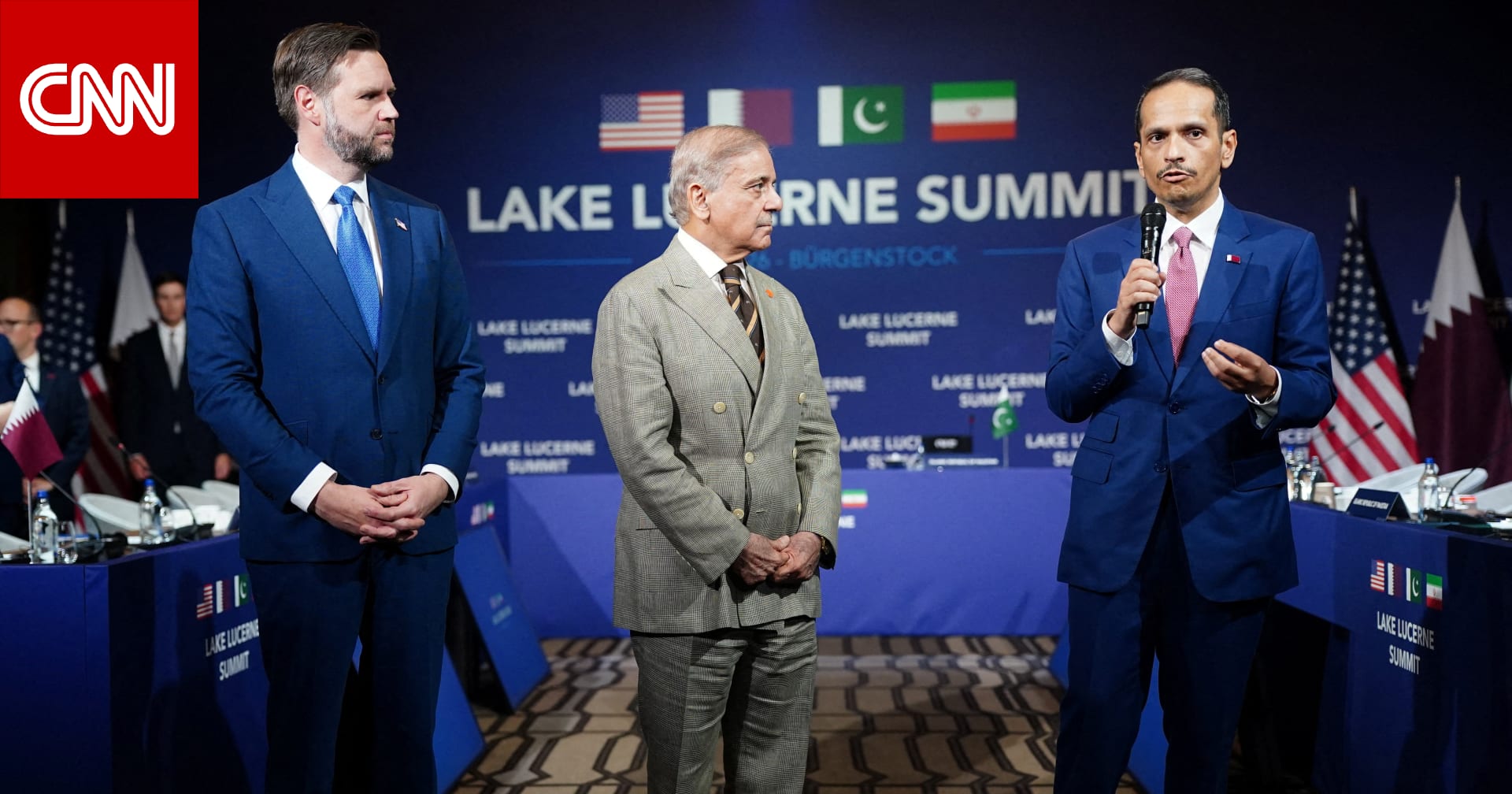
In contrast, U.S. Vice President JD Vance, who is leading the administration's negotiations with Iran, indicated that military force alone would not be enough to fully diminish Tehran's ability to control the Strait of Hormuz.
Iran suspends the path of agreements
For his part, the Iranian Supreme Leader said in a written message that U.S. President Donald Trump's signature on the memorandum of understanding "has no value and lacks credibility."
Khamenei accused the United States of "seeking to ignite wars," considering that "internal unity" represents the guarantee to confront America.
This comes after Iranian television quoted Foreign Ministry spokesperson Esmail Baghaei as saying on Saturday that the entire path of agreements with the U.S. has been suspended due to the Americans not fulfilling their obligations and continuing to launch attacks on his country.
Baghaei explained that the fifth article of the memorandum of understanding between Iran and the U.S. does not allow Washington to open an independent, parallel path in the Strait of Hormuz, and he blamed those he described as "aggressors" for the restrictive measures taken by Tehran in the Strait of Hormuz.
Baghaei stressed that Iran will remain committed to its pledges as long as the United States fulfills its obligations, emphasizing that "one cannot expect commitments to be fulfilled unilaterally." The Iranian Foreign Ministry spokesperson confirmed that Iran did not begin by violating its obligations, stating that the United States practically violated the agreement "from the first days."
Original source: Asharq News

Comments (0)
Be the first to comment.