What is 'Future Egypt Authority'... and what is the scope of its powers?
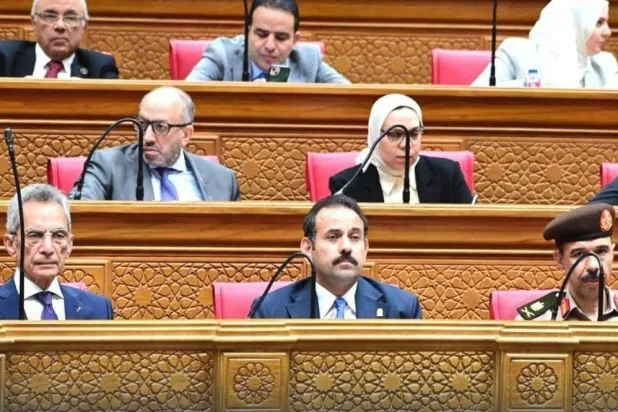
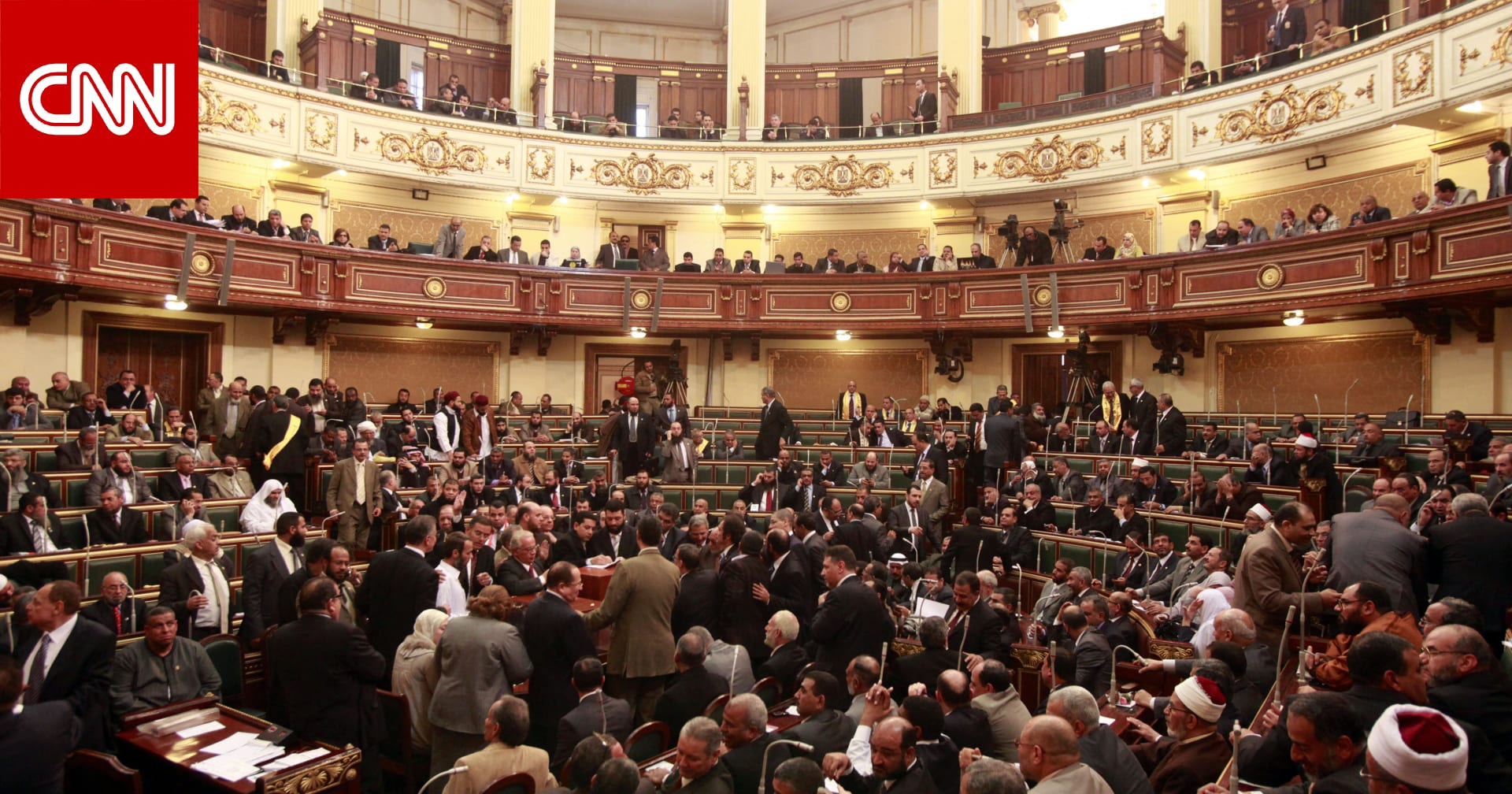
Several questions about 'Future Egypt Authority', which parliament approved on Tuesday a law to reorganize its work, amid controversy over the nature of its powers and its impact on the economy.
Several questions about 'Future Egypt Authority', which parliament approved on Tuesday a law to reorganize its work, amid controversy over the nature of its powers and its impact on the economy, with wide-ranging amendments introduced to the draft law submitted by the government, and amid the multiplicity of activities undertaken by the authority in various developmental fields.
The law, approved by the House of Representatives (the first chamber of parliament), sets a framework for the roles and powers of the authority, which was established 4 years ago, and its affiliation was transferred from the Ministry of Defense to the President of the Republic.
Powers and tasks
According to the law, the authority has powers including the ability to establish companies and contribute to them, establish development zones, manage lands and projects, and enter into local and international partnerships.
The legislation stipulates the establishment of a sovereign fund named 'Pyramids of the Nile', alongside a social spending fund called 'Daem'; which adds to the authority instruments for investment, asset management, and financing social programs.
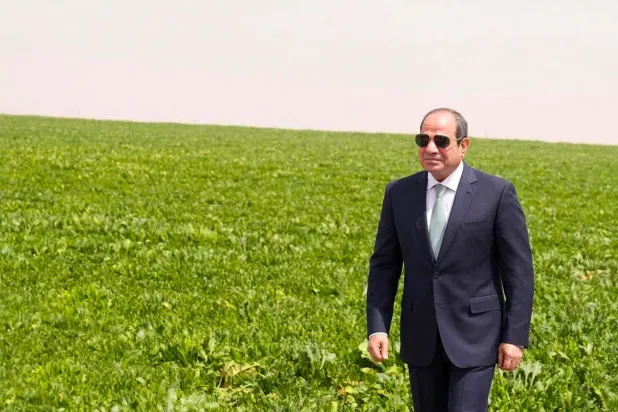
Among the most prominent tasks of the 'Future Egypt Authority for Sustainable Development' is reclaiming millions of acres of land to bridge the food gap and reduce imports, especially of strategic commodities, establishing new urban and integrated industrial communities that manage energy waste, creating logistical zones, and opening the door to local and foreign investors and national companies to manage and operate lands and factories.
Dr. Bahaa El-Ghannam, Executive Director of the 'Future Egypt Authority for Sustainable Development' (Egyptian Cabinet)
The 'Future Egypt Authority for Sustainable Development' was established by a presidential decree in 2022; with the aim of contributing to the reclamation of desert lands, but the authority began its work in 2017 by implementing small-scale agricultural reclamation projects using modern irrigation methods and precision farming technology, according to previous government data.
Head of the authority, Bahaa El-Ghannam, said during his participation in the parliament's general session on Tuesday that transferring the authority's affiliation to the presidency and launching two funds, one sovereign investment and the other service-oriented, aims to transform the authority into a business incubator that paves the way for private investments.
Greater administrative flexibility
Former assistant executive director of the International Monetary Fund, and former head of the Planning and Budget Committee in the House of Representatives, Dr. Fakhry El-Fekki, stressed that transferring the authority's affiliation from the Ministry of Defense to the President of the Republic and granting it the status of an independent economic body gives it greater flexibility in managing projects, establishing companies, and investing assets, enhancing its ability to implement national projects efficiently and quickly.
He explained in a statement to 'Asharq Al-Awsat' that the authority represents one of the most important executive arms for achieving food security, especially as it undertakes the reclamation project of about 4.5 million acres, relying on modern farming systems and large-scale production mechanisms that reduce production costs and increase per-acre productivity; this reflects in providing strategic commodities at more competitive prices, foremost wheat, along with corn, rice, and oil crops, in addition to expanding livestock, poultry, and fish production.
He pointed out that the authority's competencies are not limited to agriculture, but extend to the energy, petroleum, gas, and mineral wealth sectors, in addition to agricultural industries that achieve added value and support exports after meeting local market needs.
El-Fekki affirmed that the authority's roles are integrated with the ministries of Supply and Internal Trade and Agriculture to enhance supply chain management, provide basic commodities, and reduce intermediation between producer and consumer, contributing to lowering prices and curbing monopolistic practices during crises, noting that the draft law underwent several amendments within the Constitutional and Legislative Affairs Committee and joint committees, which was one of the reasons for the recent controversy surrounding it.
Wide-ranging amendments
During the discussion of the draft in the parliament's general session, MP Reda Abdel Salam said that the council amended about 80 percent of the items that raised objections; with the aim of improving transparency, oversight, and competitive neutrality, with the possibility of addressing any problems that arise during implementation, according to what Reuters reported.
A number of MPs expressed their objection to the time available to study the draft law and consult with experts, as was the case with the head of the parliamentary body of the 'Tagammu' party, Atef Maghawry, who objected to some of the exceptions granted to the authority.
Minister of Parliamentary Affairs Counselor Hani Hanna during the session dedicated to discussing the 'Future Egypt Authority' law (Egyptian Cabinet)
The government referred on July 6 of this month to the House of Representatives a draft law to reorganize the authority, and it was presented to a subcommittee comprising the Constitutional and Legislative Affairs Committee and the offices of the other council committees on July 8 and 9, where the committee in turn introduced amendments to the law and created other articles, to be presented in the general session on Monday and Tuesday.
The committees that discussed the draft law submitted by the government canceled the clause that obligated the state treasury to pay the authority's tax bill, including value-added tax. They also restored the full usual oversight by the 'Central Auditing Organization', in addition to limiting the authority's scope in the real estate sector to lands owned by it only, and also retained the right of holders of personal or in rem rights to litigation.
El-Fekki pointed out in his talk to 'Asharq Al-Awsat' that the authority will be subject to an integrated oversight system including the Central Auditing Organization and parliament, ensuring compliance with governance and transparency rules, explaining that the authority will pay all due taxes, and that financial surpluses after covering operational obligations will go to the state treasury according to the law's provisions which indicate a minimum of 10 percent of the surplus.
El-Fekki concluded by saying that the law gives the 'Future Egypt' authority a real opportunity to transform into one of the largest economic and developmental institutions in the country, but he stressed that the success of the experience 'will not be measured by the size of the powers granted by the law to the authority, but by the extent of commitment to transparency, good asset management, achieving tangible economic returns, and providing equal opportunities for the private sector.'
Original source: Asharq Al-Awsat



Comments (0)
Be the first to comment.