Bone Lengthening... and 'Stature'

Bone lengthening procedures are among the most advanced surgical techniques in modern orthopedics, and have witnessed remarkable development in recent decades, transforming from limited solutions for complex cases to therapeutic and cosmetic procedures performed according to precise protocols and international standards. These operations are based on the principle of 'distraction osteogenesis' established by Russian surgeon 'Ilizarov' in the mid-20th century. The principle involves creating a controlled surgical fracture in the bone and then gradually separating the two ends to allow new bone cells to form, filling the gap and increasing length or correcting deformity.
With technological advances, more precise fixation systems have emerged, such as the expandable intramedullary nail and smart electronic devices that allow better control of lengthening, reduce pain, and accelerate recovery, making these procedures safer and more widespread.
Lengthening procedures are used to treat a wide range of medical conditions, most notably significant differences in leg length resulting from congenital deformities or injuries that cause growth arrest in one limb, as well as bone growth disorders such as dwarfism and growth plate disturbances.
Short stature and dwarfism
Studies indicate that bone lengthening can improve motor function in patients with polio or neuromuscular disorders by restoring balance between limbs and improving walking ability. Some patients also undergo these procedures for purely cosmetic reasons to increase height within medically safe limits, a trend that has seen global rise in recent years according to reports confirming that these procedures have become safer thanks to modern techniques that reduce pain and speed recovery.
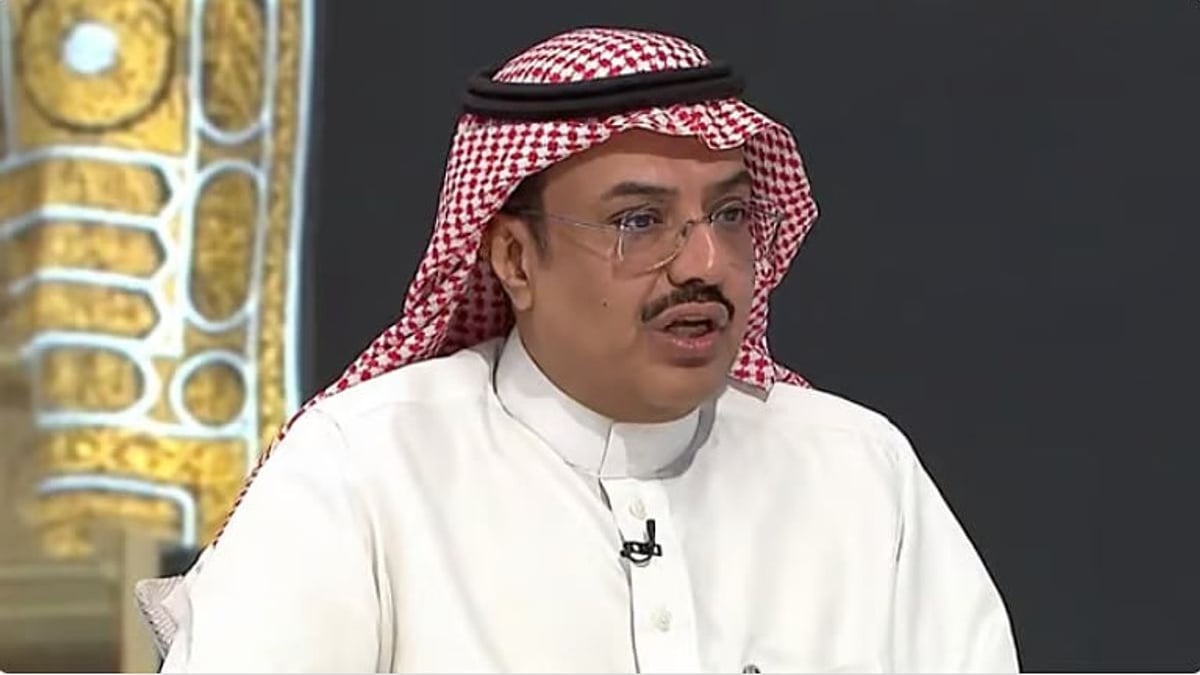
Consultant orthopedic surgeon, deformity correction and bone lengthening at King Abdullah Medical City in Mecca, Dr. Mushir Mansour Al-Ziyadi, emphasizes that lengthening procedures are performed to treat limb length discrepancy between legs, short stature resulting from genetic diseases or growth disorders, as well as congenital deformities or shortening due to injuries, infections, and poor bone growth, with the aim of improving motor function and quality of life when shortness or deformity affects walking or movement.
Therapeutic or cosmetic?
Consultant orthopedic surgeon Dr. Al-Ziyadi explains that physicians distinguish between therapeutic lengthening, performed for a clear medical problem, and cosmetic lengthening, performed for a medically healthy individual who wishes to increase height for personal reasons, which undergoes comprehensive evaluation and precise criteria to ensure the patient understands the risks and treatment commitments.
He notes that poor nutrition may affect bone growth, especially in children and adolescents, as the body needs adequate amounts of protein, calcium, vitamin D, and other nutrients to ensure normal growth. Chronic diseases or absorption problems may also affect growth. Some polio patients can benefit from lengthening or deformity correction procedures, especially when there is limb shortening or deformities affecting walking; however, success depends on accurate assessment of muscle strength, nerve condition, and joint stability. As for patients with chronic diseases, their eligibility for lengthening procedures depends on the type and control of the disease, as conditions such as diabetes, heart disease, immune disorders, and osteoporosis require careful pre-surgical evaluation due to possible effects on bone healing or increased risk of complications.
Standing for long periods does not affect
Consultant in deformity correction and bone lengthening Dr. Al-Ziyadi believes that standing for long periods does not affect bone growth or length, but may cause joint and muscle fatigue if excessive. The success of lengthening operations depends on adherence to doctor's instructions, physical therapy, and regular follow-up. The amount of achievable lengthening varies according to patient age, bone condition, and surrounding tissues, but generally bone can be lengthened by 15 to 20% of its original length, approximately 8 centimeters for the shin bone and 8 centimeters for the thigh bone. The procedure can be repeated in some cases such as dwarfism patients, emphasizing that the primary goal is safe and balanced lengthening while maintaining limb function and nerve and muscle integrity.
After lengthening... live your life normally
Senior consultant orthopedic and spine surgeon Dr. Asaad Al-Mutawa said that after the lengthening stage, the patient can resume daily life normally, including sports and weight-bearing, provided adherence to the treatment and rehabilitation plan. He points out that the essential phase begins with a comprehensive assessment of the patient's condition and determining the causes of short stature, whether genetic, pathological, or resulting from injury during growth, in addition to ensuring appropriate age and general health status, and no nutritional deficiencies or neurological or muscular diseases that may affect final outcomes. He confirms that the risks of lengthening procedures are relatively low, including possible nerve or muscle injury during surgery or slight limb deviation, and success rates are very high with modern techniques and surgeon experience.
Controlled surgical fracture
Consultant orthopedic surgeon, limb deformity reconstruction and lengthening Dr. Abdulwahab Al-Zahrani explained that bone lengthening and reconstruction procedures are among the most important advanced surgical techniques developed by orthopedics in recent decades, becoming today a precise and effective treatment option for a wide range of deformities and disorders affecting the limbs. These operations are based on the principle of distraction osteogenesis, which involves creating a controlled surgical fracture in the bone and then allowing it to gradually grow through the formation of new bone cells in the resulting gap, leading to increased length or correction of curvature and restoration of normal limb function.
He points out that bone deformities and curvatures are among the most common problems requiring this type of intervention, as abnormal changes in bone shape or alignment, whether genetic or acquired, cause functional impairment, pain, and difficulty in movement, and may progress to gradual loss of limb function if untreated. These deformities include osteogenesis imperfecta, hyperostosis, osteomalacia, hypophosphatemia, fibrous dysplasia, Blount's disease, as well as leg length discrepancy resulting from injuries, infections, or congenital defects such as fibular hemimelia.
Appropriate age for surgery
Consultant orthopedic surgeon Dr. Al-Zahrani believes that lengthening procedures are performed using two main techniques; the first is internal fixation by implanting a metal rod inside the bone that is controlled magnetically to expand, a method that provides greater patient comfort and reduces complications. The second technique is external fixation using the Ilizarov device, which is the most suitable option in complex deformities or in children due to its flexibility and ability to correct multiple deviations. He indicates that the appropriate age for these procedures varies according to growth stage; it can be started in children from the age of four using external devices, while adults can undergo surgery at any age after growth cessation, which usually occurs between 16-17 years for females and 17-18 years for males.
1 mm per day!
Original source: Okaz





Comments (0)
Be the first to comment.