Rare case estimated at one in 15 million: Birth of identical quadruplets in Australia
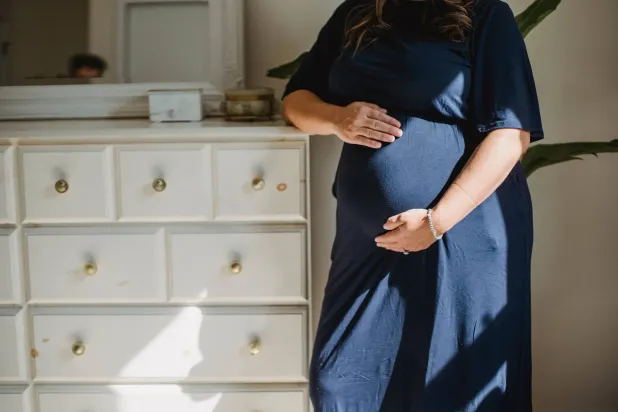
Australia has witnessed an exceptional birth after a woman gave birth to 4 identical girls following an extremely rare pregnancy, described by doctors as 'one of the rarest pregnancies in the world', estimated to occur in only one in every 15 million pregnancies. The birth has attracted medical attention due to its rarity and complications, especially since the 4 fetuses shared a single placenta throughout the pregnancy.
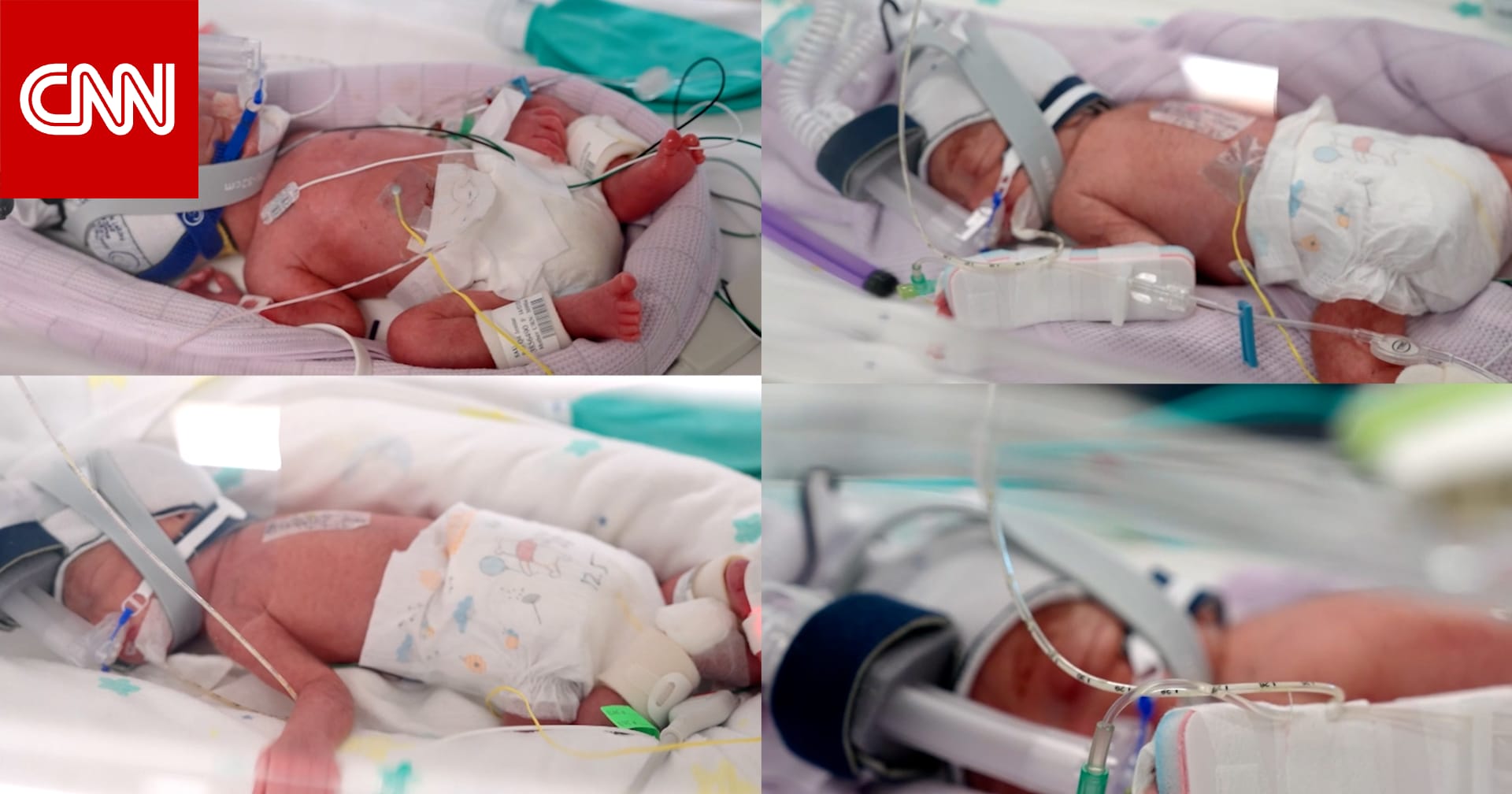
A woman from the Australian city of Brisbane gave birth to 4 identical girls, according to The Independent newspaper. The babies, named Emily, Harriet, Catherine, and Alexa, were delivered by cesarean section at the Royal Brisbane and Women's Hospital on July 14, after the pregnancy reached 28 weeks and 2 days.
The babies are still receiving care in the neonatal intensive care unit, while doctors have confirmed that their health condition is stable and progressing well.
The hospital explained that this rare pregnancy resulted from the division of a single fertilized egg into 4 embryos, making the girls identical quadruplets (monozygotic). It also noted that the pregnancy occurred naturally, without assisted reproductive techniques.
The mother, Janetar Namwana, is 34 years old, and she and her husband already had 4 children before this unexpected pregnancy, ranging in age from 1 to 10 years.
Dr. Alexa Pendal, who supervised Namwana's care, said she had never encountered a similar case in her medical career.
The Australian Associated Press quoted the doctor as saying: 'This is unprecedented. We don't believe it has happened before in Australia.'
She added: 'Perhaps only two or three cases have been recorded elsewhere in the world, and when I say two, I mean just two.'
Dr. Pendal described the pregnancy as 'high risk', explaining that the 4 fetuses shared a single placenta, a rare condition that significantly increases the likelihood of serious complications for both mother and fetuses.
She said: 'There is a high risk of death and illness for these children and for the mother.'
For this reason, Namwana was admitted to the hospital at 25 weeks of pregnancy so that the medical team could monitor her condition continuously and intervene quickly when needed. The main goal of the doctors was to safely reach 28 weeks of pregnancy.
Pendal reported: 'The fact that we have 4 beautiful and healthy girls born at 28 weeks and 2 days is incredible.'
The hospital staff explained that the babies will remain in the neonatal intensive care unit until near their natural due date, which is standard for premature infants, confirming that their initial health condition is optimistic and that the start of their treatment journey has been encouraging.
Given the challenges facing the family after welcoming 4 children at once, Namwana launched an online fundraising campaign to help cover the costs of caring for the quadruplets, including medical expenses, travel costs, daily living expenses, as well as purchasing a larger car to accommodate all family members.
Read also
Original source: Asharq Al-Awsat





Comments (0)
Be the first to comment.