Jazan's Popular Markets: A Weekly Memory That Revives the Economy and Preserves Heritage
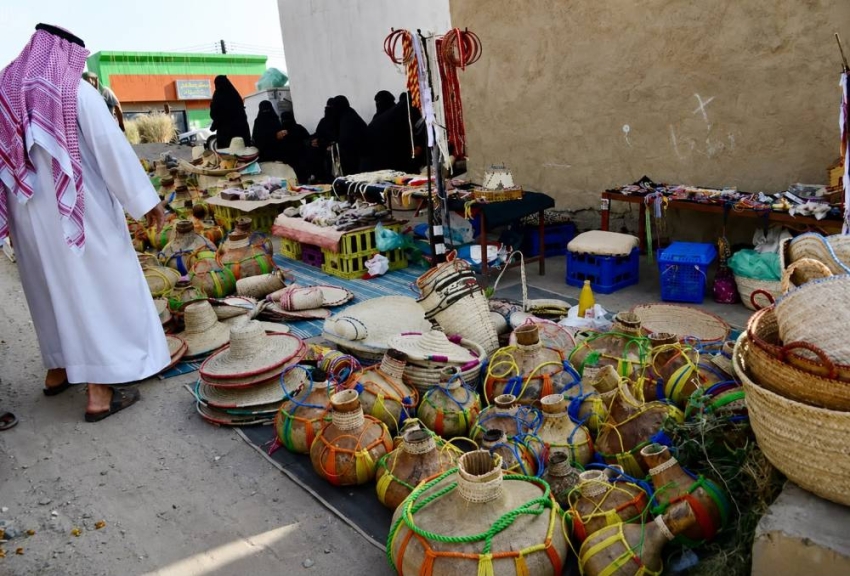
With the rising sun on their weekly days, Jazan's popular markets regain their presence; their arcades scent with aromatic plants, adorned with local products, while vendors' voices rise, in a scene that affirms...
With the rising sun on their weekly days, Jazan's popular markets regain their presence; their arcades scent with aromatic plants, adorned with local products, while vendors' voices rise, in a scene that affirms their continued standing despite changing shopping patterns and the spread of shopping malls and electronic platforms.
These markets continue to play their role as a component of living heritage, a direct platform for marketing products of farmers, artisans, and productive families, as well as being social and economic gatherings linked to the memory of Jazani society across generations.
The weekly markets in various provinces of the region are linked to their days, so each market has its known time. Products vary between agricultural crops, natural honey, aromatic plants, handicrafts, and traditional costumes, in a scene reflecting the diversity of the Jazan environment between plain, mountain, and coast. A social gathering. These markets were not just places for buying and selling, but throughout history they formed social gatherings where locals meet, deals are made, news is exchanged, and community customs and heritage are preserved. This role is still present today, as they offer visitors an opportunity to learn about details of traditional life and purchase local products that reflect the identity of the region.
The Tuesday market in Sabya province stands out as one of the most active weekly markets, as farmers and productive families display their products of vegetables, fruits, honey, heritage handicrafts, and household items. The market underwent development works implemented by the municipality of the province, and the first phase included developing an area of 32,000 square meters, containing 182 commercial shops, as part of improving the market environment and preserving its heritage character.
The rest of the markets maintain their presence; the Sunday market in Haroub is known for natural honey, aromatic plants, and local grains, while the Baysh market continues its activity with a variety of offerings including agricultural products, grains, pottery, livestock, and household supplies. The markets of Samtah and Abu Arish, in addition to the mountain sector markets in Al-Dayr, Ayban, and Al-Nafeah, continue to receive shoppers with their local and handicraft products, reflecting the continued vitality of these markets and their role in serving local communities.
An economic tributary. The popular markets provide a direct outlet for marketing products of farmers, artisans, and productive families, enhancing their income, supporting the continuity of traditional crafts, and strengthening the presence of local products in the markets.
Ahmad Al-Najai, a vendor in the Sabya popular market, told Al-Madinah: 'The popular markets are a gathering that brings people together and gives the vendor an opportunity to market his products, while the visitor discovers Jazan's heritage and local products in one place.'
With growing interest in cultural and heritage tourism, these markets continue to play their role as more than just sites for buying and selling, affirming that heritage is not merely a legacy of the past, but a tributary for development and a sustainable economic resource. These markets remain a vibrant social memory, a platform for local products, and a living witness to the identity of Jazan.
Original source: Al-Madina




Comments (0)
Be the first to comment.