Al-Budaiwi calls on UN Security Council to hold Iran accountable and deter Houthi threats to navigation

في كلمة أمام مجلس الأمن، دعا أمين عام مجلس التعاون الخليجي إلى اتخاذ إجراءات حازمة ضد إيران وميليشيا الحوثي، محذراً من تبعات تهديدات الملاحة في باب المندب وهرمز على الأمن الدولي.
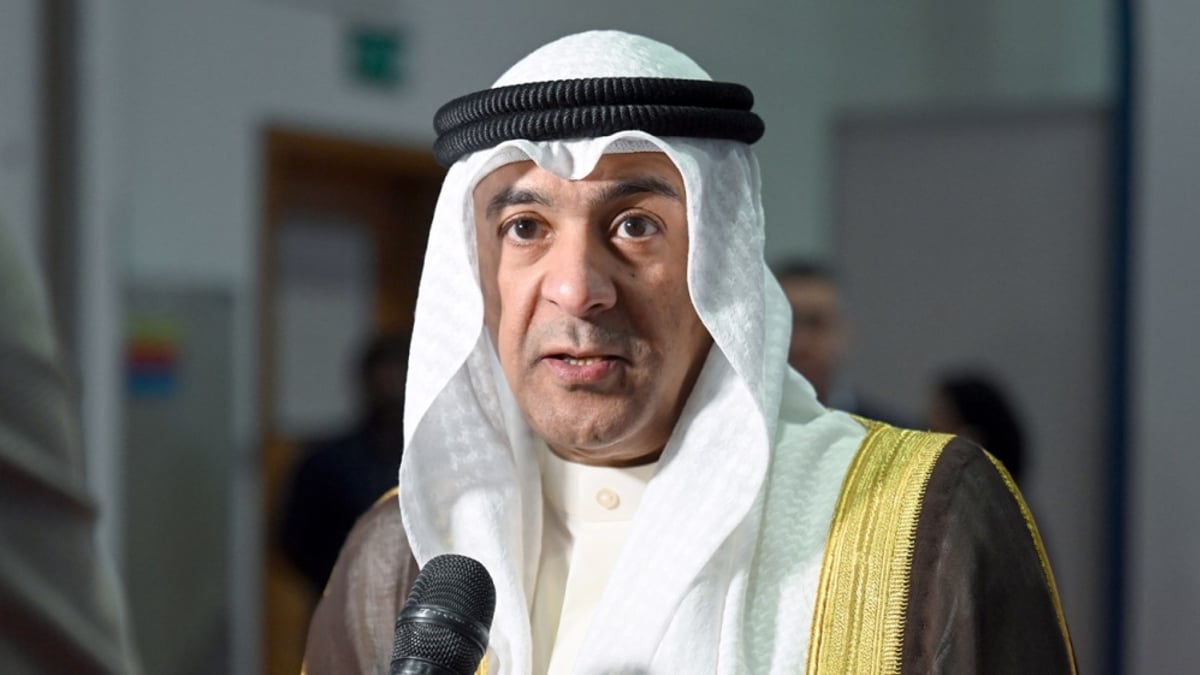
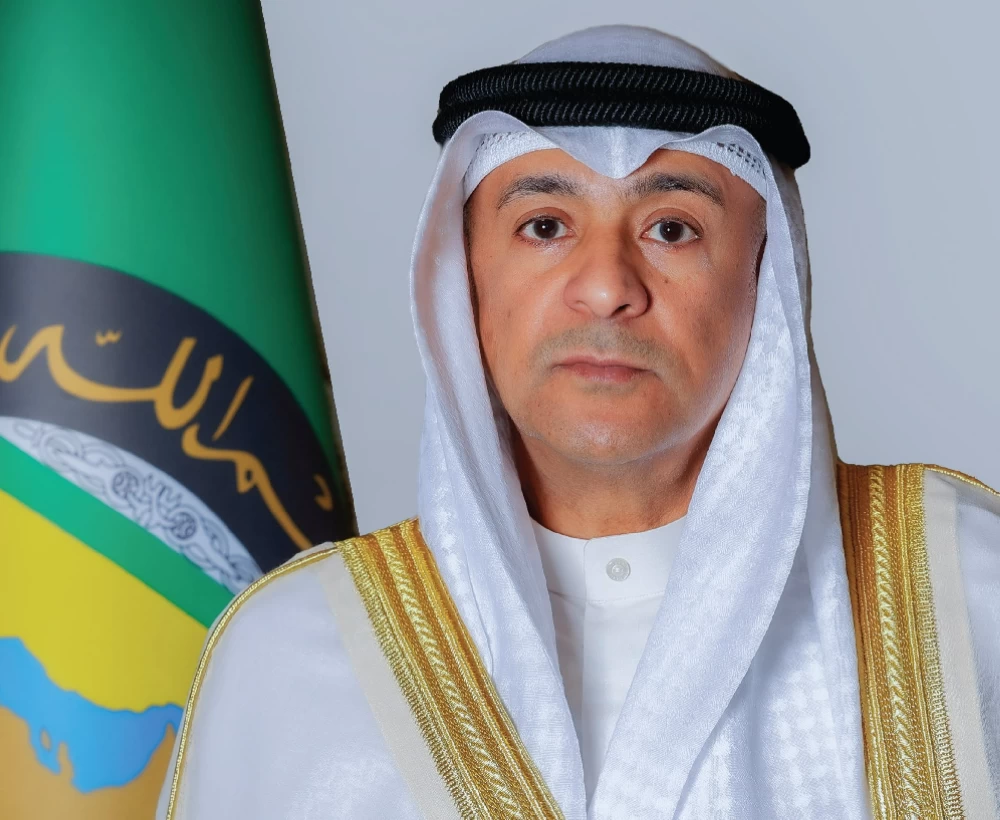
Jassim Mohamed Al-Budaiwi, Secretary-General of the Gulf Cooperation Council (GCC), called on the UN Security Council to assume its legal responsibilities to put an end to the ongoing Iranian attacks on the GCC states, affirming that these attacks and the Houthi militia's threats to close the Bab al-Mandab Strait necessitate immediate accountability and a firm international stance.
This came during the high-level open debate of the United Nations Security Council, under the title 'Governing Natural Resources: A Pillar for Peace, Security, and Prosperity,' on Wednesday, July 22, 2026, in New York.
Al-Budaiwi stressed that when natural resources are managed according to principles of good governance, transparency, rule of law, and international cooperation, they become an effective tool for development and prosperity. However, when used as a means of war or political pressure, and when their infrastructure is targeted, they turn into a source of instability and their negative impacts reflect on the global economy and international security.
He pointed out that the GCC states possess about 30% of the world's oil reserves and approximately 20% of natural gas reserves, and contribute about a quarter of global oil production, making them a reliable partner in achieving stability in global energy markets even in times of crises and geopolitical fluctuations.
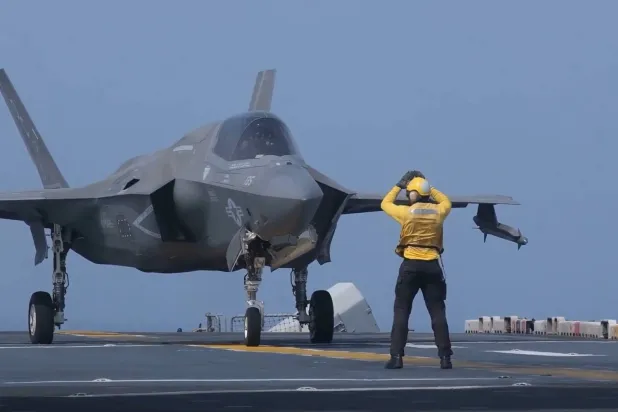
Regarding the Iranian attacks, Al-Budaiwi affirmed that since February 28 of this year, Iran has continued to launch ballistic missile and drone attacks on GCC states and other countries, without any legitimate justification and in blatant violation of the principles of international law, the UN Charter, and rules of good neighborliness, calling on the international community to deter Iran from continuing its aggressive policies in order to preserve international peace and security and protect the sovereignty of states.
He noted that these attacks not only target the victim states, but also represent an extension of an approach that harms the Iranian people themselves, who suffer under a regime that squanders the country's resources in policies of escalation and conflict instead of directing them towards development and improving the standard of living of its citizens.
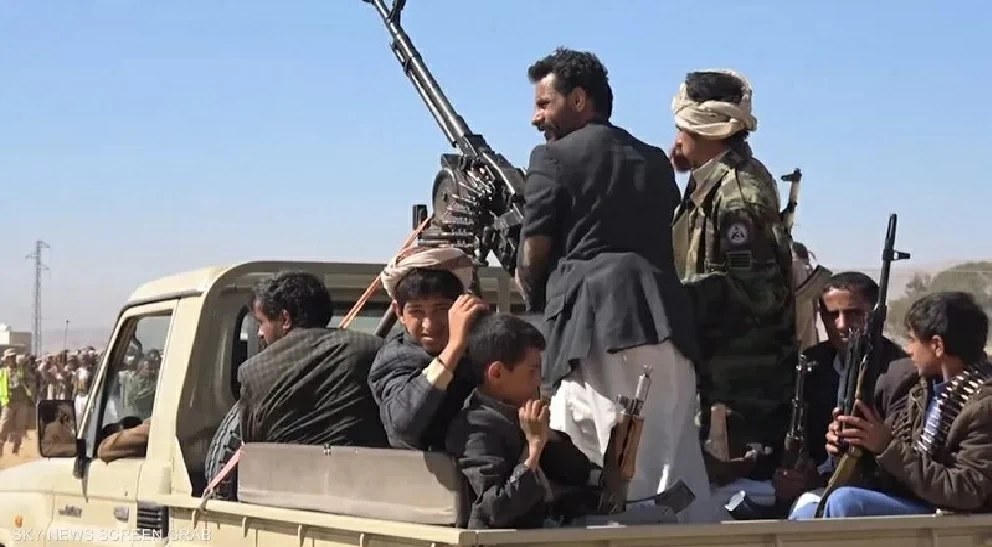
Regarding Houthi threats, the Secretary-General condemned in the strongest terms the irresponsible hostile statements issued by the Houthi militia, including false claims against the Kingdom of Saudi Arabia and the threat to close the Bab al-Mandab Strait, describing this as a blatant violation of international law and a direct threat to the freedom of international navigation and the safety of one of the most important strategic maritime corridors in the world.
He added that the GCC stands united with the measures taken by the Kingdom of Saudi Arabia to protect its security, the safety of its territorial sovereignty, and its vital interests, stressing that no party may use international maritime corridors as a means of blackmail or to undermine international peace and security.
Regarding Iranian practices in the Strait of Hormuz, Al-Budaiwi reviewed a number of violations, most notably: targeting commercial vessels, planting naval mines, attempts to impose mandatory routes within Iranian territorial waters, as well as explicit threats to prevent passage and repeated announcements to close the strait. He noted that these practices have resulted in human losses and suffering affecting more than 20,000 sailors of various nationalities.
Al-Budaiwi relied on Resolution 2817 adopted by the Security Council on March 11 of this year, initiated by the Kingdom of Bahrain on behalf of the GCC states and Jordan, which received support from 136 states in the broadest endorsement in the Council's history. It condemned the Iranian attacks on seven neighboring countries and decided that any attempt to obstruct freedom of navigation in the Strait of Hormuz constitutes a threat to international peace and security.
Al-Budaiwi concluded his speech by affirming the success of the GCC states in utilizing their natural resources to serve sustainable development and maintain stability in global energy markets, reiterating their commitment to remain a source of stability and a reliable partner in securing global energy supplies, and a steady voice for dialogue, de-escalation, and the primacy of the rule of law.
Original source: Sabq

Comments (0)
Be the first to comment.