Arab Condemnations of Iran's Attacks on Regional Countries: Sovereignty Violation and Dangerous Escalation
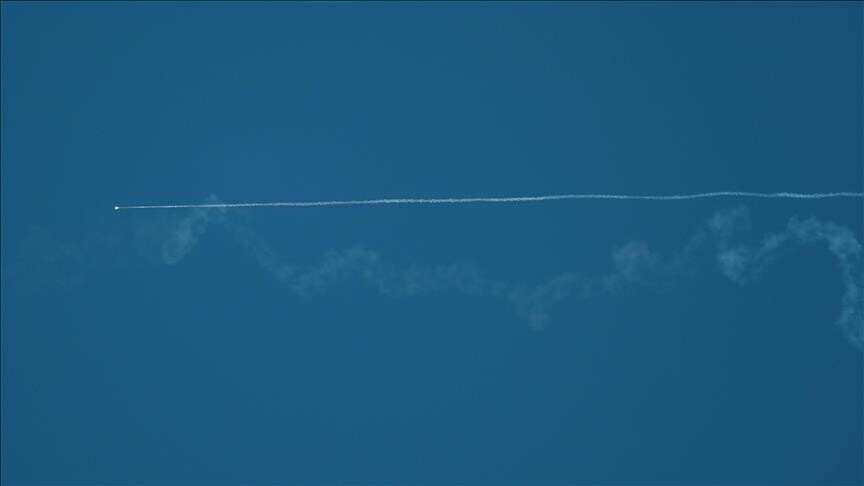
Jordan, Kuwait, Bahrain, UAE, and the Arab Interior Ministers Council condemned Iranian attacks that targeted 4 Arab countries on Friday
Istanbul / Anadolu
Arab countries and bodies on Friday condemned the Iranian attacks that targeted Bahrain, Qatar, Kuwait, and Jordan, considering them a violation of the sovereignty of the targeted countries and a dangerous escalation threatening the security and stability of the region.
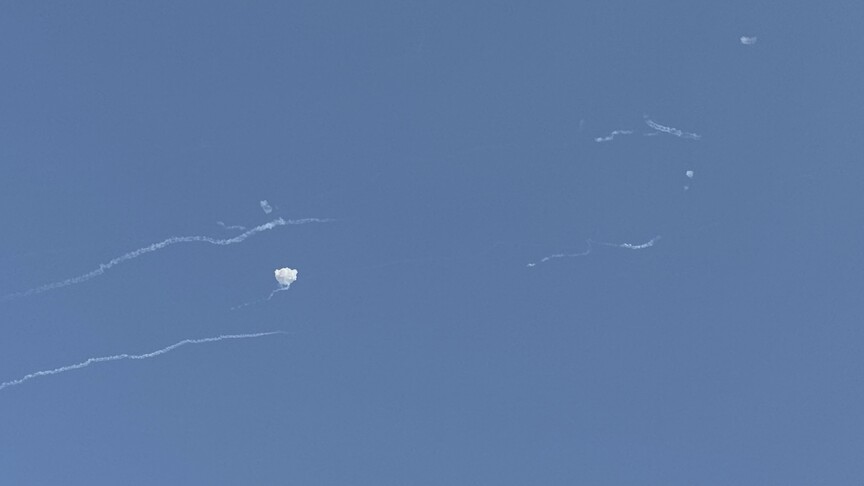
Earlier on Friday, the Bahrain Defense Force, the Qatari Ministry of Defense, the Kuwaiti Army, and the Jordanian Armed Forces announced that the air defense systems of the four countries had confronted Iranian attacks with missiles and drones.
This comes amid rising tensions between Washington and Tehran, as the United States has been striking Iranian areas for days, while Tehran responds by targeting what it says are American targets in countries in the region.
** Jordan
The Jordanian Ministry of Foreign Affairs condemned in a statement "the brutal Iranian attacks that targeted the Kingdom of Bahrain, the State of Qatar, and the State of Kuwait."
The Jordanian Foreign Ministry said the attacks represent a "flagrant violation" of the sovereignty of the targeted countries, a threat to their security, stability, and territorial integrity, and a "dangerous escalation and a blatant violation of international law and the United Nations Charter."
It affirmed "Jordan's absolute solidarity with Bahrain, Qatar, and Kuwait, and its standing with them in all steps they take to protect their sovereignty, security, and the safety of their citizens and residents."
Earlier on Friday, the Jordanian Armed Forces said that air defense systems intercepted and shot down 3 Iranian missiles that entered Jordanian airspace and were targeting the kingdom's territory, according to the official Petra news agency.
** Kuwait
For its part, the Kuwaiti Ministry of Foreign Affairs expressed its "strong condemnation and denunciation of the heinous Iranian attacks that targeted the Kingdom of Bahrain, the State of Qatar, and the Hashemite Kingdom of Jordan."
The ministry considered the attacks a "flagrant violation of the sovereignty of the targeted countries and their territorial integrity, and a direct threat to the security of their peoples and residents on their territories."
It affirmed Kuwait's full solidarity with the three countries, standing by their side and supporting all measures they take to deal with the repercussions of the attacks and preserve their security and stability.
Earlier on Friday, the Kuwaiti Army said via its account on the American platform X that the country's air defenses were confronting hostile missile and drone attacks, against the backdrop of what it described as "the heinous Iranian aggression."
** Bahrain
For its part, the Bahraini Ministry of Foreign Affairs strongly condemned the repeated Iranian attacks that targeted civilian and vital facilities in Bahrain, Kuwait, Qatar, and Jordan with missiles and drones.
The ministry said the attacks represent a "dangerous escalation threatening the safety of civilians and regional security and stability, and a flagrant violation of the rules of international law, the United Nations Charter, and principles of good neighborliness."
It affirmed Bahrain's full solidarity with the targeted countries and its support for their right to take all legitimate measures to defend their sovereignty, security, stability, and protect citizens and residents on their territories.
It also expressed appreciation for the efficiency of the Bahrain Defense Force and the air defenses in the region's countries and their readiness to confront the attacks.
It renewed its call on the international community, especially the Security Council, to take firm and deterrent measures to compel Iran to cease its hostile actions and ensure the security, safety, and freedom of maritime navigation in the Strait of Hormuz.
The General Command of the Bahrain Defense Force said in a statement that air defense systems intercepted and destroyed a number of "Iranian aerial attacks," without providing additional details.
** UAE
The UAE Ministry of Foreign Affairs condemned "in the strongest terms the renewed aggressive Iranian attacks that targeted Bahrain, Kuwait, Qatar, and Jordan with missiles and drones."
It affirmed that the attacks represent a "flagrant violation of the sovereignty of brotherly countries and a threat to their security and stability."
It renewed the UAE's full solidarity with the four countries and its support for all measures to preserve their security and stability.
** Arab Interior Ministers Council
In the same context, the General Secretariat of the Arab Interior Ministers Council condemned the Iranian attacks with ballistic missiles and drones on Qatar, Kuwait, Bahrain, and Jordan.
It said in a statement that the attacks represent a "flagrant violation of international law and principles of good neighborliness, and threaten security and stability in the region."
It considered them part of "hostile behavior that would undermine security and stability and threaten international peace and security."
It renewed its full solidarity with the four countries and its support for the measures they take to protect their security, sovereignty, territorial integrity, and their citizens and residents.
The Qatari Ministry of Defense announced it had confronted an Iranian missile attack targeting the state, while the Ministry of Interior said a child was injured by falling debris from the interception operations.
On June 18 last, Washington and Tehran signed a memorandum of understanding that included a ceasefire, and began negotiations mediated by Pakistan and Qatar to end the aggression launched by the United States and Israel on Iran on February 28 last.
However, US President Donald Trump announced on July 8 the end of the ceasefire amid renewed escalation, after Tehran attacked, a day earlier, 3 ships while crossing the Strait of Hormuz, claiming they did not comply with the navigation route it had set, prompting Washington to launch attacks on sites inside Iran.
Washington supports the passage of commercial ships through the Strait of Hormuz on a route different from that set by Iran, which Tehran rejects, stressing that it targets any ship that does not coordinate with it before crossing the strategic strait for global energy supplies.
Original source: Anadolu Agency





Comments (0)
Be the first to comment.