Researcher: The prickly Strait of Hormuz issue has become a main flashpoint between US and Iran

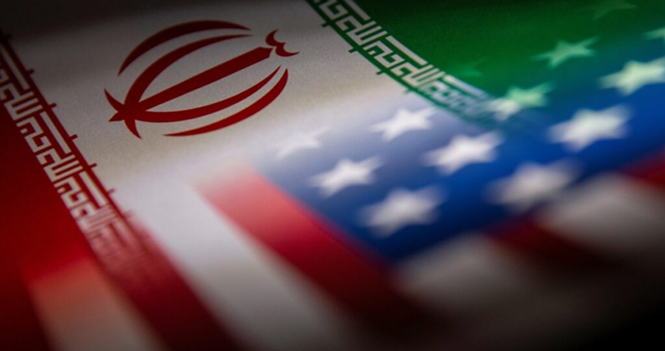
Dr. Nabil Al-Atoum, director of the Iranian Studies Program, affirmed that the Strait of Hormuz file has turned into a main conflict hotspot between the United States and Iran, describing it as a thorny and dangerous issue.
This escalation comes in the context of ongoing tensions between Washington and Tehran over Iran's nuclear program and its regional influence.
Al-Atoum, in an intervention on Al-Arabiya FM radio, pointed out that this situation has resulted in a gradual military escalation while avoiding a full confrontation, at a time when the US strategy has witnessed shifts in dealing with the Strait of Hormuz.
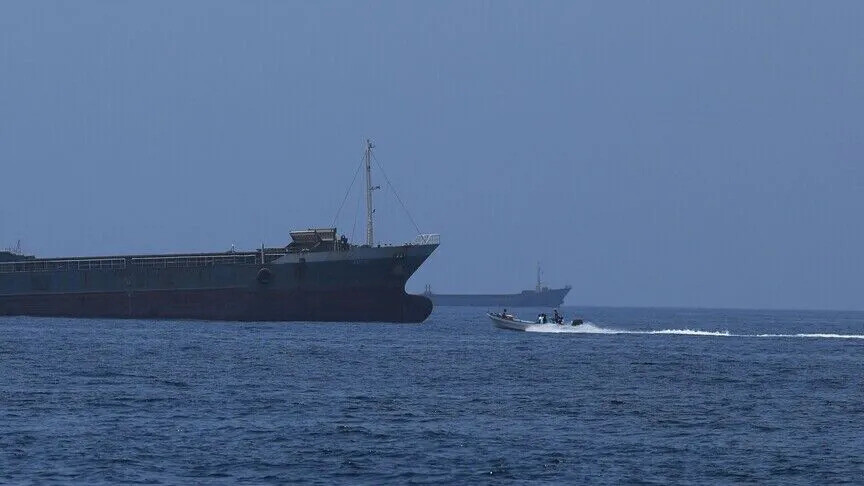
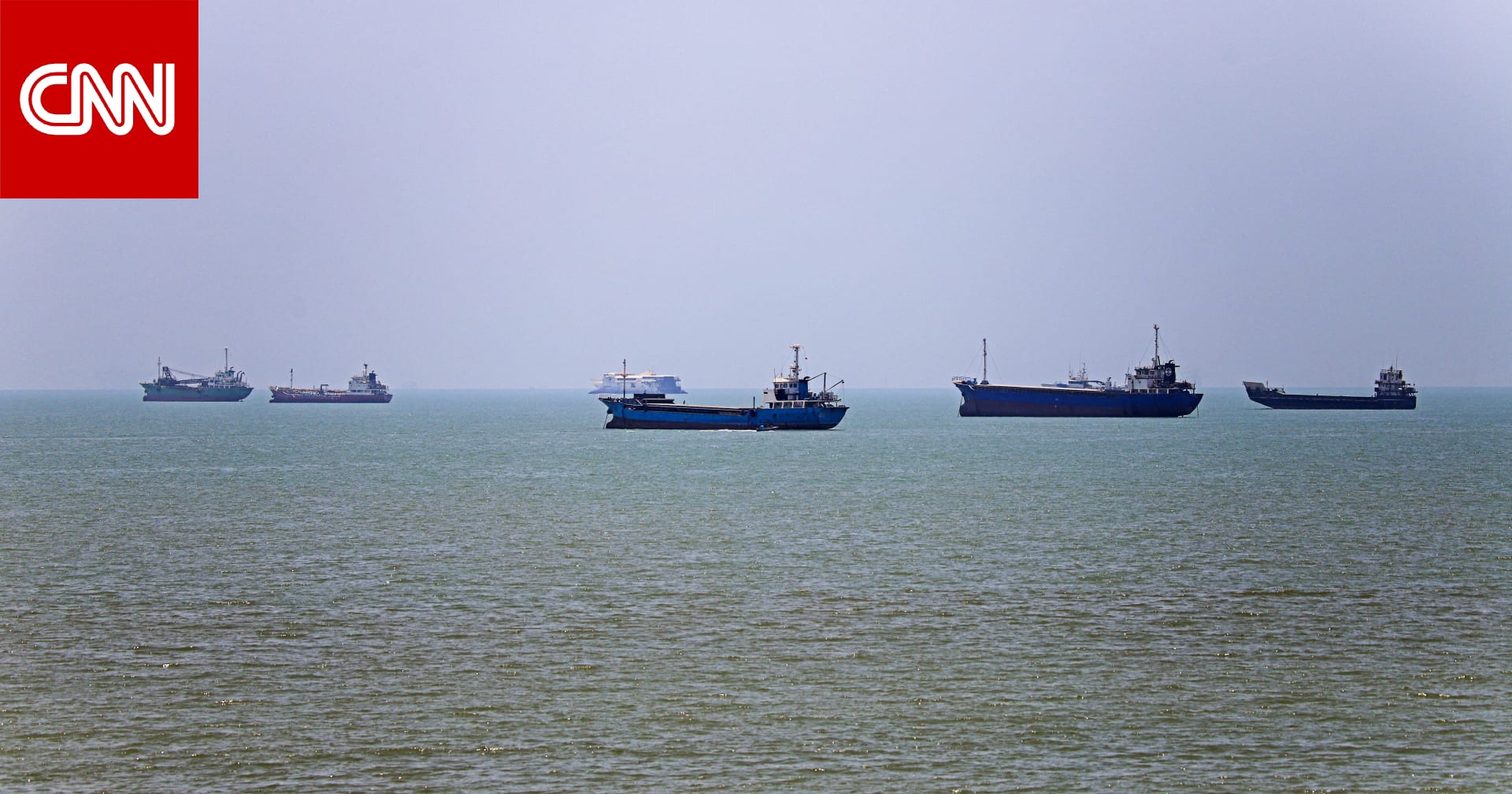
He added that the United States has moved to a new policy by escalating operations and sending a clear message to Iran that the latter will pay a heavy price for closing the strait, noting that US operations focus on reducing Iran's ability to target maritime navigation in the Strait of Hormuz, by gradually entering a phase of strategic decisiveness through imposing US military superiority under a vision to end the conflict.
The US Central Command (CENTCOM) forces are scheduled to resume imposing a blockade on maritime navigation to and from Iranian ports, starting July 14 at 4:00 PM Eastern Time.
It added that it will impose the blockade on ships heading to or coming from Iranian ports and coastal areas, and US military forces continue to support the flow of navigation through territorial waters for all ships that do not violate the blockade.
Display the tweet on platform X
Analyses indicate that US operations aim to reduce Iran's ability to target navigation in the strait, while avoiding the outbreak of a full-scale war. Moreover, imposing a naval blockade is an escalation step that may push Tehran to respond through unconventional means, further complicating the scene in the region.
Original source: Ajel.sa


Comments (0)
Be the first to comment.