Jordanian army downs 4 drones and 4 Iranian missiles
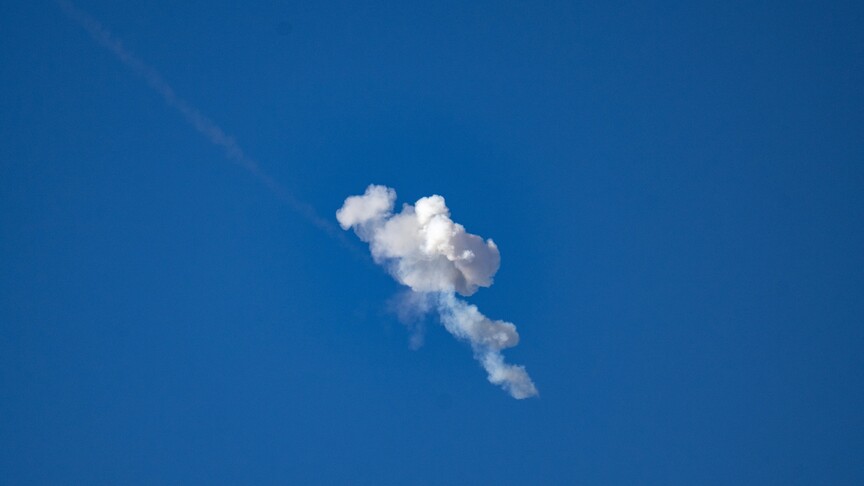
And the fall of two missiles in two remote areas without injuries or damage, according to the army
AMMAN / Leith al-Junaidi / Anadolu
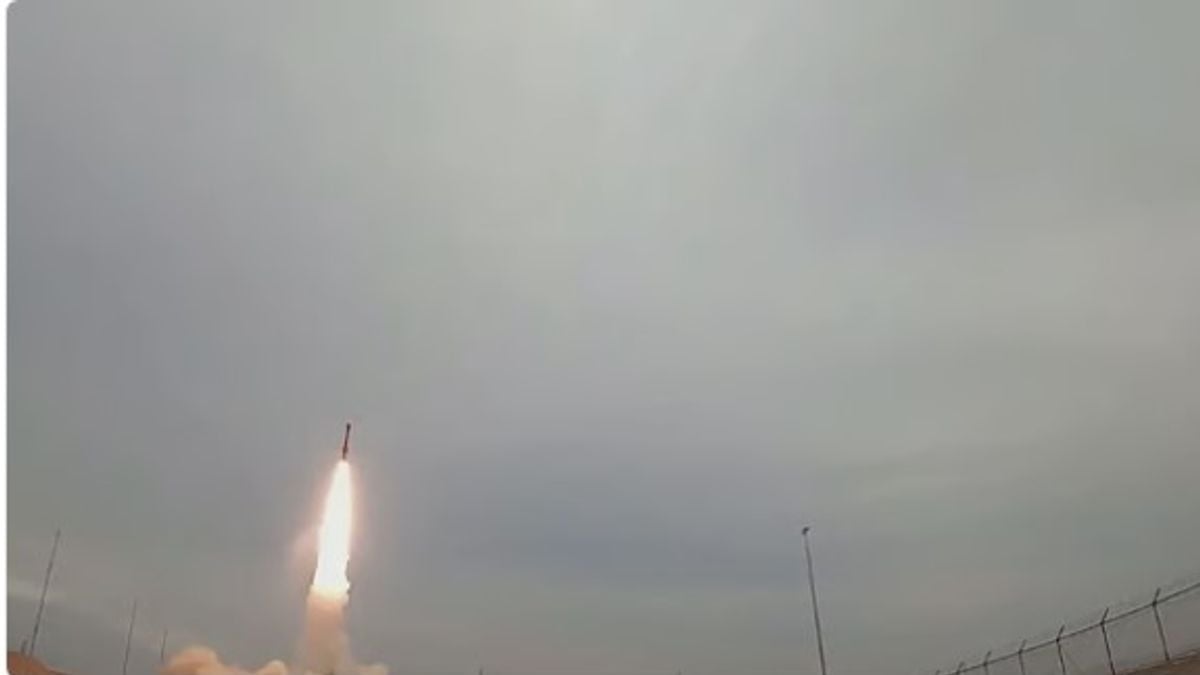
The Jordanian army announced Wednesday the downing of 4 Iranian drones and 4 missiles, and the fall of 2 missiles in two remote areas.
The army quoted in a statement a military source described as "responsible" as saying that Royal Air Force aircraft intercepted and shot down in the morning 4 drones coming from Iran that targeted Jordanian territory.
He added that the interception and downing operation did not result in any human casualties or material damage.
In an earlier statement on Wednesday, the source said that "air defense systems tracked today 6 missiles coming from Iranian territory targeting the Kingdom's territory, and dealt with them as soon as they entered Jordanian airspace."
He continued: "Air defenses intercepted and shot down 4 missiles, while the other 2 missiles fell in two remote, uninhabited areas, without any human casualties or material damage."
The source added that "Royal Engineering Corps teams moved to the sites where the two missiles and shrapnel from interception operations fell, and worked to secure the sites and handle the remnants."
He affirmed that "the armed forces continue to monitor the Kingdom's airspace and maintain the highest levels of operational readiness to deal with any threat targeting the Kingdom's security and the safety of its citizens."
On a daily basis, Jordan announces the downing of ballistic missiles and drones launched by Tehran, against the backdrop of the war launched by the United States and Israel on Iran on February 28 last.
For more than 10 days, Washington has been launching daily attacks on Iran, and Tehran responds with attacks targeting what it says are American military installations and equipment in Arab countries, especially Jordan, Kuwait, and Bahrain.
US President Donald Trump announced on July 8 the end of the ceasefire stipulated in the memorandum of understanding signed with Iran on June 18 last.
Trump's announcement came after Iran targeted 3 commercial ships in the Strait of Hormuz, as Tehran insists on imposing a mechanism to regulate the passage of ships through the strait overlooking its coasts, while Washington demands "ensuring freedom of navigation and its security in the strait."
The escalation has caused disruption of navigation through the Strait of Hormuz and threats to air traffic and energy supplies, amid intermittent closures of airspace and warnings of targeting American facilities and interests outside the Middle East.
Original source: Anadolu Agency


Comments (0)
Be the first to comment.