Arab Harvest at 2026 World Cup: Morocco Continues to Shine, Egypt Regains Prestige, and Disappointments for Asian Teams
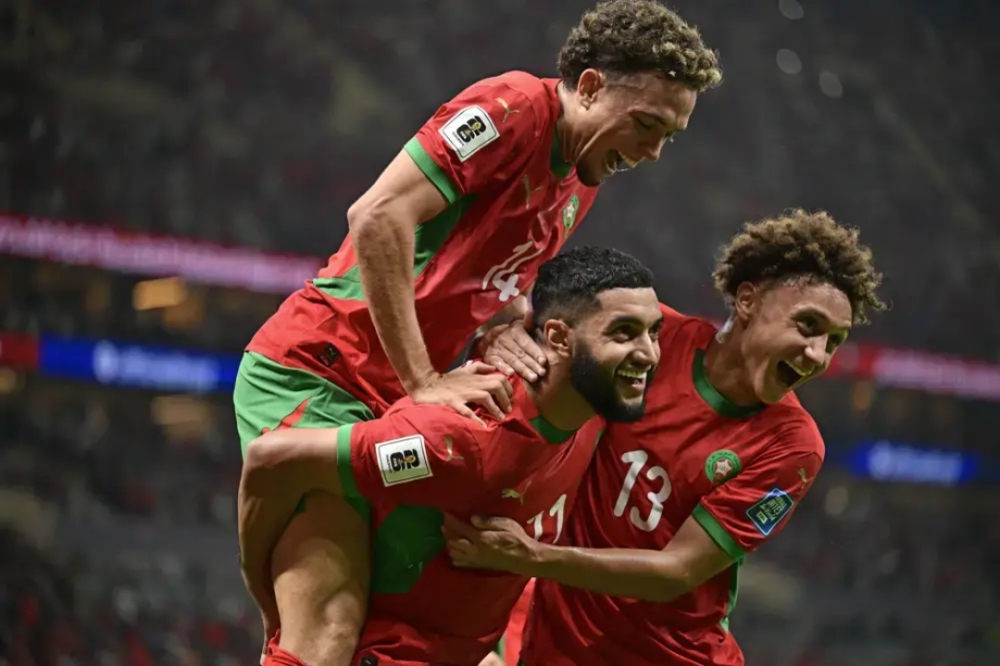
Morocco reached the quarter-finals, Egypt impressed before losing to Argentina, and most Arab teams exited early, with Tunisia and Iraq disappointing, while Saudi Arabia and Jordan struggled.
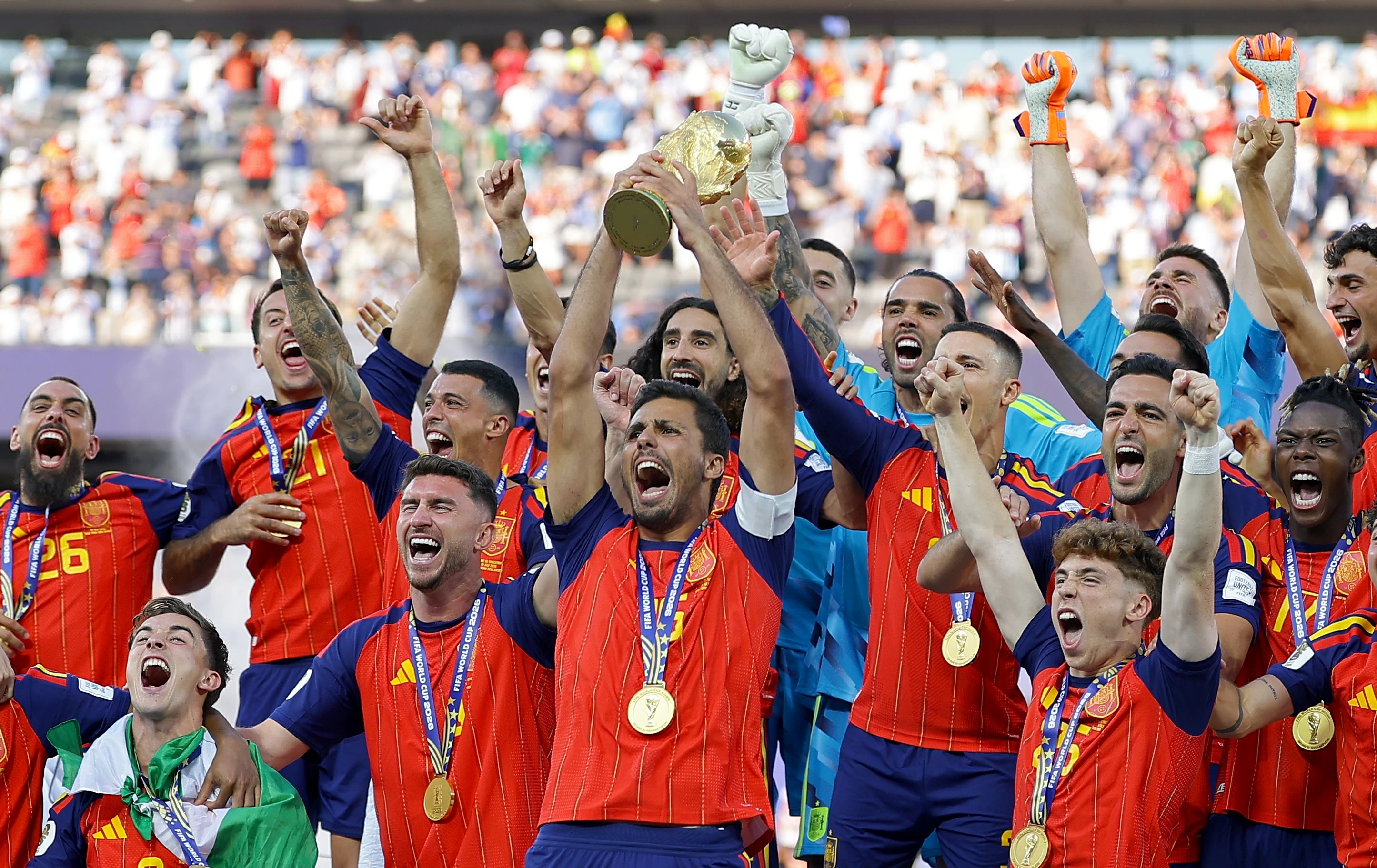
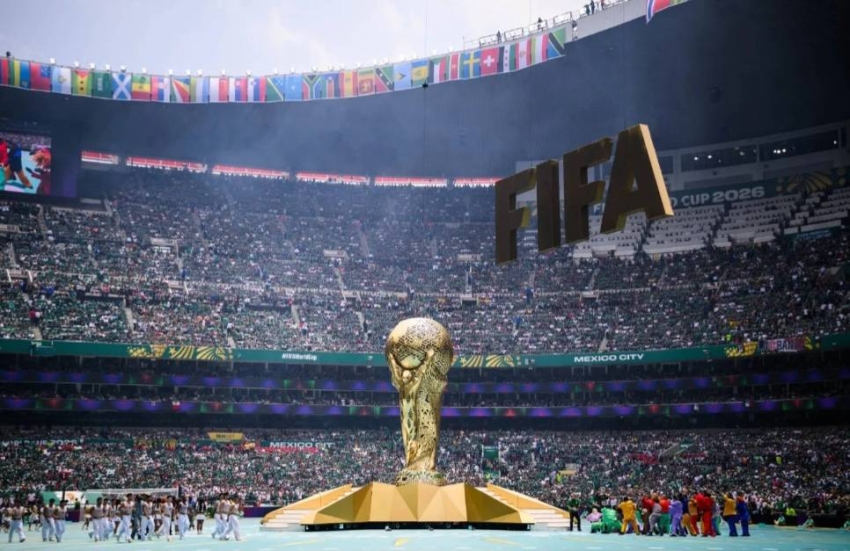
Morocco confirmed it has joined the ranks of elite teams, while Egypt avenged lean years in the World Cup, as the majority of Arab teams exited early from the group stage of the 2026 edition, which concluded Sunday in North America with Spain crowned champions.
Morocco entered the World Cup with a historic achievement from Qatar 2022, when it became the first African and Arab team to reach the semi-finals, eliminating along the way the likes of Cristiano Ronaldo's Portugal and Spain, who won the European Championship two years later.
Related News
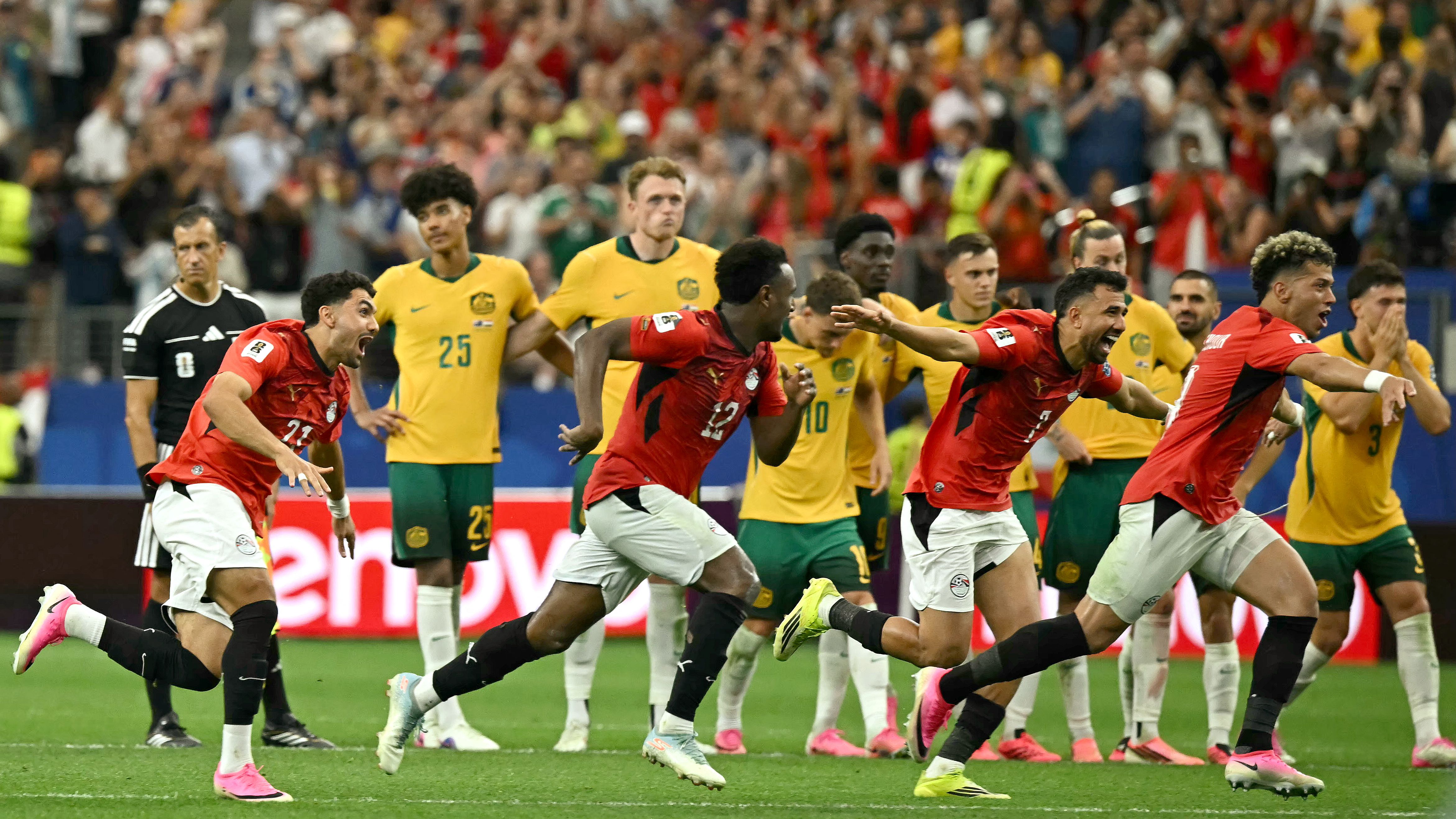
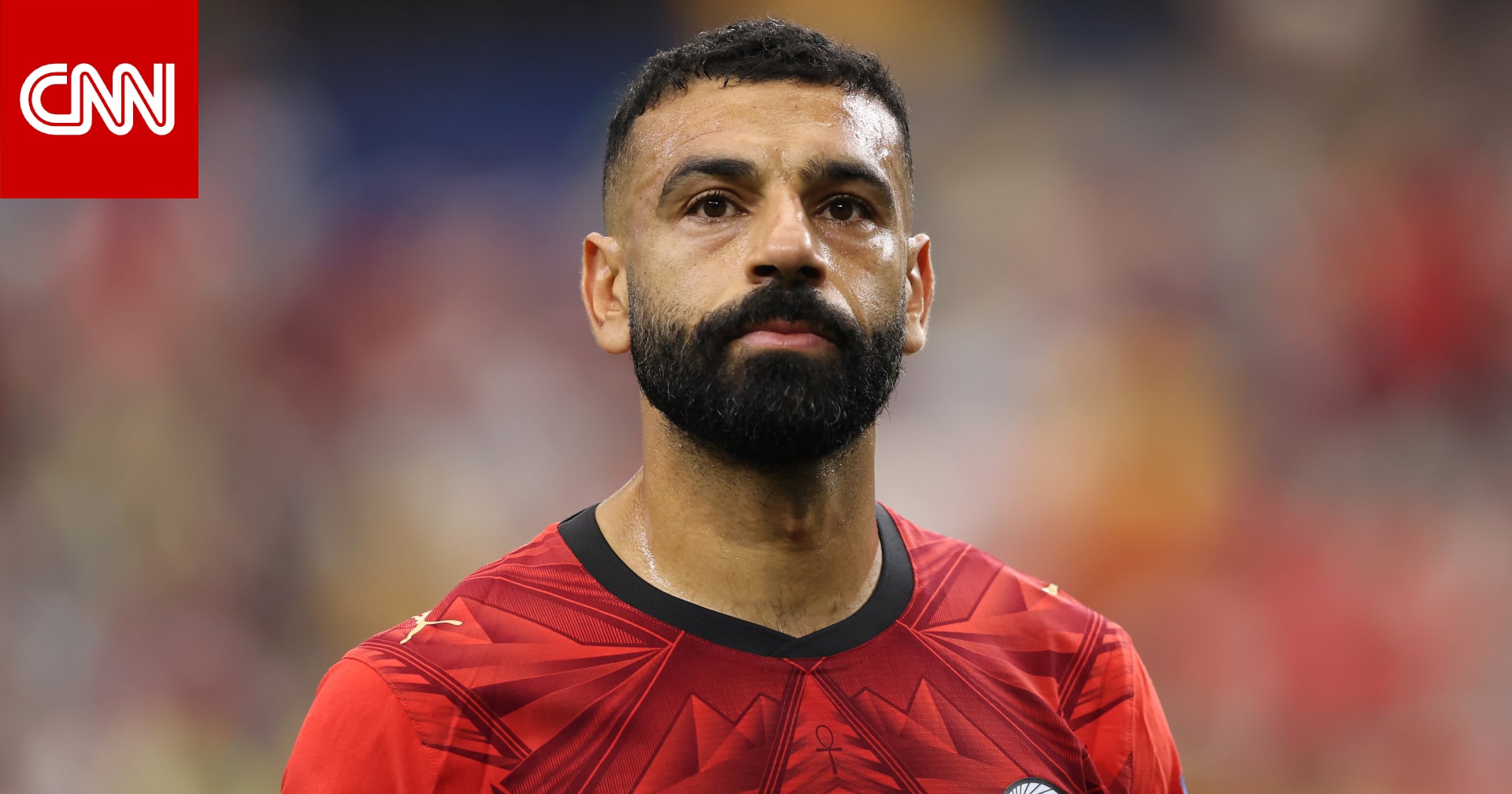
The 'Atlas Lions' confirmed that reaching the semi-finals three and a half years ago was no fluke, as they returned to reach the quarter-finals, but they still need added value to overcome the major teams and win the prestigious title. The ceiling of ambitions has risen, to the extent that fans now want both results and style, so the leader of the 2022 campaign, coach Walid Regragui, was dismissed three months before the tournament, and replaced by Mohamed Ouhibi after his sensational achievement of winning the Under-20 World Cup. Indeed, the 'Atlas Lions' started the World Cup with a convincing result and performance against Brazil (1-1), before beating Scotland 1-0 and modest Haiti 4-2. They faced a serious test against the Netherlands in the Round of 32, when the three-time runners-up led them until stoppage time. But their composure gave them victory on penalties, with a giant goalkeeper between the posts, veteran Yassine Bounou. After qualifying for the Round of 16, Ouhibi said that 'everyone now respects Morocco', and did not hide his team's intention to win the World Cup title, a desire that a few years ago was considered madness. Against Canada, one of the three host nations, Morocco struggled in the first half before thrashing their opponents 3-0 in the second. They entered the match against France, who feared a surprise and revenge for the 2022 semi-final. But realism imposed itself again: French dominance and Moroccan defense, the 'Lions' teeth did not show in Boston, as France controlled almost completely and won again 2-0. - The Pharaohs' Adventure - The surprise of the Arabs in this tournament was the Egyptian team, which participated for only the fourth time, despite winning a record seven African Cup of Nations titles. An opening draw with Belgium 1-1, then a first-ever win over New Zealand 3-1, before a noisy match with Iran ended in a 1-1 draw, so coach Hossam Hassan's players achieved an unbeaten campaign for the first time. The 'Pharaohs' were not satisfied with qualifying, but also beat Australia on penalties, then faced the Argentine giant, turning into a showdown with the defending champion. Egypt thought it would cause one of the biggest upsets in finals history, after Mohamed Salah and his teammates led 2-0 until the 79th minute, but Lionel Messi and his teammates had other ideas, turning the tables 3-2 in a crazy match in Atlanta. Hossam Hassan said, objecting to the referee's decisions, 'Maybe they wanted to keep the world champions in the competition. Maybe they wanted Messi to stay in the race.' To the beat of drums and national anthems, the team received a heroes' welcome upon its return home. Mohamed Salah wrote, 'I will do my utmost to make this a new beginning for Egyptian football on the international stage.' Algeria was the third Arab team to qualify, with an exciting 3-3 draw against Austria, after opening its campaign with a 0-3 loss to Argentina and then a 2-1 win over Jordan. The 'Desert Warriors' reached the knockout stage for the second time after 2014, but their journey ended against Switzerland 0-2. - Asian Arabs Far Behind - The Arabs benefited greatly from the expansion from 32 to 48 teams, as eight teams participated, evenly split between African Arabs and Asian Arabs. The results showed the superiority of African Arabs, while Qatar, Jordan, Iraq, Saudi Arabia, and Tunisia exited early. Only Tunisia broke the streak of African Arab success, with shocking results, as their complex of advancing past the first round continued. For the first time in World Cup history, a coach was sacked after the first match, as Sabri El Mouchi paid the price for the Carthage Eagles' opening 1-5 defeat to Sweden. Frenchman Hervé Renard was hastily called in, but the red team appeared broken, losing to Japan 0-4 and then the Netherlands 1-3 after losing hope. Renard gave a frank assessment of Tunisia's weakness, and Tunisia decided not to continue with him after the World Cup: 'We were not at the required level for this World Cup. That is clear. No debate about it.' Like Tunisia, Iraq's campaign was disappointing, losing their opener 1-4 to Norway, then 0-3 to France, before suffering a final 0-5 slap from Senegal while depleted. After a second participation (first in 1986) without earning any points, Iraq's Australian coach Graham Arnold said, 'When you make the mistakes we made, you get punished in the World Cup. Our group was very tough here.' The Iraqi federation formed a committee to negotiate with Arnold to renew his contract. After an unprecedented opening point against Switzerland from a header by veteran defender Boualem Khoukhi, Qatar collapsed 0-6 against Canada. And while hoping for a win to qualify against Bosnia, the 2022 hosts suffered another 1-3 loss. After elimination, federation president Jassim Al-Buainain announced his resignation after three years in the post. - Two Points Not Enough for Saudi Arabia - After much debate about the minimal participation of Saudi national team players in the domestic league due to the attraction of many world stars, led by Ronaldo, the 'Green Falcons' earned two points against Uruguay (1-1) and Cape Verde (0-0), but suffered a painful 0-4 loss to Spain in between. Greek coach Georgios Donis admitted after the Cape Verde match that his team did not feel capable of winning: 'The performance was not good, the journey itself was difficult but good... The circumstances were pressuring and that made us lose control.' Saudi federation president Yasser Al-Meshal resigned after the early exit. - Jordan Coach Proud - Despite bidding farewell early in their first participation, with losses to Austria 1-3 and Algeria 1-2, Jordan's Moroccan coach Jamal Sellami focused on the positives. The 'Al-Nashama' coach said before his team's third match against Argentina, which they lost 1-3: 'As a first World Cup participation, we are happy and proud of the performance we showed in the previous two matches. It was an important experience for all of us.' The Jordanian federation sacked Sellami, whose contract was due to end after the 2027 Asian Cup, and then appointed his compatriot Badou Zaki on Sunday.
Original source: Al-Yaum

Comments (0)
Be the first to comment.