The Team of the Last Quarter-Hour

Listen to the article: Audio text automatically generated by an automated system
0:00
3 minutes to read
While watching the match between Argentina and England, I wished for an English victory. As time passed, I couldn't help comparing the Egyptian and English national teams. The opponent is the same and the tactics they follow don't change. It seemed to me that German Thomas Tuchel, the England coach, is another Hossam Hassan. Protesting with physical gestures against the violent interventions of Argentine players, which the referee overlooks. Messi's team did not specifically target Egypt's players during their last match... this is their playing style. Some call it physical and mental boldness to impose dominance and prevent the opponent from possessing the ball. I call it 'football violence', but it is smart and calculated violence.
Argentina's style is to play on the edge of the law and stop just short of 'committing the crime'.
The British newspaper The Telegraph called this style 'the dark arts of play'. The newspaper documented 31 different incidents during the match two nights ago: violent tackles, verbal provocations, attempts to disrupt play, and physical pressure on the opponent without falling into the trap of harmful impulsiveness. There is also constant quarreling with the referee and making him feel that he is overlooking the opponent's mistakes. Argentina does not offer beautiful, enjoyable football; victory is the goal. Fighting spirit and determination to win every shared ball with the opponent are characteristics of Argentine football today. The players have absolute faith that their national team does not lose.
Argentina struggled in its last three matches against Egypt, Switzerland, and England.
But Hossam Hassan and Tuchel followed almost the same method in dealing with it: retreating and early defense after scoring the lead goal and failing to manage space on the field. This gave Argentina the opportunity and courage to turn the tables. Argentina's comeback in the last quarter of an hour is a phenomenon that must be studied. How do opponents from different football schools fail to kill the match and stop the Argentine attacking machine? A British sports critic commented on this: 'When toughness was required in the final minutes, that toughness was completely absent.' The spirit of fear of Messi's team possessed the English national team. England played with five defenders in the second half. Argentina dominated play.
Messi's role cannot be denied. Some may dislike him after our national team's match, or because of his views and biases towards Israel, but he is a true legend. At 39 years old, he still makes a difference. He overcame the English defense complex with two silky touches that turned the match around and led his country to the World Cup final. He no longer runs much but positions himself in spaces no one else sees. Until the 86th minute, when Argentina equalized, I kept telling myself that Messi's magic had worn off. But I was wrong. The Argentine team itself enjoys an exceptional state of harmony among its players. They fight hard for the ball. Their passes are vertical and fast. With one or two touches they reach the opponent's goal. Their transitions from attack to defense are extremely fast and precise.
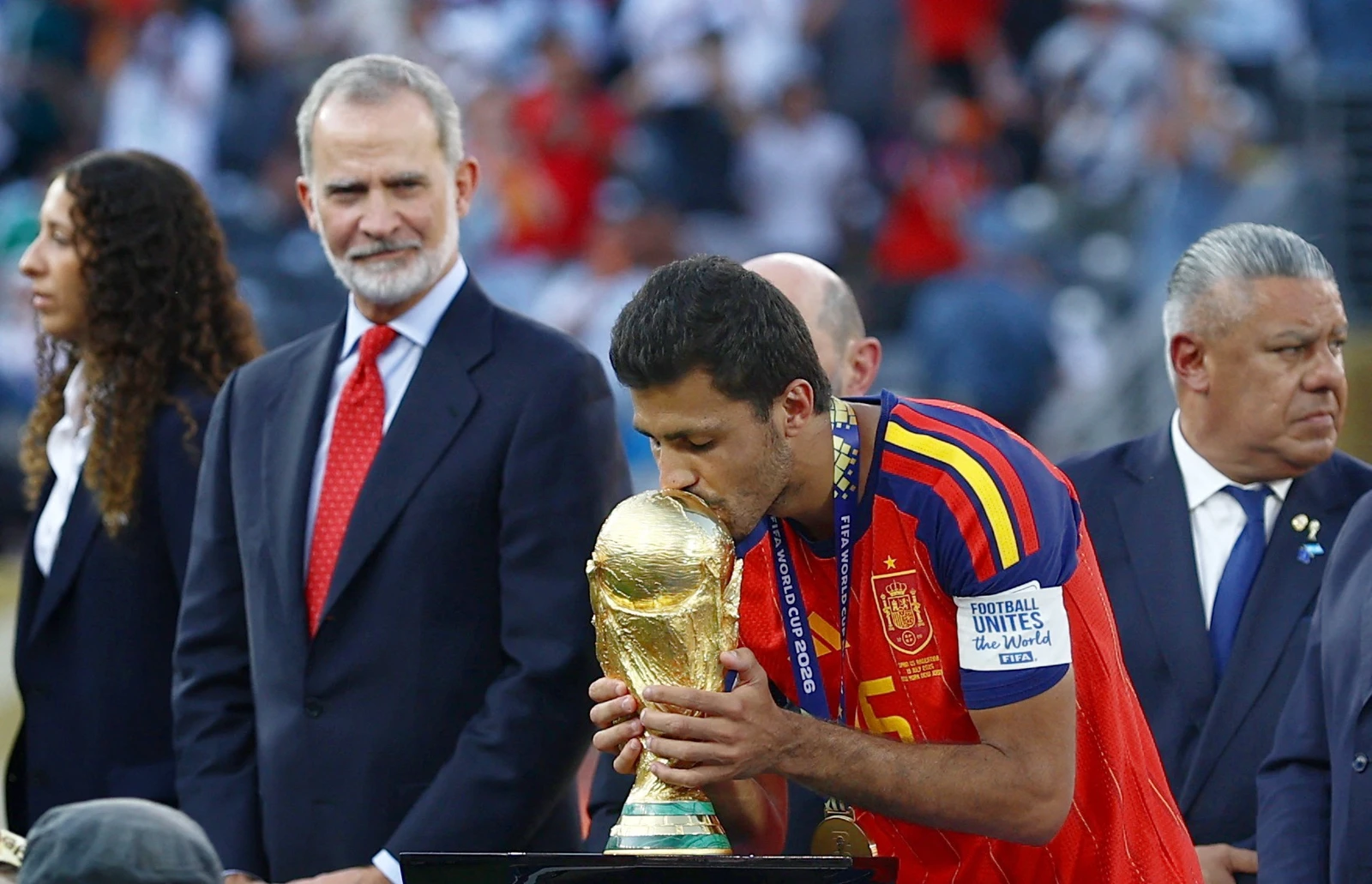
Our preconceived positions on Argentina and the dust of the refereeing controversy may prevent us from enjoying the final against Spain... but for myself, I will try to isolate or reduce my negative feelings and focus on 'the beautiful game'. Football has never been a fair game, but we love it because it is unpredictable and not rigged; it contains beauty, enjoyment, excitement, and disappointment, but in the end it is a sport... no more, no less.
Quoted from Al-Masry Al-Youm
Advertorial
Advertorial
Disclaimer: All published articles represent the views of their authors only.
Original source: Al Arabiya




Comments (0)
Be the first to comment.