The Ukrainian War and Rational Thinking

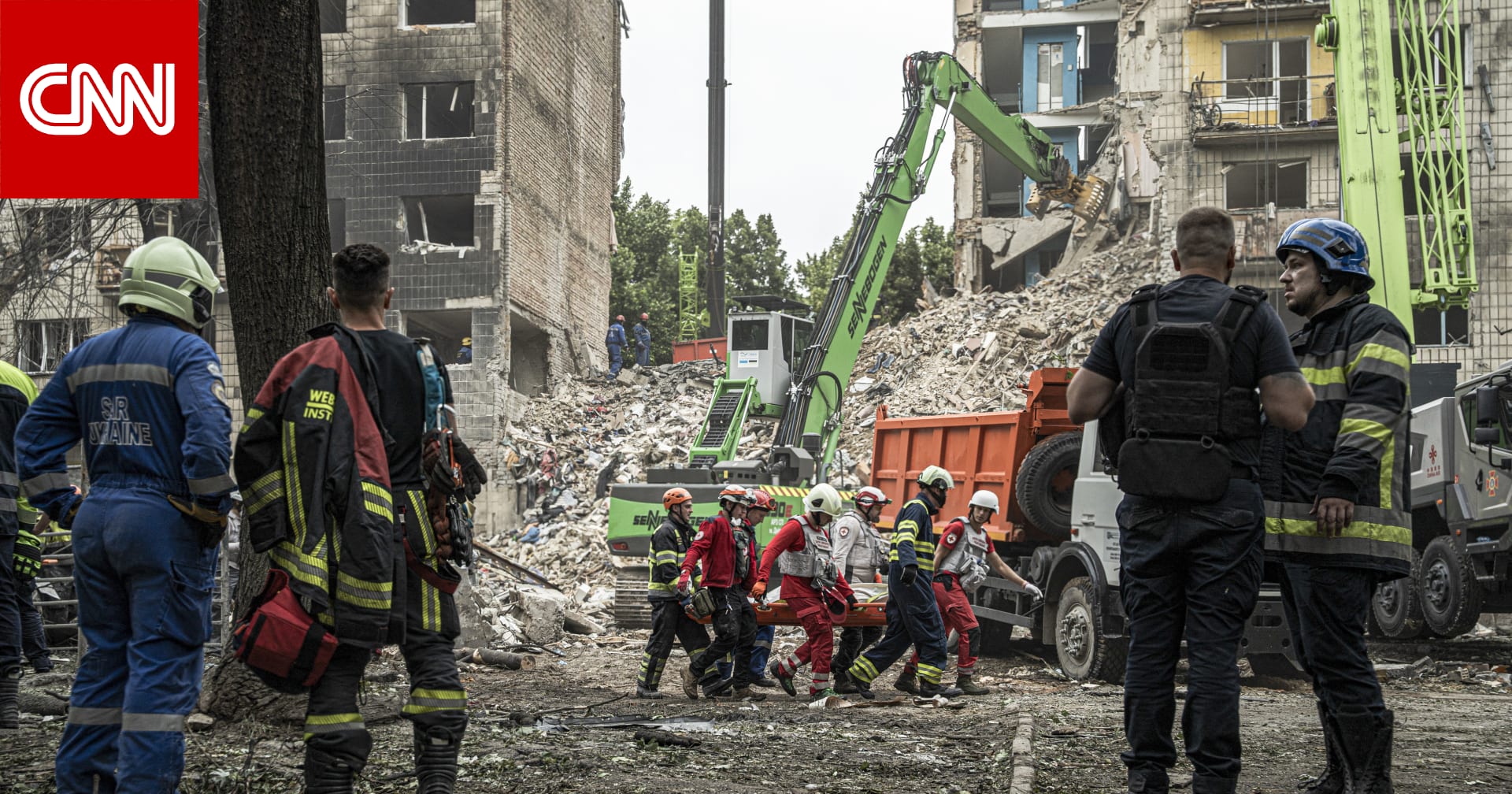
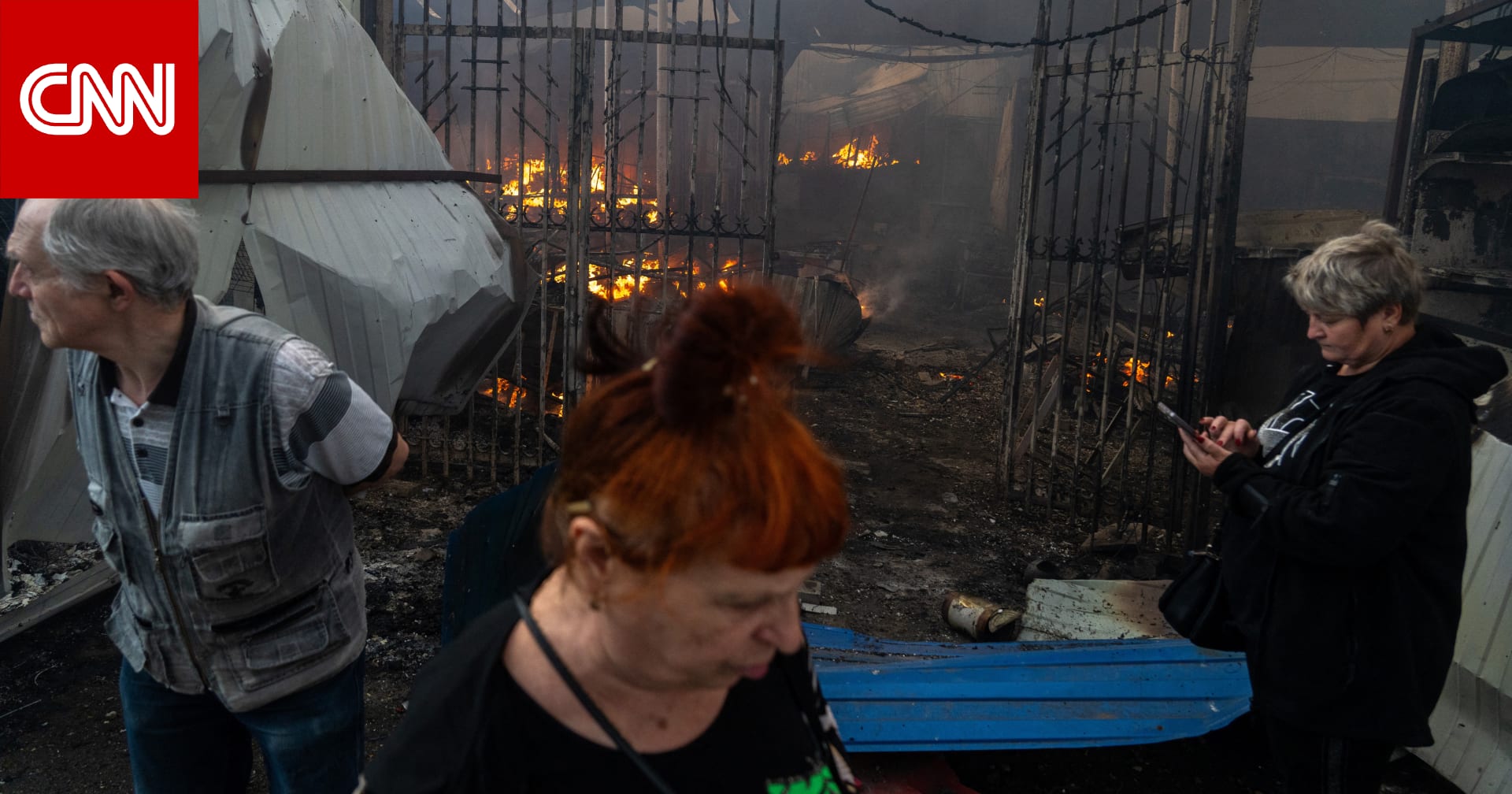
The Russian-Ukrainian war is witnessing further escalation in recent days, despite US President Donald Trump's continued statements about an imminent ceasefire and a peaceful settlement, and despite the main conflicting parties, Russia and Ukraine, denying Trump's claims.
The Western European side continues to escalate and increase its military, economic, and political support for Ukraine, while increasingly distancing itself from Russia, which recently reiterated its position that Western Europe should not participate in any settlements supervised by Washington.
Many aspects of this war have been discussed over the years, notably the entrenchment of imperialist tendencies that overflowed in President Putin's statements, and then the US President came to speak about them perhaps more explicitly, going beyond the regional geographical framework expressed by Moscow to entrench an American expansion and hegemony stretching from the Panama Canal in the west to Greenland and Canada in the north, and recently to the Strait of Hormuz, revealing the features of a world different from what we knew after World War II and the establishment of the United Nations system. Now we are returning to a world witnessing an escalating collapse of international law concepts and a regression of humanity to the era of empires and the domination of the powerful.
However, even more dangerous than imperialist tendencies - which can perhaps be confronted and resisted in their current high tide - is, in my view, the noticeable decline in the rules of rational thinking, a decline we see in many current international conflicts and which is particularly revealed by the war in Ukraine and the current Iran war.
Since the beginning of this war, President Trump has not stopped claiming that he could have stopped this runaway war before it happened. In fact, this claim is one of the few things, perhaps the only thing, I agree with him on.
I believe that if some Western parties, not just Washington, had contained the justifications for the outbreak of war, all parties would have achieved much better interests and results, whether for the direct warring parties or the supporting parties of each camp, although I exclude China, which remains one of the biggest beneficiaries of this war.
Some might argue that the Western camp or alliance benefited from this war by restoring its cohesion, which the Biden administration successfully achieved. But this view ignores that the price was economically costly even for the United States.
Moreover, the shifts in the Trump administration have effectively led to a decline in the cohesion of the Western alliance, plunging it into a tunnel of unclear contours and weakening the confidence of all Western allies in the wisdom of relying on the American umbrella for protection. This means that the cohesion achieved by the Western camp has diminished, but the painful lesson of Trump has prompted alliance members to reconsider their defense plans, potentially achieving greater independent capabilities in the future.
The Western camp, especially Western Europe, continues to pay a heavy economic price to finance the attrition of Russia by Ukraine in this war. In reality, the attrition of Russia also means the attrition of the Ukrainian people, both humanly and economically, as well as the economic attrition of Western European countries.
From the Russian perspective, achieving its war goals and imposing control over all of eastern Ukraine might be emptied of meaning if Russia emerges from this war having suffered enormous economic and military losses. In fact, history tells us of many cases where countries won battles but faced subsequent political setbacks due to the cost of those wars.
Some may imagine that Ukraine is defending the Western liberal system and its political independence and right to join the Western alliance. In truth, this logic has its merits, but it must also be viewed from other dimensions. One of the foundations of foreign policy making is the importance of considering historical and geopolitical factors. Undoubtedly, there are many shared interests between the Russian and Ukrainian peoples. Even if this geographical proximity is a source of conflicts and sensitivities - which is not the case here compared to many other neighboring situations - wisdom would have dictated accommodations and positive initiatives, as these geographical considerations will not change; they are constants of foreign policy, and true great leaders understand the importance of these geographical considerations and do not ignore them, thereby passing on more complexities to future generations.
If there were European wisdom in the Western camp and the Russian camp, these parties would view the shared future differently from what is happening. In fact, everything that is happening serves to entrench the interests and power of essentially two parties: the United States and China, as if this war adds more human and economic attrition to the old continent - which is confirming that it is now old - in favor of these other powers.
All of this without even addressing the losses to the global economy and most countries of the world due to this war and its prolonged duration.
We know that many decisions of states and people are not based on rational thinking; otherwise, the world would not be as we see it now. But the dangers of this in a world of weapons of mass destruction, rapid technological development, and climate change require a moment of reflection to prevent further deterioration of the world.
We know that many decisions of states and people are not based on rational thinking; otherwise, the world would not be as we see it now. But the dangers of this in a world of weapons of mass destruction, rapid technological development, and climate change require a moment of reflection to prevent further deterioration of the world.
Quoted from "Al-Masry Al-Youm"
Advertorial
Advertorial
Disclaimer: All published articles represent the views of their authors only.
Original source: Al Arabiya



Comments (0)
Be the first to comment.