Israeli Hints of Attacking Iran Amid Anticipation of Washington's Position
Khaled Youssef – Istanbul – Anadolu
These developments come amid continued tension between the United States and Iran over Tehran's nuclear program and the backdrop of repeated Israeli threats.
- Public Broadcasting: Netanyahu to hold a meeting of the security cabinet on Friday to discuss preparations amid possible escalation over the weekend
- Katz: Israel is ready for all possibilities; if Iran attacks, it will receive a crushing blow
- Israeli official to Yedioth Ahronoth: The key to developments in the coming days is in President Trump's hands
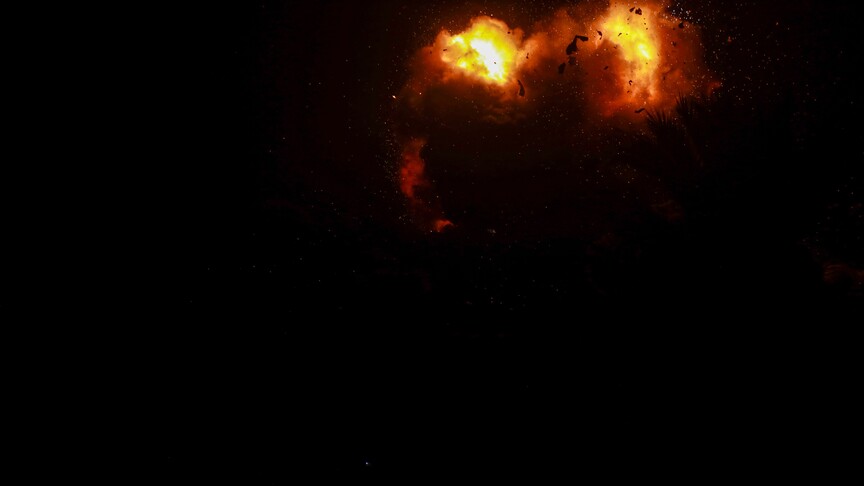
In Israel, official and media indicators and statements are increasing regarding preparations for a possible new escalation against Iran, amid raising the military alert level and anticipation of developments related to the ongoing confrontations between Tehran and Washington.
The Israeli Public Broadcasting Corporation reported on Thursday that Prime Minister Benjamin Netanyahu will hold a meeting of the security cabinet (the cabinet) on Friday to discuss preparations amid what the corporation described as a 'potential escalation' over the weekend.
Hebrew media widely discussed the prospects of the regional confrontation developing, noting that the Israeli security establishment has raised its level of readiness in anticipation of any rapid field developments.
Israeli Defense Minister Israel Katz said during security consultations, details of which were reported by the Hebrew newspaper Yedioth Ahronoth, that Israel is 'ready for all possibilities.'
He added that Iran 'will receive a severe blow' if it launches an attack against Israel.
For his part, Israeli Energy Minister Eli Cohen called for readiness for various possible scenarios in the region.
In an interview with Israeli Army Radio, he said: 'We see what is happening in the region; the United States is attacking Tehran, and Iran is attacking countries in the region, and this requires vigilance and raising the alert level.'
He added: 'If Iran acts against Israel, we will respond forcefully, and we have significant intelligence and offensive capabilities.'
** Israeli and Western Assessments
Alongside official statements, the newspaper Yedioth Ahronoth quoted what it said were 'Western intelligence experts' as assessing that Iran may try to expand the circle of confrontation and drag Israel into the ongoing conflict.
According to the newspaper, these assessments are based on what it described as an Iranian belief that there are differences between Washington and Tel Aviv regarding crisis management, which Tehran may seek to exploit.
In remarks that sparked widespread controversy in Israel, MK from the ruling Likud party, Moshe Saada, said in an interview with Channel 14 that Israel 'is preparing to launch an attack on Iran, possibly as early as this weekend.'
However, the Likud party and Israeli officials quickly downplayed the significance of these remarks, considering them 'personal assessments' not based on official information.
Yedioth Ahronoth quoted Israeli officials as saying that Saada did not participate in any security consultations, and his remarks were based on media reports, while the office of Prime Minister Benjamin Netanyahu expressed displeasure with his statements.
** Linking Developments to Trump's Position
In an assessment published by the same newspaper, it indicated that Israel is closely monitoring the course of the crisis but links any major developments to the American position.
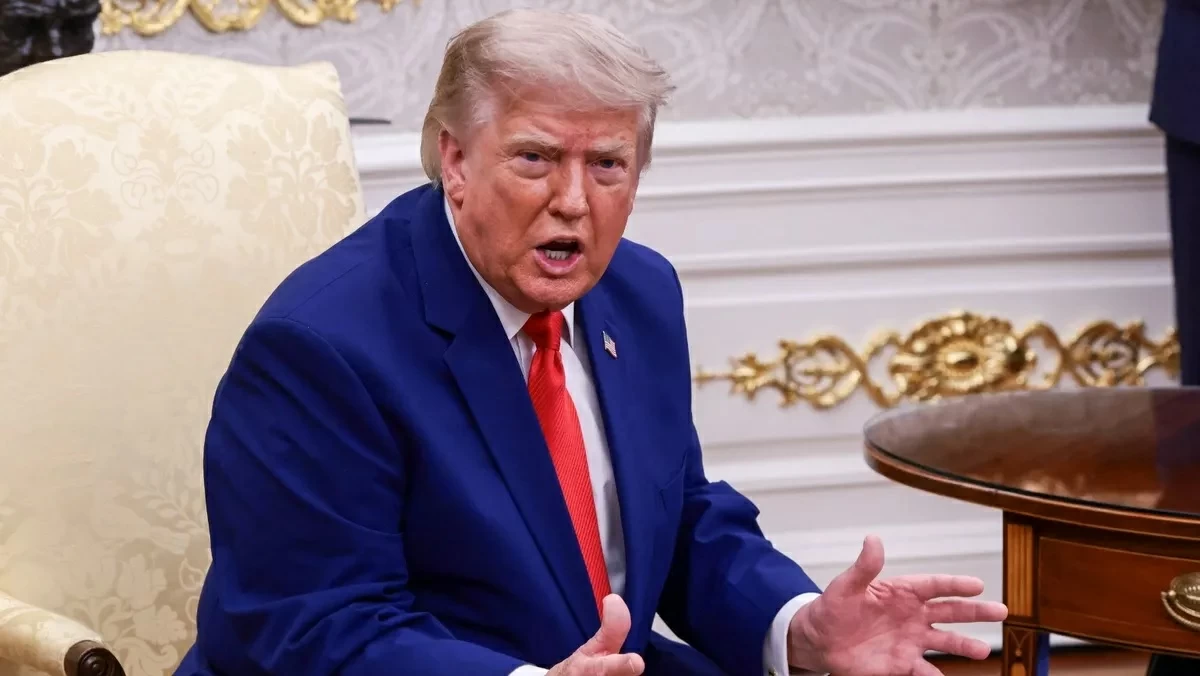
It quoted an unnamed Israeli official as saying, 'The key to developments in the coming days remains with US President Donald Trump.'
He pointed out that the US administration continues to pressure Iran by hinting at military escalation, alongside attempts to push it back to negotiations.
The official added that Israeli assessments indicate that Israel will not engage in any attack unless it is directly attacked by Iran, although there are possibilities that Washington may request Israeli support or involvement at a later stage.
** Background of the Current Escalation
The region has been witnessing military escalation between the United States and Iran for about two weeks, following President Trump's announcement on July 8 of the end of the ceasefire stipulated in the memorandum of understanding signed between Washington and Tehran on June 18, 2026.
The US decision came after Washington accused Iran of targeting three commercial ships in the Strait of Hormuz, at a time when Tehran affirms its aim to impose a mechanism to regulate navigation in the sea lane off its coasts, while the United States stresses the need to ensure freedom of navigation and its security.
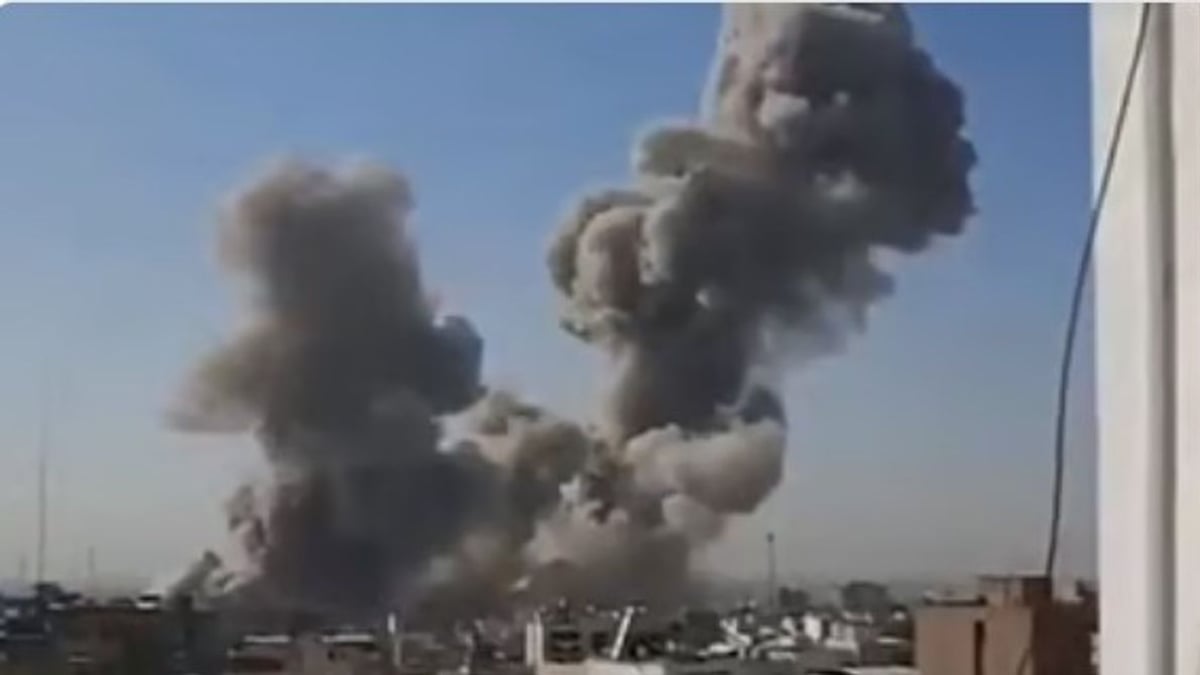
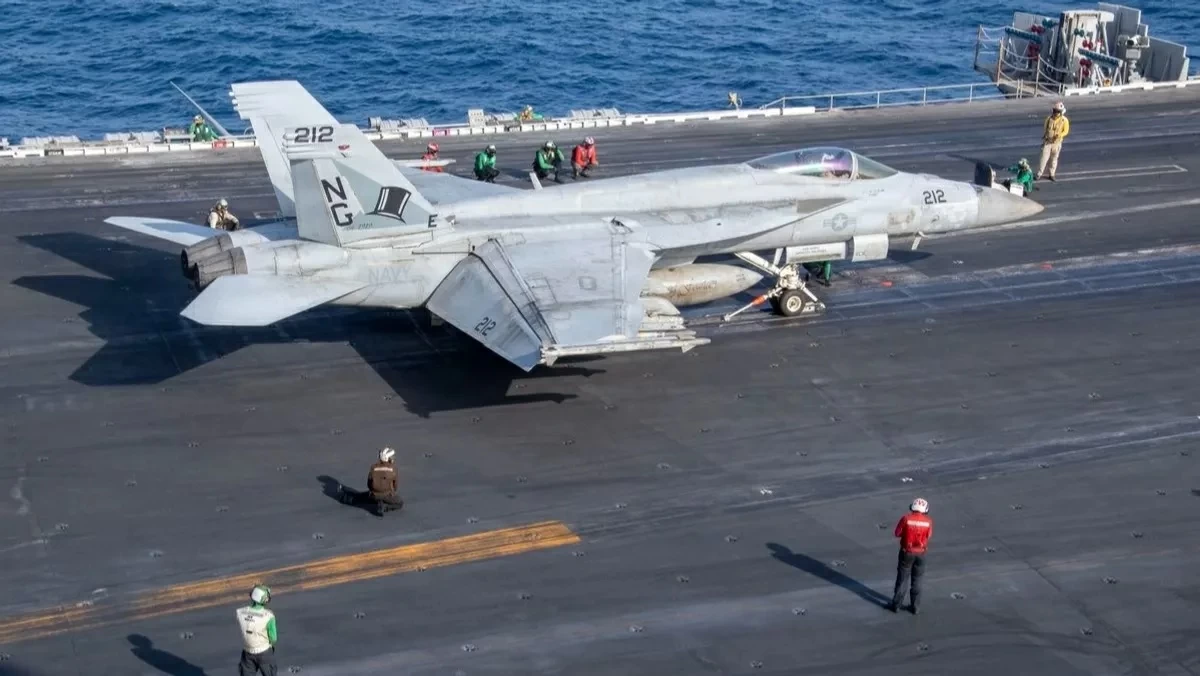
Since then, Washington and Tehran have exchanged attacks; the United States strikes targets inside Iran, while Tehran says it is targeting US military installations and equipment in several countries in the region.
The escalation has disrupted navigation in the Strait of Hormuz, threatened global energy supplies, as well as intermittent closures of airspace and increasing warnings of attacks on US facilities and interests outside the Middle East.
The latest Israeli escalation reflects a state of regional concern, as any military confrontation could expand the scope of the conflict. Washington's position will also be decisive in determining the course of events, especially with Trump's return to the White House. Analysts believe that Israel is seeking to exploit the current period to achieve strategic gains. The question remains about the seriousness of the Israeli threats amid growing international pressure.
Original source: Anadolu Agency



Comments (0)
Be the first to comment.