Tehran: United States seeks to normalize war crimes
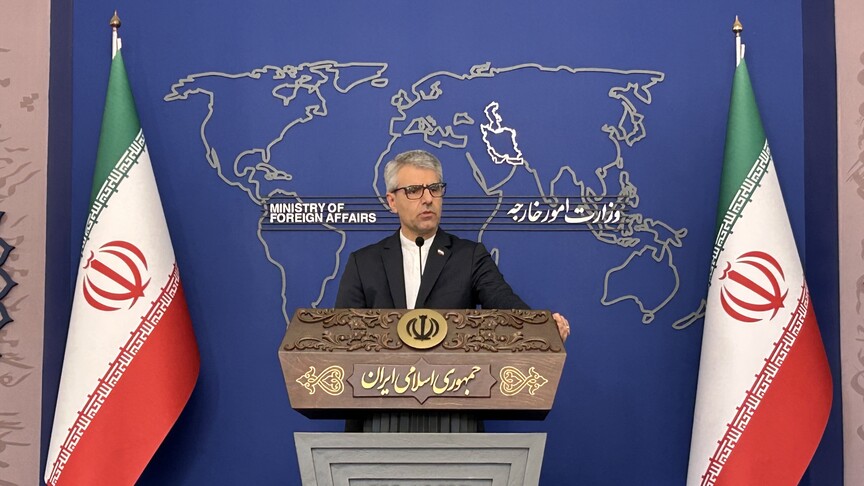
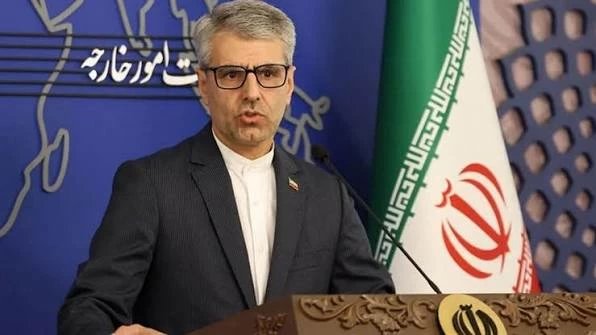
Iranian Foreign Ministry Spokesman Ismail Baghaei pointed out that targeting bridges and power plants is inconsistent with international law.
ISTANBUL/Anadolu
On Thursday, Iranian Foreign Ministry Spokesman Ismail Baghaei accused the U.S. administration of being involved in efforts aimed at turning war crimes into common practices.
These statements come amid ongoing mutual tensions between Washington and Tehran concerning the security of regional navigation and military engagement rules.
According to a statement published by the Iranian Foreign Ministry, Baghaei stressed that no circumstances can justify committing war crimes.
He added that "orders issued by higher (U.S.) authorities do not eliminate criminal responsibility for perpetrators of war crimes."
The Iranian official explained that the U.S. administration is working to undermine the remaining standards of international humanitarian law and ethical norms to serve its military agenda.
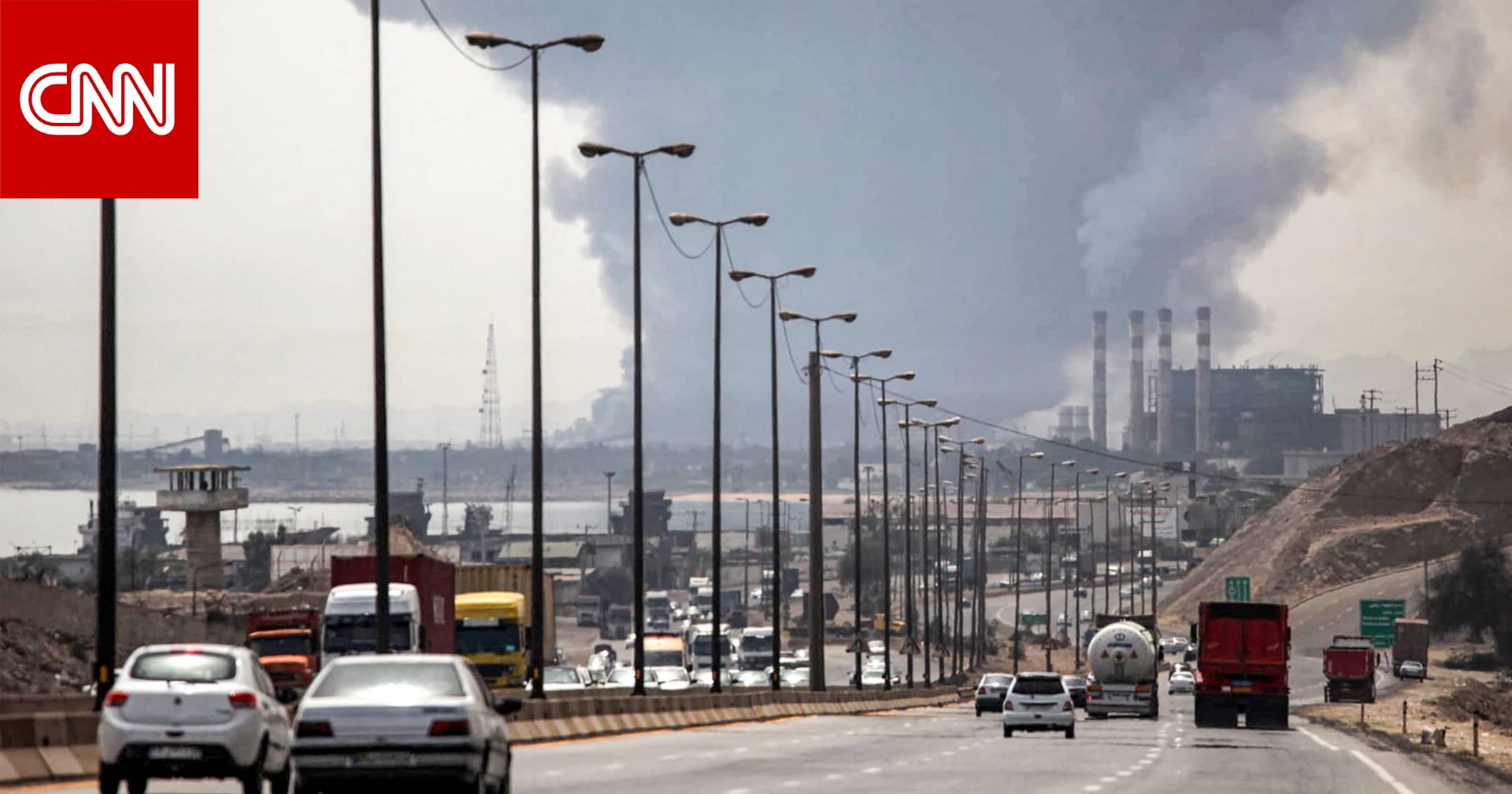
He pointed out that policies targeting civilian infrastructure, such as bridges and power plants, are inconsistent with international law.
He considered such practices as "acts of revenge and collective punishment," noting that they are clearly prohibited as war crimes under international law and U.S. law.
These developments come against the backdrop of recent threats by U.S. President Donald Trump to bomb vital facilities in Iran, such as bridges and power plants, as a measure in response to any targeting of ships or navigation in the Strait of Hormuz.
U.S. President Donald Trump announced on July 8 that the ceasefire stipulated in the memorandum of understanding signed with Iran on June 18 had ended.
These statements reflect the escalation in the diplomatic and legal rhetoric between the two countries, amid growing fears of an expansion of the confrontation and its devastating effects on civilian infrastructure. These discussions gain significant importance in light of mutual threats regarding targeting vital facilities in a sensitive area like the Strait of Hormuz. The commitment of the parties to the rules of international humanitarian law remains under constant test with the developments of field and political events. Observers await the repercussions of these developments on the stability of maritime navigation and regional security in general.
Original source: Anadolu Agency

Comments (0)
Be the first to comment.