Vacations with Tragic Endings: Why Does ‘Drowning’ Top the List of Causes of Tourist Deaths Abroad?
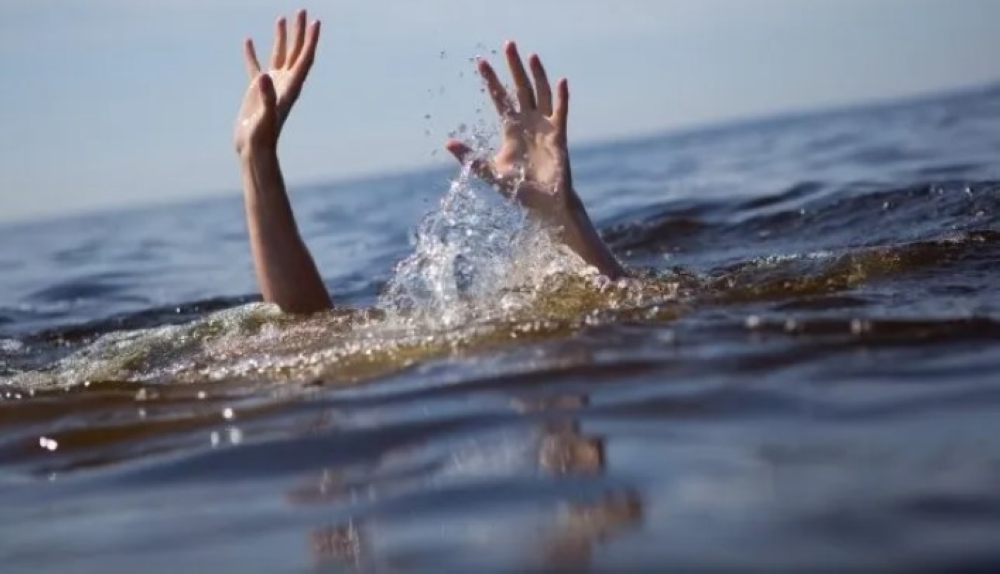
حذر خبراء من تزايد حالات وفاة السياح غرقا في الوجهات الطبيعية بسبب الاستهانة بالتيارات المائية ومخاطر التصوير، مشددين على أهمية الوعي واتباع تعليمات السلامة.
Specialists in law, medicine, and tourism confirmed during their interviews with Al-Youm that the death of a Saudi tourist by drowning in a mountain stream in the Trabzon region of northern Turkey, after being swept away by water while trying to take a souvenir photo, represents a new wake-up call about the importance of promoting a culture of safety in natural sites, and not yielding to reckless adventures or pursuing photos and videos that may end in tragic consequences.
They explained that many drowning incidents in tourist destinations worldwide are not only linked to weak swimming skills but also result from underestimating the strength of water currents, approaching dangerous locations, and failing to heed official warnings, stressing that prior awareness of the nature of the place, respect for safety instructions, and making the right decision in critical moments are all essential factors for preserving lives.
Related News
Legal Responsibilities
Lawyer Mutlaq Al-Tamimi explained that drowning incidents outside the Kingdom raise many legal aspects that are subject to the legislation of the country where the incident occurred, in addition to provisions of private international law, and what insurance policies may provide in terms of coverage, as well as the consular role performed by Saudi embassies. He pointed out that legal liability is not established merely by the occurrence of death, but rather requires determining the cause of the incident, the entity obligated to provide safety measures, proving negligence, and a causal link between this negligence and the death, explaining that liability may fall on the boat operator, the hotel, the tourism company, or the entity supervising the site, if it is proven that there were no warnings, rescue means, or violations in the operation of tourist activities.
Mutlaq Al-Tamimi
He added that official investigations, police reports, coast guard reports, witness testimonies, camera recordings, and weather data are all essential elements in determining liability. Al-Tamimi stressed that the family of the deceased has the right to request a criminal investigation, obtain official and medical reports, and file a civil lawsuit before the judiciary in the country where the incident occurred, with the help of a local lawyer, explaining that potential compensation may include treatment expenses, transport of the body, financial damages suffered by dependents, in addition to moral damages, depending on the circumstances of each case. He also pointed out that the role of the Saudi embassy is limited to consular aspects, through coordination with local authorities, following up on death certification procedures, extracting documents, and assisting in transporting the body, without having a role in adjudicating judicial claims or compensations. He indicated that travel insurance may cover accidental death, medical evacuation, or repatriation of the body, but coverage varies from one policy to another, and may exclude some activities or cases of violating safety instructions, calling for reviewing the terms of the insurance policy before travel.
Mountain Rivers Are No Less Dangerous than Seas
For his part, family and community medicine consultant Dr. Mohammed Bakr Qandieh explained that the common belief that mountain streams or narrow rivers are less dangerous than seas is one of the most widespread misconceptions, noting that these sites may be more dangerous due to fast currents, difficulty in estimating water depth, rocky terrain, and sudden slips. He stressed that the most important safety rules are not to descend into riverbeds, streams, or areas adjacent to strong currents, because water can sweep a person away within seconds, even if they are standing in an area that seems safe. He added that the risk of accidents doubles for people who cannot swim or lack experience dealing with aquatic environments, emphasizing that adhering to warnings and not approaching dangerous locations represent the first line of defense for prevention. Social media drives some to take risks.
Mohammed Bakr Qandieh
In turn, psychiatry consultant Dr. Mohammed Ijaz Brasha stressed that swimming proficiency does not give a person complete immunity from drowning, as there are natural factors that can overcome even professional swimmers, such as strong currents, sudden drops in water temperature, slippery rocks, and rapid changes in depth. He pointed out that social media platforms have pushed some people to risk their lives to capture an exceptional photo or video, noting that many recorded incidents worldwide have been linked to attempts to take pictures in high places or near waterfalls and rivers, without considering safety requirements. He emphasized the importance of the family's role in instilling a culture of prevention in children and adolescents, teaching them to respect warning signs and not to approach dangerous locations, stressing that preserving life should always remain a priority over any photo or exceptional experience.
Mohammed Brasha
Children Are More Vulnerable to Danger
Meanwhile, pediatric consultant Dr. Nasruddin Al-Sharif confirmed that children and people who are not strong swimmers should not approach seas, rivers, or open water bodies without direct supervision and appropriate protective measures. He explained that many accidents occur as a result of overconfidence or the belief that seemingly calm waters pose no danger, while water currents can pull a person in moments, making rescue operations difficult. He stressed that promoting a culture of prevention, adhering to directional signs, and not crossing barriers or restricted areas are all essential steps to reduce the recurrence of drowning incidents in tourist destinations.
Nasruddin Al-Sharif
Tourism for Pleasure, Not for Risk-Taking
Tourist guide Marwa Saidi said that travel has become a human experience in which the traveler seeks to create memories, but this experience can turn into a tragedy in an instant when the love of adventure or the desire to take a distinctive photo overcomes safety rules. She added that social media has encouraged some people to seek more exciting photos in extremely dangerous places, noting that the most beautiful trips are those from which the traveler returns safely to their family, not turning into painful news circulated by the media. She called for good trip planning, learning about the nature of the destination, monitoring weather conditions, adhering to the instructions of the competent authorities, and not imitating adventures that spread on digital platforms.
Marwa Saidi
Demands for Warning Signs in Arabic
For his part, tourism and travel expert Khaled Bawazir called for not turning tourist trips into risky adventures, stressing that most accident victims did not expect them to happen despite their experience. He warned against practicing adventure sports without specialized companies and accredited trainers, and against walking on mountain trails during rain due to the possibilities of landslides, floods, lightning, and reptiles emerging, and he also stressed the need not to leave children near lakes and natural ponds without supervision. He demanded the installation of warning signs in multiple languages, foremost Arabic, at lakes, rivers, and waterfalls frequented by Gulf and Arab tourists heavily, to help raise awareness and reduce accidents.
Khaled Bawazir
Five Tips for Travelers
Original source: Al-Yaum



Comments (0)
Be the first to comment.