Iraq Recalculates: Partnership with Washington and Red Lines with Tehran

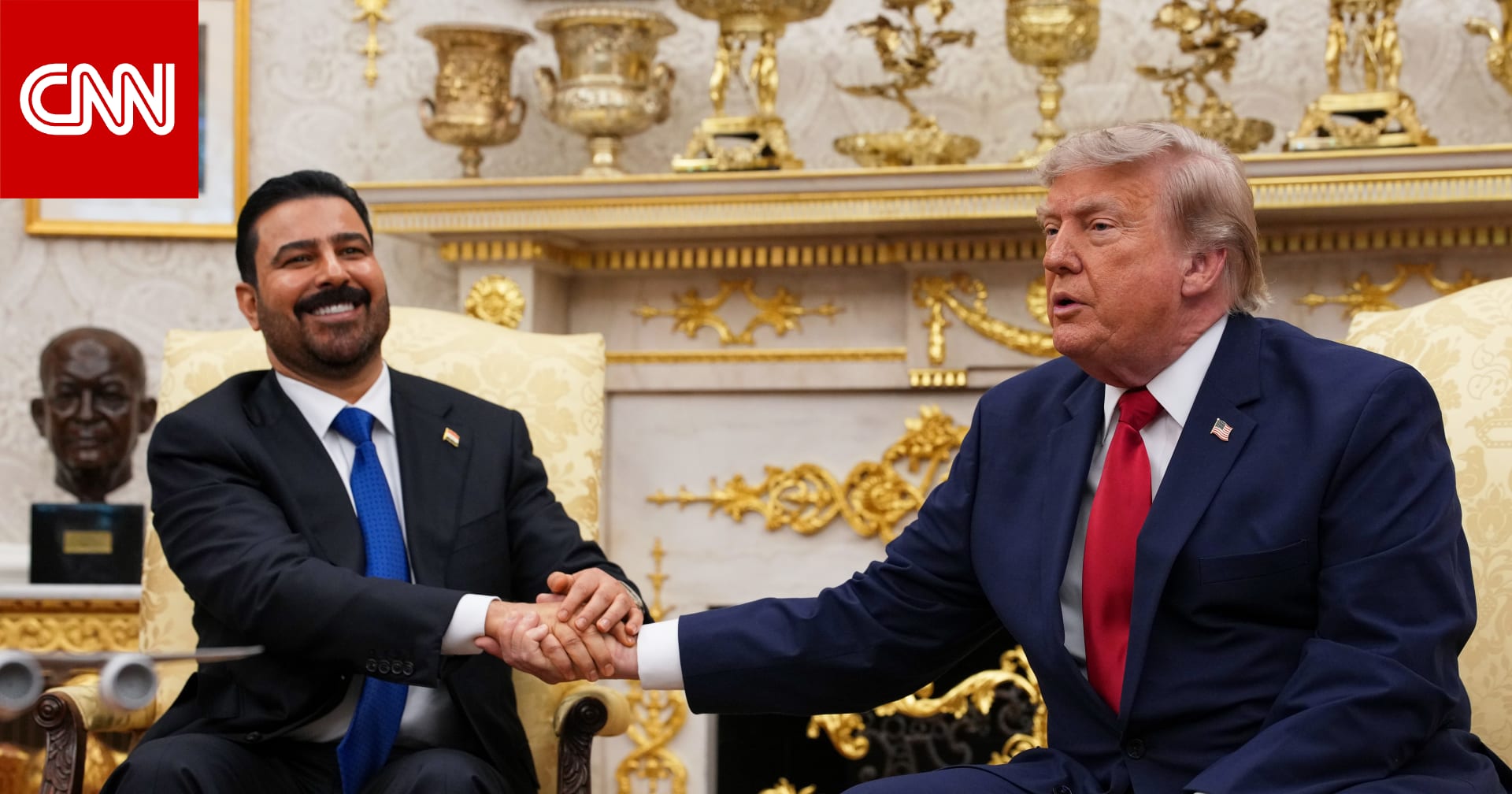
Amid the unprecedented escalation in the region, and following sharp Iranian criticism of Iraqi Prime Minister Ali al-Zaidi after his recent visit to Washington, Iraqi government spokesman Haider al-Aboudi explained in an interview with 'Studio One with Fadila' on Sky News Arabia the motives behind the rapprochement with Washington and the background of this approach.
Al-Aboudi began his remarks by stressing that Prime Minister Ali al-Zaidi's choice of Washington as the first stop on his foreign tours since the formation of the government was not arbitrary, but rather a reflection of the sensitivity of the geopolitical phase the region is going through, and an expression of an Iraqi aware reading of the accelerating course of events regionally and internationally.
He explained that Iraq, like other countries in the region and the world, has recalculated its priorities to ensure its economic interests, turning to the United States as a strategic partner at this delicate stage in the history of bilateral relations.
Al-Aboudi precisely defined the nature of the transformation in the bilateral relationship, stressing that the two sides have redefined this partnership to open 'a new phase and a new chapter,' after the relationship over the past two decades was based on the security aspect.
According to al-Aboudi, the relationship between Washington and Baghdad is based on the economic axis; the economy is the 'engine' and 'lever' that ensures the sustainability and stability of the partnership between the two countries in the future, based on common interests.
Hormuz Disrupts Calculations: Baghdad Seeks Alternative Routes
Al-Aboudi did not hide Iraqi concern over what he described as the 'predicament' that the Strait of Hormuz has become for the national economy, after it was for decades the main corridor for Iraqi oil exports and the primary source of its sovereign revenues.
He noted that this new reality imposes on Baghdad, naturally and urgently, the search for new routes to secure these revenues and ensure their continued flow, placing the strait crisis at the heart of the economic calculations that have driven Iraq to expand its international partnerships and diversify its export routes away from the current geopolitical bottleneck.
Related News
Between Tehran and Ankara: Iraq Balances, Does Not Take Sides
In the context of his remarks about the place of regional relations in this approach toward Washington, al-Aboudi stressed that Iraq relies on 'balanced relations' with neighboring and regional countries in general, while simultaneously adopting the strengthening of its relations with influential international powers, foremost among them the United States.
Al-Aboudi reminded that Iraq shares direct borders with six countries, including Iran and Turkey, which explains, according to him, the upcoming visits of Prime Minister al-Zaidi to Tehran and Ankara.
Al-Aboudi revealed that al-Zaidi's visit to Tehran will take place at the end of this week, specifically next Thursday, with the agenda led by the file of the privacy of bilateral relations and trade exchange, in addition to aspects related to the regional scene that 'has been casting instability for months due to the ongoing war.'
Al-Aboudi affirmed that the importance of the Tehran visit lies in Iraq being an 'effective and reliable partner' in terms of non-interference in the affairs of states, and that it 'does not allow any country to be targeted from its territory.'
He continued, saying that al-Zaidi's government will be in Tehran next Thursday seeking more supportive atmospheres for the stability of the region, along with what serves Iraqi interests and common interests with both sides.
Regarding Baghdad's hosting of international figures, al-Aboudi explained that the Iraqi government does not hide, if this type of hosting is proposed, that it sees the Iraqi capital as a positive table to give supportive momentum for the continuation of calm and achieving understandings between Baghdad and Tehran.
He stressed that Iraq, if asked, will be fully prepared to do its part, as part of an unstable geography whose economy is also affected by this war and the lack of clarity about its end, affirming that the Iraqi government 'will not hide anything in this file.'
Original source: Sky News Arabia



Comments (0)
Be the first to comment.