Iran: US Army Movements and Equipment Under Surveillance
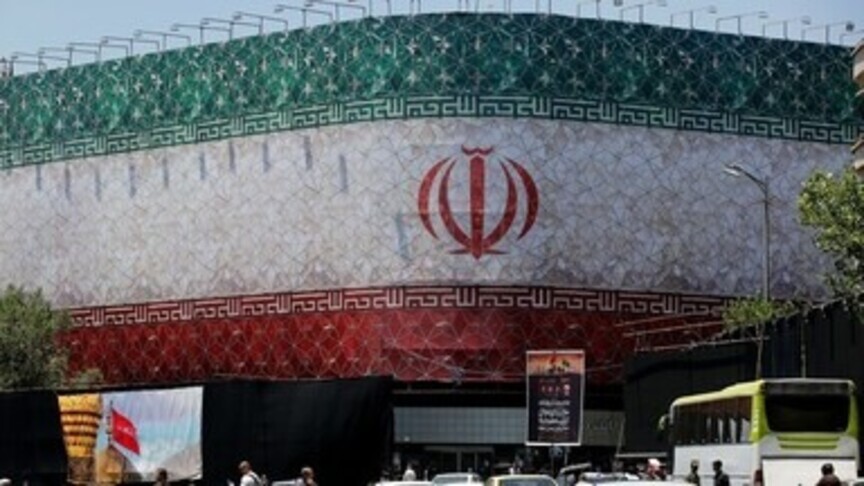
According to a statement issued by the Navy Command of the Islamic Revolutionary Guard Corps regarding the movements of the US Army in the waters of the region
Tehran / Anadolu
The Navy Command of Iran's Islamic Revolutionary Guard Corps announced that all movements and equipment of the US Army in the region are subject to continuous monitoring and tracking.
These statements come amid rising tensions between Tehran and Washington since the collapse of the ceasefire agreement.
This was stated in a statement issued by the Navy Command of the Revolutionary Guards on Friday regarding the movements of the US Army in the waters of the region.
The statement said, "All movements and equipment of the terrorist US Army are subject to monitoring, surveillance, and tracking."
The statement considered that the Americans are approaching the point of no return through the operations of the Central Command in the waters of the region.
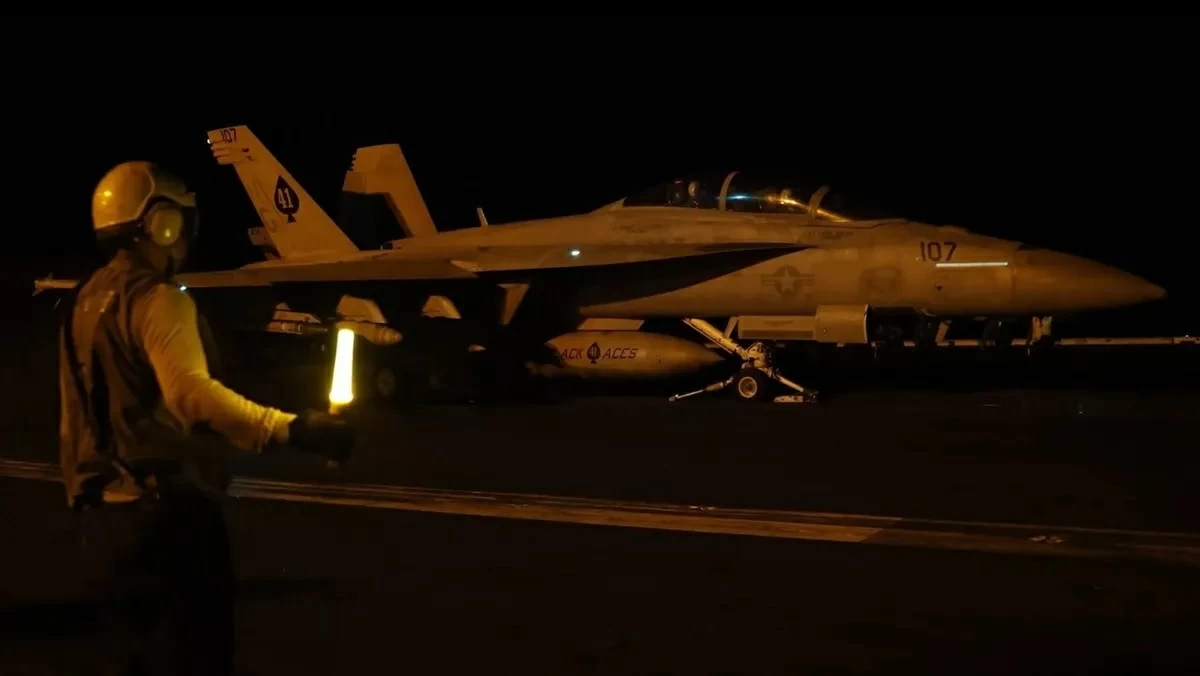
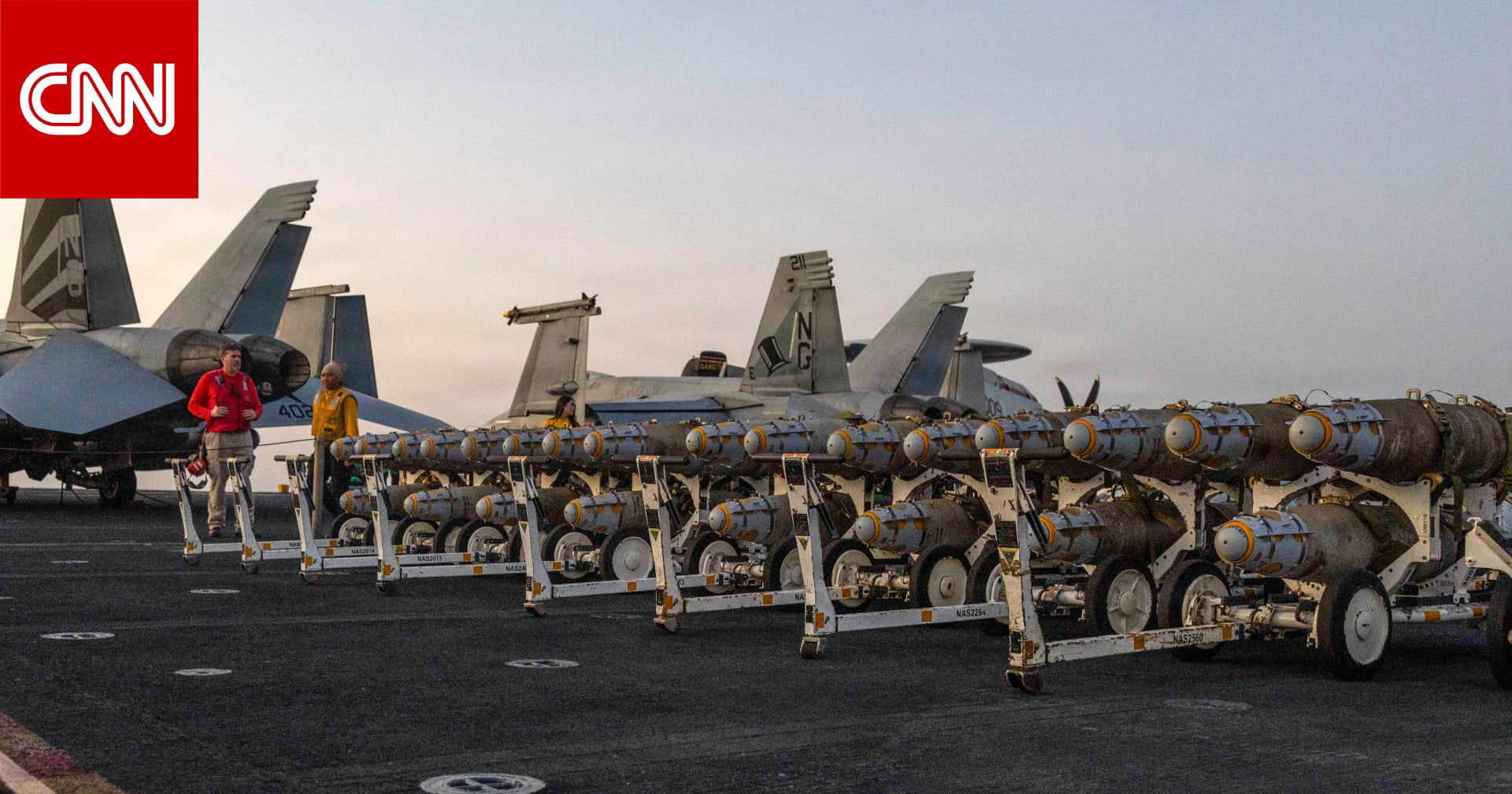
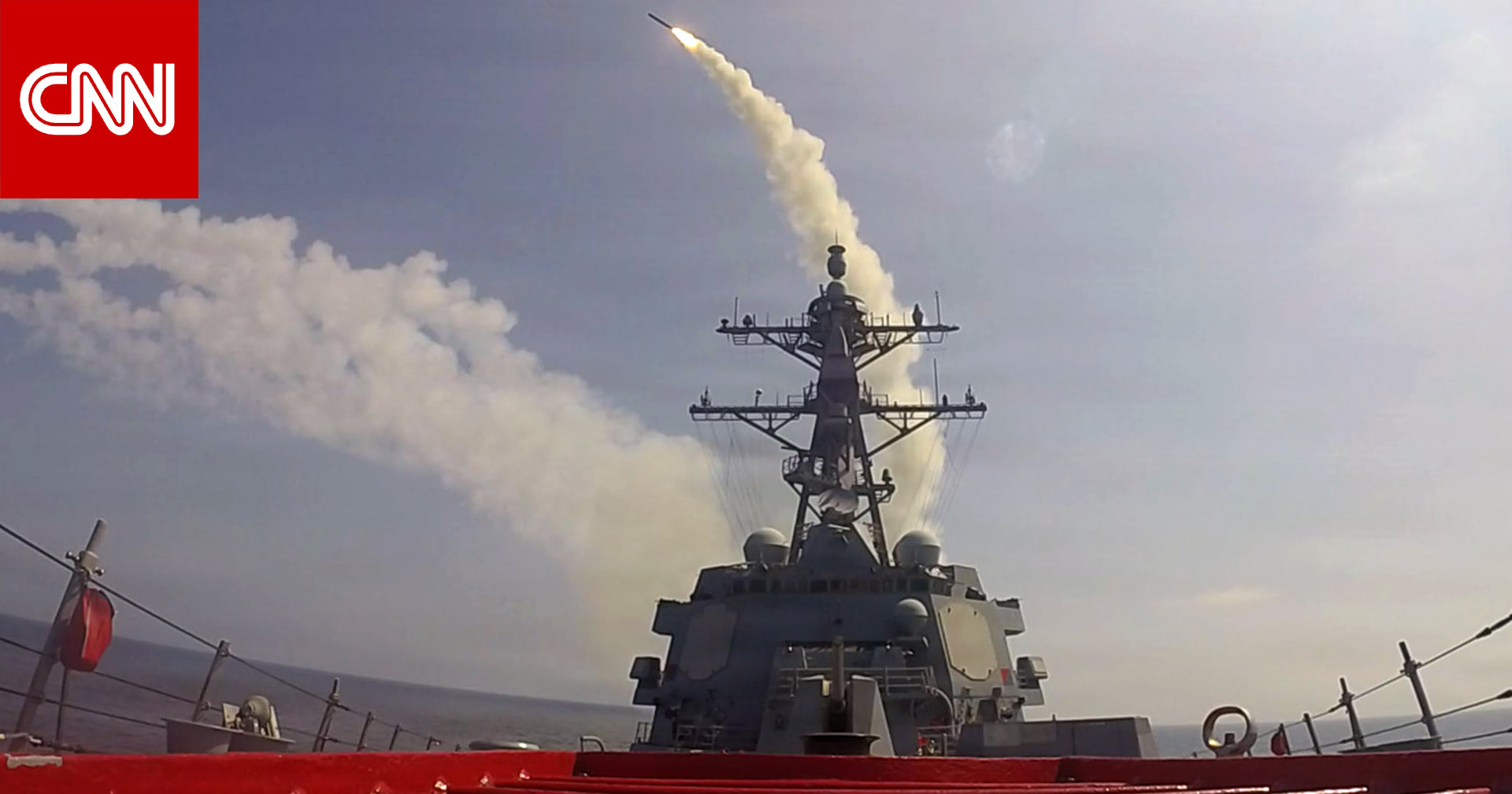
On Thursday, the US Central Command 'CENTCOM' announced that it had completed a new wave of strikes on Iran.
For days, the United States has been carrying out attacks on multiple Iranian areas, while Tehran retaliates by bombing what it describes as American targets in the region.
On June 18 last, Washington and Tehran signed a memorandum of understanding that included a ceasefire and began negotiations mediated by Pakistan and Qatar to end the war launched by the United States and Israel on Iran on February 28 last.
However, U.S. President Donald Trump announced on July 8 this year the end of the ceasefire following renewed escalation, after Iran, a day earlier, attacked 3 ships while crossing the Strait of Hormuz, claiming they had not adhered to the navigation route it had set, and Washington responded by launching attacks on sites inside Iran.
Washington supports the passage of commercial ships through the Strait of Hormuz along a route different from the one set by Iran, which Tehran rejects, stressing that it targets any ship that does not coordinate with it before crossing the strategic strait for global energy supplies.
Developments indicate that the military confrontation between the two countries has entered a new phase, as Washington continues its strikes while Iran responds with its operations. Observers believe that the Strait of Hormuz remains a major flashpoint affecting global energy security, amid each side's insistence on imposing its own navigation route.
Original source: Anadolu Agency

Comments (0)
Be the first to comment.